
Türkiye
Turkey is a unique country located at the exact intersection of Asia and Europe, built upon thousands of years of history. The lands of Anatolia have hosted dozens of civilizations, from the Hittites to the Romans, Byzan…


When to Visit Turkey?
Since different regions of Turkey have very different climatic conditions, it is very important to consider where you are going when planning your visit.
Spring (April–May) and autumn (September–October) are the most ideal periods to visit most of the country. The weather is neither scorching hot nor cold; tourist attractions are quieter compared to the summer months, and prices are more reasonable. Visiting Istanbul, Cappadocia, and the Aegean coasts during these periods will be the most suitable choice in terms of both comfort and experience.
Summer months (June–August) are perfect for the Aegean and Mediterranean coasts; however, temperatures in Istanbul and inner Anatolia can become oppressive. For those planning a beach holiday, Bodrum, Antalya, and Çeşme experience their liveliest period during this time. Winter (December–February) offers an attractive option for ski resorts like Uludağ and Palandöken; the winter months can also be an interesting alternative for those who want to see Istanbul away from the crowds.
The Black Sea coasts are rainy and green throughout the year; the summer months are more suitable for visiting this region. In Eastern Anatolia, winters are quite harsh, so summer and early autumn should be preferred to explore this region.
Turkey Visa and Passport Information
Entry requirements for Turkey vary depending on the visitor's nationality. Turkey has signed visa-free entry agreements with many countries. Citizens of European Union member countries, passport holders from Japan, South Korea, and many Latin American countries can travel visa-free for a certain period.
For citizens of countries without visa-free entry rights, Turkey offers a practical e-Visa system. You can obtain a visa online by applying at evts.gov.tr before your trip. The process usually takes between a few minutes and a few hours. Citizens of some countries can also obtain a visa at airport gates; however, it is recommended to confirm the current status of this application with the relevant Turkish embassy before your trip.
Your passport must be valid for at least six months from your date of entry into Turkey. Foreign nationals entering Turkey visa-free or with an e-Visa can generally stay in the country for up to 90 days; however, this period may vary depending on nationality. For current and definitive information, checking the official website of the Ministry of Foreign Affairs of the Republic of Turkey will be the most reliable way.
How to Get to Turkey?
The most common and practical way to reach Turkey is by air travel. Istanbul Airport is one of the largest and busiest airports in Europe, offering direct connections from all over the world. Sabiha Gökçen Airport, located on the Anatolian side of Istanbul, is a second gateway particularly favored by low-cost airlines. Ankara Esenboğa, Izmir Adnan Menderes, Antalya, and Bodrum Milas airports also offer important alternatives for international flights.
Turkish Airlines is among the airlines that fly to the most countries in the world and offers very competitive prices for connecting flights via Istanbul. Pegasus Airlines is a good option especially for low-cost travelers coming from Europe.
Entry to Turkey by road is possible via the border gates with Bulgaria and Greece. Visitors coming by car or bus from Europe can use this route. By sea, ferry services operate between the Greek islands and Turkey's Aegean coasts; it is possible to cross from Rhodes to Marmaris, and from Kos to Bodrum. Keep in mind that these ferry services operate more frequently during peak seasons.
Transportation within Turkey
Turkey's internal transportation network is quite developed and offers options suitable for different budgets. For intercity travel, buses remain the most common and economical choice. Companies like Kamil Koç, Metro Turizm, and Pamukkale operate comfortable services connecting every corner of the country. For long-distance journeys, overnight buses are advantageous in terms of both time and accommodation costs.
Domestic flights are a practical solution for quickly covering the vast geography. The distance between Istanbul and eastern cities can be covered much faster by plane. Turkish Airlines and Pegasus operate an extensive domestic network.
High-speed train lines serve the Ankara–Istanbul, Ankara–Konya, and Ankara–Izmir routes. These comfortable and punctual services have become a popular choice, especially between Ankara and Istanbul. For urban transportation, Istanbul's metro, tram, and ferry network is quite extensive; access to all public transport vehicles can be provided with an Istanbulkart. Metro and bus systems are also available in other major cities. The option of a rental car is ideal for exploring regions where public transport is insufficient, such as Cappadocia, the Aegean coasts, and the Black Sea.
Currency and Exchange
The official currency of Turkey is the Turkish Lira (TRY). In large cities and tourist areas, foreign currencies such as Euro and Dollar are also accepted; however, the exchange rate when paying is usually lower compared to exchange offices. Therefore, using the local currency is always more advantageous.
For currency exchange, exchange offices offer the best rates; exchange points at airports and hotels usually operate with disadvantageous rates. ATMs are widespread throughout the country, and it is possible to withdraw money with foreign cards; however, keep in mind that transaction fees may apply. Credit card use is common in large shopping centers, restaurants, and hotels; it will be practical to carry cash for small businesses and market stalls.
Turkey's exchange rates can fluctuate from time to time; therefore, it is recommended to follow the current rate before your trip and plan your budget accordingly. In general, Turkey remains an affordable destination compared to many European countries; accommodation, food and drink, and transportation expenses can be significantly lower than Western European standards.
Where to Stay in Turkey?
Turkey offers a wide range of accommodation options to suit every budget and taste. In Istanbul, you can find boutique hotels and guesthouses in the historical peninsula, and luxury chain hotels along the Bosphorus. Sultanahmet and Beyoğlu are the most popular districts for those who want to stay in the heart of the city and be within walking distance of historical sites.
In Cappadocia, cave hotels offer an immersive experience of the region's unique atmosphere; as these types of accommodation are highly sought after, it is recommended to book in advance. Along the Aegean and Mediterranean coasts, there is a wide selection ranging from guesthouses suitable for every budget to large all-inclusive holiday villages. Boutique hotels and villas are particularly popular in destinations like Bodrum and Çeşme.
For budget travelers, hostels can be easily found in large cities and tourist towns. Guesthouses (pansiyon), especially in small towns, offer both an economical and valuable experience for getting to know the local culture up close. During peak seasons, especially in July–August and during public holidays, accommodation prices significantly increase, and occupancy rates rise; early booking provides a great advantage during these periods.
What to Eat in Turkey?
Turkish cuisine is considered one of the richest and most diverse cuisines in the world. Carrying the traces of different civilizations for centuries, this cuisine offers an extremely generous table in terms of meat dishes, olive oil vegetable dishes, pastries, and desserts.
Breakfast in Turkey is like a ritual. Consisting of cheese, olives, tomatoes, cucumbers, eggs, honey, clotted cream, and various breads, the Turkish breakfast can be considered a meal in itself. For lunch and dinner, kebab varieties stand out; Adana kebab, shish kebab, and döner are among the most well-known. However, Turkish cuisine is not just about kebabs: the meze culture, olive oil stuffed vegetables, lentil soup, mantı, lahmacun, and pide are also indispensable parts of the table.
In terms of desserts, Turkey can truly be considered a paradise. Baklava, künefe, sütlaç, and lokum are the most famous sweets, but each region has its own unique desserts. As for drinks, tea is an integral part of daily life; Turkish coffee is both a beverage and a cultural experience. While international cuisines can be found in large cities, it is recommended to head to local restaurants and markets for the most authentic flavors.
Culture and Traditions
As Turkey is located in a cultural geography where East meets West, social life reflects this diversity. Although the vast majority of the population is Muslim, Turkey is a secular republic; this ensures the coexistence of modern and traditional values in social life.
Hospitality holds deep meaning in Turkish culture. When invited to a home, it is polite to bring a small gift and not to refuse the tea or coffee offered by the host. When visiting mosques, you are expected to cover your head and remove your shoes; for female visitors, covering their shoulders and knees is also considered a sign of respect.
During the month of Ramadan, being sensitive about eating and drinking during daylight hours, especially in more conservative regions, supports social harmony. Bargaining culture is still common in bazaars and covered markets; however, this does not apply to large stores and restaurants. Turks are generally warm and helpful; even if you don't speak a foreign language, communicating with gestures and a smile is usually sufficient.
Safety
Turkey is a country that hosts tens of millions of tourists annually and is generally considered a safe destination. Travel experiences in major tourist centers, coastal towns, and city centers are largely trouble-free. However, as in any country, it is important to adhere to basic travel safety rules.
In crowded tourist areas, especially in Istanbul's historical peninsula and large markets, caution should be exercised against pickpockets. Keeping your valuables secure and carrying your bag in front of you is a simple but effective precaution. When using a taxi, make sure the meter is on; opting for official taxi stands or reliable app-based services offers a healthier experience.
For southeastern regions near the Syrian border, it is recommended to check the current travel advisories of your country's foreign ministry before traveling. In terms of earthquake risk, Turkey is located in a seismically active geography; therefore, knowing the emergency exits in your accommodation is a good habit. Taking out travel insurance is one of the smartest precautions to protect you in case of potential health or safety issues.
Must-See Cities and Regions
Istanbul is the undisputed heart of a trip to Turkey. Beyond icons like Hagia Sophia, Topkapi Palace, the Grand Bazaar, and a Bosphorus cruise; the vibrant streets of Beyoğlu, the art galleries of Karaköy, and the tranquil atmosphere of the Princes' Islands add another layer of depth to the city. It is recommended to allocate at least two or three days for Istanbul.
Cappadocia captivates visitors with its fairy chimneys, underground cities, and rock-cut churches, which cannot be seen anywhere else in the world. A hot air balloon ride at dawn is among the most unforgettable memories for many travelers. Göreme, Ürgüp, and Uçhisar are the prominent settlements in this region.
Ephesus is one of the best-preserved ancient cities in the world and is easily accessible due to its proximity to Izmir. The white travertines of Pamukkale and the ancient city of Hierapolis next to it offer a visually stunning experience. Antalya and its surroundings are an excellent choice for those who want to combine historical ruins with a beach holiday. Bodrum, as one of the most popular holiday destinations in the Aegean, offers both a historical and modern atmosphere. In addition to these, Trabzon and the Black Sea coasts, the stone houses of Mardin, and the unique culinary culture of Gaziantep are valuable destinations waiting to be discovered.
Places to Visit
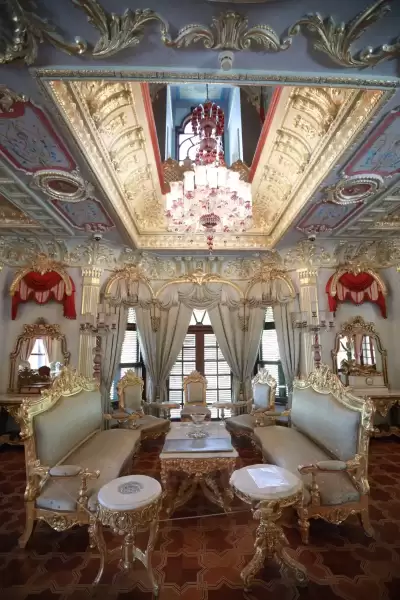
Merik Mansion (Golden Pavilion)
Rising in Ankara Bilkent, Merik Mansion is popularly known as the Golden Pavilion. This spec…

Balıkesir Çamlık Hill
Çamlık Hill, located on an elevation overlooking Balıkesir city center, is a prominent recre…

Cunda Island (Alibey Island)
Cunda Island, part of Ayvalık district in Balıkesir, is one of the Aegean's most unique isla…
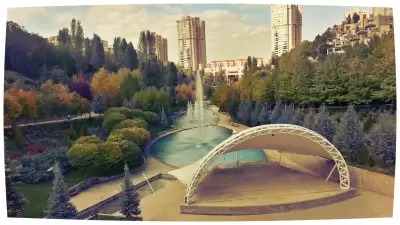
Dikmen Valley
Dikmen Valley, located in Ankara's Çankaya district, is one of the capital's most beloved ur…

Wonderland
Wonderland (Harikalar Diyarı), located in the Sincan district of Ankara, is one of the capit…
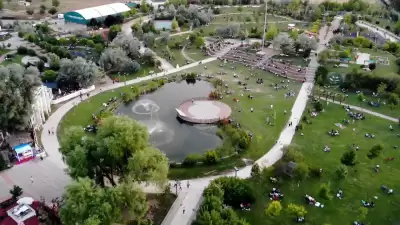
Çansera Urban Garden
Çansera Urban Garden, spanning approximately 90 acres in Ankara's Çukurambar district, is a …

Gölyazı Village
A historic fishing village on the shore of Lake Uluabat, connected to the mainland by a sing…

Uftade Mosque and Tomb
A 16th-century mosque in Bursa's Hisar region, adjacent to the tomb of Uftade Mehmed Muhyidd…