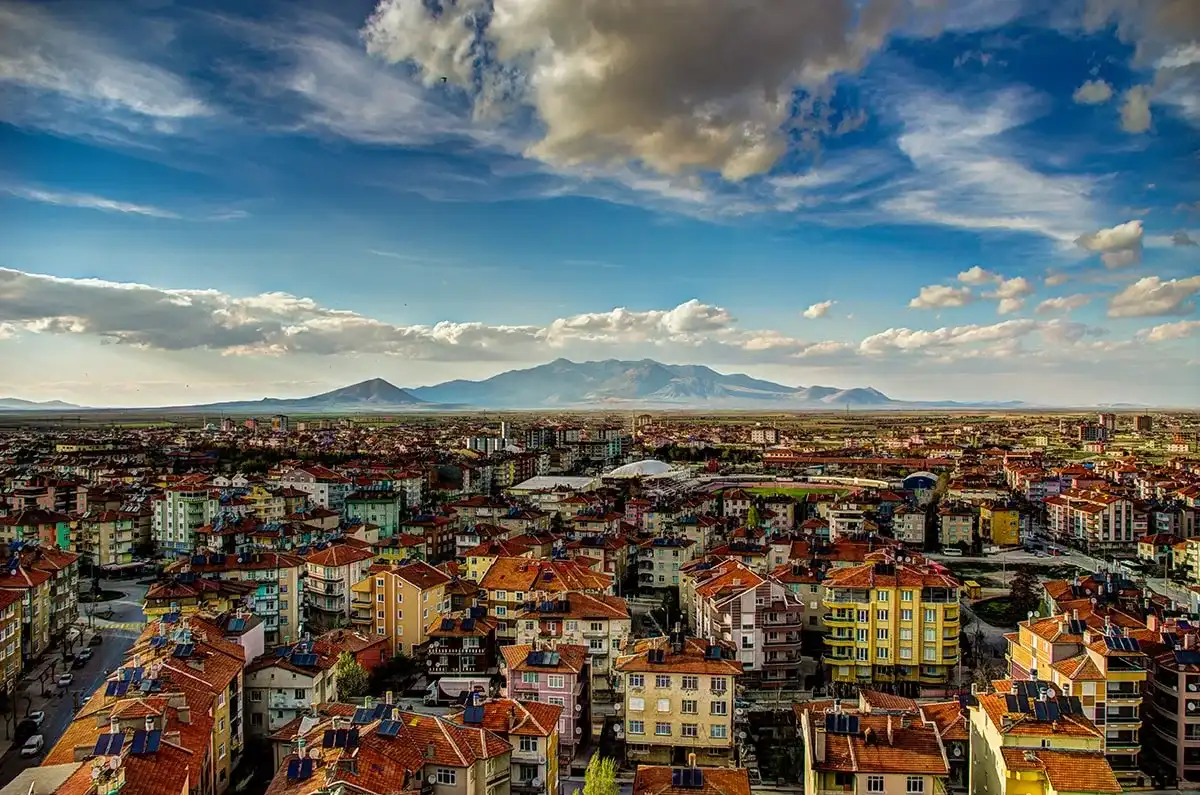
Karaman Places to Visit
Karaman is a city located in the south of the Central Anatolia Region, at the foothills of the Taurus Mountains, with a deep-rooted history and unique natural beauties. Karaman, known as the capital of the Turkish langua…


When to Visit Karaman?
Although Karaman can be visited in all four seasons of the year, the most ideal period is spring and autumn. In April and May, the valleys turn green, the tulip fields around Göksu bloom, and air temperatures are quite suitable for hiking. Especially the tulip gardens, which are open on certain days in April, have become a favorite for photography enthusiasts.
While the city center is hot in summer, high-altitude districts like Ermenek and Başyayla stand out with their coolness. Başyayla is perfect for those who want to enjoy the plateau air in summer. In winter, visitor density decreases; this period can be advantageous for those who want to visit the city's historical sites in a calm atmosphere. The best time for boat tours on Ermenek Dam Lake is early summer to early autumn.
How to Get to Karaman?
By Bus: Daily direct bus services are available to Karaman from many major cities in Turkey. Frequent and regular services are available from neighboring provinces, especially Konya, Mersin, Antalya, and Ankara. Karaman bus terminal is located close to the city center.
By Train: Karaman train station is located in the city center. There is a high-speed train connection via Konya, which makes travel to Karaman both comfortable and economical. Train travel with a transfer in Konya can be preferred from Ankara and Istanbul.
By Road: Reaching Karaman by private car is quite easy. The roads leading to the city, which is approximately 100 km from Konya and 170 km from Mersin, are generally in good condition. A rented or private car provides great convenience for visiting the districts and natural areas.
By Air: Karaman does not have its own airport. The nearest airports are in Konya and Adana. From these airports, Karaman can be reached by road or train.
City Transportation in Karaman
Karaman city center has a compact structure that can be explored on foot. Most of the historical structures such as Karaman Castle, Hatuniye Madrasah, Yunus Emre Mosque, and Aktekke Mosque are located close to each other. Walking is the most enjoyable option for tours in the center.
Municipal buses and minibuses operate within the city. Taxi options are also always available. However, to reach Taşkale, Manazan Caves, Ermenek, and other districts, it is necessary to prefer a private car or a daily tour; public transportation may not always provide direct services to these points. Car rental is possible in the city center and around the bus station.
Places to Visit in Karaman
Karaman Castle: The castle, a symbol of the city, bears traces from different periods of history. Watching the city view from its walls and towers is an experience in itself.
Hatuniye Madrasah: This madrasah from the Karamanoğlu period showcases the stone craftsmanship and architectural elegance of the era. It is located in the city center.
Yunus Emre Mosque and Aktekke Mosque: These mosques, dating back to the Karamanoğlu period, are important stops both architecturally and spiritually.
Taşkale Grain Silos: These silos carved into the rock surface are one of Karaman's most unique photo spots. Taşkale village, with its rock architecture, transports visitors to another era.
Manazan Caves: This area, consisting of natural caves expanded by human hands, is impressive both historically and visually. It is ideal for day trips.
İncesu and Meraspolis Caves: These caves, enchanting with their natural formations, attract caving and nature hiking enthusiasts.
Ermenek and Dam Lake: Taking a boat tour in Ermenek district is a unique opportunity to discover the magnificent view of the valley from the water. Zeyve Market and the surrounding waterfalls are also indispensable points of the Ermenek route.
Güldere Valley (Güldere Gödet): This valley, described as a hidden paradise, is worth seeing especially in spring with its waterfalls and lush nature.
Başyayla: This high-altitude district stands out with its coolness and plateau atmosphere in summer.
What to Eat in Karaman?
Karaman cuisine reflects the simple and satisfying flavors of Anatolia. Among the city's most well-known products is the Karaman apple; you must taste it fresh or dried. It is easily found in local markets and shops.
Karaman sucuk is also one of the city's prominent delicacies. This sucuk, known throughout Turkey for its unique spicy structure, is one of the best gifts to buy from the city. Tahini halva is a favorite for those looking for sweets; it appears with different flavors in various halva shops.
In the restaurants in the city center, you can findetli ekmek (meat bread), tirit, and various kebab types. For breakfast, hot bread from local bakeries and regional cheeses can be preferred. In Ermenek and surrounding villages, small restaurants serving homemade meals offer an authentic dining experience.
Where to Stay in Karaman?
Since Karaman is not a major tourism center, accommodation options are limited, but there are various hotels and guesthouses in the city center. Hotels in the city center are the most practical option for those who want to stay within walking distance of historical sites.
For budget-friendly travelers, affordable guesthouses and apart-hotels are available. Small-scale accommodation facilities are also available in districts like Ermenek. It is advisable to make reservations in advance during the peak season of spring and early summer. For those who want to spend a plateau holiday in Başyayla, village houses and small guesthouses offer options.
Karaman's Historical and Cultural Identity
Karaman is one of the most ancient cities in Anatolian history. The city, which served as the capital of the Karamanolu Beylik, gained a privileged place in Turkish language history when Karamanolu Mehmet Bey declared Turkish the official state language in 1277. For this reason, Karaman holds the title of capital of the Turkish language.
Mevlana Celaleddin-i Rumi spent a part of his youth in Karaman. The tomb of his mother, Mümine Hatun, is located in the city and is an important stop for those who want to follow Mevlana's footsteps. Numerous mosques, madrasahs, and inns from the Karamanolu period in the city showcase the architectural and cultural richness of the era.
Karaman was also mentioned in Evliya Çelebi's Seyahatname (Book of Travels); he wrote complimentary lines for Ermenek and its surroundings. All these historical layers add a palpable depth to the city from the moment you step into it.
Shopping in Karaman
Among the most valuable souvenirs you can take home from Karaman, Karaman sucuk stands out. You can buy fresh sucuk from butcher and delicatessen shops in the city center. Tahini halva varieties are also an ideal option for both yourself and as a gift.
In season, Karaman apples and dried fruit varieties can be found in local markets. In Zeyve Market and surrounding villages, it is possible to find local handicrafts, natural soaps, and traditional woven products. The bazaar area in the city center offers a lively atmosphere for daily shopping. Small shops within the historical texture are worth exploring for those looking for unique and handmade products.
Budget Planning in Karaman
Karaman is a very budget-friendly destination compared to Turkey's major tourism centers. Accommodation, food and drink, and transportation costs are much lower than in big cities. Satisfying meals can be eaten at affordable prices in restaurants in the city center.
Entry to most historical sites such as Karaman Castle and Hatuniye Madrasah is free or for a symbolic fee. Small entrance fees may be charged for cave visits and nature tours. It is useful to research prices in advance for boat tours and guided tours in Ermenek. Generally, you can comfortably explore Karaman with a moderate daily budget.
This content originates from neresigezilir.com.tr and may not be copied without permission.
Places to Visit
No places found for this filter.