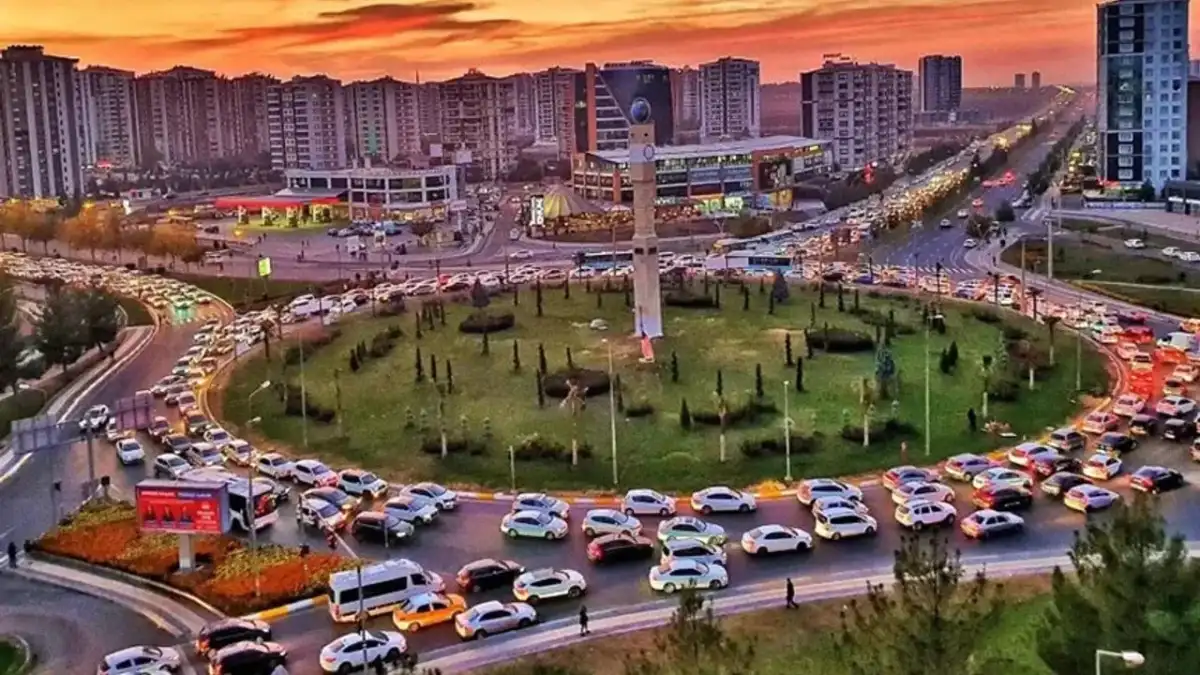
Diyarbakir Places to Visit
Diyarbakır is a city rising in the heart of Mesopotamia, on the banks of the Tigris River, bearing the traces of thousands of years of civilizations. With structures dating back to the Roman, Byzantine, Umayyad, Abbasid,…


When to Visit Diyarbakır?
Diyarbakır shows the harsh face of its continental climate differently in every season. Summers in the city are quite hot, with temperatures sometimes exceeding 40 degrees Celsius in July and August; visiting historical sites during this period can be tiring. Winters are cold and rainy.
The most ideal time to visit is spring and autumn. In April-May, the Hevsel Gardens turn lush green, and walks on the city walls become enjoyable. September and October also offer a much more comfortable experience for travelers in terms of both weather and the general atmosphere of the city. If you prefer the summer months when Diyarbakır watermelon is famous, we recommend starting early in the morning and taking a break in the afternoon.
How to Get to Diyarbakır?
By Plane: Diyarbakır Airport is approximately 10 kilometers from the city center. There are regular flight options from many cities, especially Istanbul, Ankara, and Izmir. You can reach the city center from the airport by taxi or hourly shuttle services.
By Bus: Regular bus services operate from major cities in Turkey to Diyarbakır. A journey from Istanbul takes approximately 18-20 hours. Diyarbakır Bus Terminal is about 8 kilometers from the city center; from there, you can take public transport to the center.
By Car: For those who want to explore Southeastern Anatolia by road, Diyarbakır is located in the center of the GAP region route. Its connections with neighboring cities like Şanlıurfa, Mardin, and Gaziantep are quite good.
City Transportation in Diyarbakır
In Diyarbakır, the backbone of urban transportation consists of municipal buses and private public buses. According to current tariffs, a full ticket costs around 28 TL; student and discounted fares are also available. The best way to explore the historical walled city area is on foot; narrow streets and cobblestone roads make vehicle traffic difficult.
Taxis are easily accessible from all parts of the city. Since important points within the walls are quite close to each other, exploring the historical center on foot is both economical and much more enjoyable. Taxis or private vehicles can be preferred to reach the Hevsel Gardens and the banks of the Tigris River.
Places to Visit in Diyarbakır
Diyarbakır Walls and Goat Bastion (Keçi Burcu): These walls, on the UNESCO World Heritage list, are considered among the best-preserved basalt walls in the world, with a length of approximately 5.5 kilometers. Climbing to the Goat Bastion to see the city and the Tigris Valley from a bird's-eye view will be one of the most unforgettable moments of your visit.
Ulu Camii (Great Mosque): One of the oldest mosques in Anatolia, the Ulu Camii was built in the 11th century and expanded in different periods. With its courtyard fountain and colonnaded porticos, it is an architecturally very impressive structure.
Hevsel Gardens: These historical gardens, stretching along the Tigris River and having hosted more than 30 civilizations, are listed together with the city walls on the UNESCO list. This area, the green lung of the city, is ideal for a peaceful walk.
Four-Legged Minaret (Dört Ayaklı Minare): This unique minaret, which has become a symbol of Diyarbakır, rises on four arches, making it an unparalleled example in Turkish-Islamic architecture.
Church of St. Mary (Meryem Ana Kilisesi): One of the most beautiful proofs of the city's multicultural past, this church is an important place of worship for Syriac Christians and opens its doors to visitors.
Diyarbakır Archaeology Museum: With a wide collection ranging from the Neolithic period to the Ottoman period, the museum is an indispensable stop for those who want to deeply understand the city's history. We recommend confirming current entrance fees with the museum.
İskender Pasha Mansion: This 16th-century structure from the period of Suleiman the Magnificent is among Diyarbakır's most visited historical mansions. It stands out with its traditional stone architecture and courtyard.
Zerzevan Castle: Located approximately 45 kilometers from the city center, this Roman-era castle and Mithras temple offer a special experience for archaeology enthusiasts.
What to Eat in Diyarbakır?
Diyarbakır cuisine harbors some of the richest and most unique flavors of Southeastern Anatolia. It's unthinkable to visit the city without trying liver kebab; this finely chopped and grilled kebab can be found on every street corner in the city.
Stuffed ribs (Kaburga dolması) is a meat dish, especially prepared on special occasions and cooked for hours; you can taste it in the city's traditional restaurants. Meftune is a regional stew where lamb and vegetables are cooked together, and it is an indispensable part of Diyarbakır tables.
In summer, the Diyarbakır watermelon, known as one of the largest and sweetest watermelons in the world, must be tried. In addition to these, stuffed intestines (bumbar dolması), stuffed meatballs (içli köfte), and katmer are also among the city's prominent flavors. Sitting in small shops in the historical bazaars and tasting local snacks with tea is an integral part of the Diyarbakır experience.
Where to Stay in Diyarbakır?
Accommodation options in Diyarbakır span a wide range. Staying within the city walls is the best way to experience the historical atmosphere most intensely; there are boutique hotels and guesthouses in restored stone mansions. Prices for staying in such places can vary, so we recommend making reservations in advance.
In the modern parts of the city, there are chain hotels and comfortable mid-range establishments. For budget travelers, hostel and guesthouse options can also be found within and around the walled city. During peak tourist seasons, especially in spring and early autumn, accommodation occupancy rates can increase, so booking in advance is always safer.
Culture and History of Diyarbakır
Diyarbakır is a city that has hosted dozens of civilizations throughout history. Urartians, Persians, Romans, Byzantines, Arabs, Seljuks, Artuqids, and Ottomans have left their mark on these lands. The city's Kurdish name, Amed, is still widely used today and is an important part of the local identity.
The city's multi-layered cultural structure stems from the coexistence of Muslim, Christian, and Yazidi communities for centuries. The Church of St. Mary, Surp Giragos Armenian Church, and numerous mosques and madrasahs are concrete proofs of this pluralism. Nevruz celebrations are met with great enthusiasm in the city and form an important part of the local people's cultural expression. To understand Diyarbakır, one must observe not only its structures but also this polyphonic culture living in its streets.
Shopping in Diyarbakır
The shopping experience in Diyarbakır is shaped around its historical bazaars. In the Covered Bazaar (Kapalı Çarşı) and the surrounding inns and bedestens, you can find copper craftsmanship, hand-woven fabrics, and local jewelry. Copper pots and decorations are among the city's most characteristic souvenirs.
Local food products can also be counted among the best gifts to take home from Diyarbakır. Dried fruits, spices, molasses, and local cheeses are sold in small shops in the bazaars. Since the bargaining culture is still alive, do not hesitate to politely negotiate prices when shopping.
This content originates from neresigezilir.com.tr and may not be copied without permission.
Places to Visit

Deliller Han
Deliller Han, Diyarbakır's largest historical caravanserai, was built in 1527-28 by the Otto…

Diyarbakır Archaeology Museum
Diyarbakır Archaeology Museum, established in 1934 and located in İçkale, is a well-establis…

Hilar Caves
Located within the borders of Sesverenpınar village in Diyarbakır's Ergani district, Hilar C…

Birkleyn Caves
Located in the Lice district of Diyarbakır, approximately 92 km from the city center, Birkle…

Behram Pasha Mosque
The Behram Pasha Mosque, Diyarbakır's largest and most magnificent Ottoman mosque, was desig…

Melik Ahmet Pasha Mosque
Located in Diyarbakır's Sur district, the Melik Ahmet Pasha Mosque was built between 1587 an…

Nebi Mosque
Nebi Mosque, located at the Dörtyol intersection on Gazi Street in Diyarbakır's Sur district…

Surp Giragos Armenian Church
Located in Diyarbakır's Sur district, Surp Giragos is one of Turkey's largest Armenian churc…

Mesudiye Madrasa
Located within the same complex as the Grand Mosque in Diyarbakır's Sur district, Mesudiye M…

Hazreti Suleyman Mosque
Located within the Inner Castle in Diyarbakır's Sur district, Hazreti Suleyman Mosque is one…

Diyarbakır Grand Mosque
Diyarbakır Grand Mosque became one of Anatolia's first mosques when the Church of Mar Toma w…

Virgin Mary Syriac Ancient Church
Located in Diyarbakır's Sur district, the Virgin Mary Syriac Ancient Church is one of Anatol…

Hasan Pasha Inn
Hasan Pasha Inn, located right in the middle of Diyarbakır's historical bazaar texture, is a…

Dicle Bridge (Ten-Eyed Bridge)
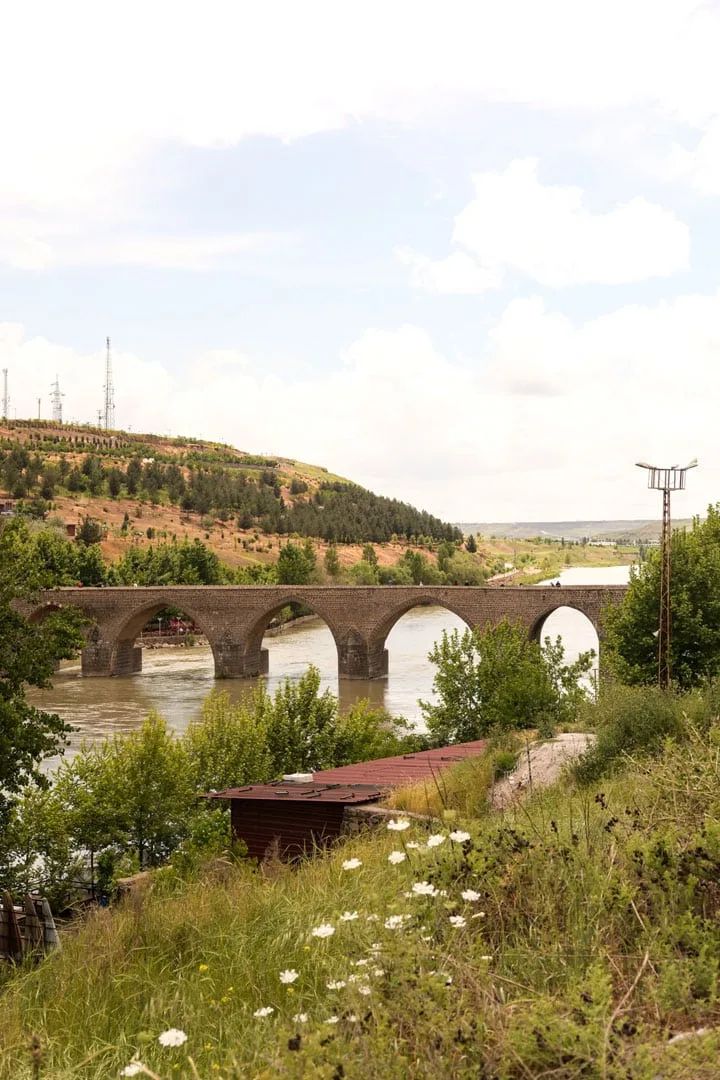
The Ten-Eyed Bridge, standing over the Tigris River 3 kilometers south of Diyarbakır, is a h…

Malabadi Bridge
Rising over the Batman River near Diyarbakır's Silvan district, the Malabadi Bridge holds th…

Sheikh Mutahhar Mosque and Four-Legged Minaret
Built in 1500 by Akkoyunlu Bey Kasım Bey, the Sheikh Mutahhar Mosque is a unique structure i…

Gazi Mansion
Gazi Mansion, located in Diyarbakır's Yenişehir district, is a two-story historical building…

Zerzevan Castle and Mithras Sanctuary
Zerzevan Castle, located in the Çınar district of Diyarbakır, on the Diyarbakır-Mardin highw…

Çermik Thermal Springs
Located in the Çermik district of Diyarbakır, this thermal facility is one of the region's m…

Saint George Church
Located within the İçkale Museum Complex in Diyarbakır's Sur district, Saint George Church i…

Ziya Gökalp Museum
The museum, established in a 19th-century basalt stone mansion where Ziya Gökalp, the founde…

Diyarbakır Fortress and Hevsel Gardens
The basalt walls, a symbol of Diyarbakır, and the 700-hectare Hevsel Gardens stretching to t…

Cahit Sıtkı Tarancı Museum
Located in Diyarbakır's Suriçi district, the historic stone house where the famous poet Cahi…

Fatih Pasha Mosque (Kurşunlu Mosque)
Fatih Pasha Mosque, the first Ottoman work in Diyarbakır, was built between 1516-1520 by Bıy…