Nigde Places to Visit
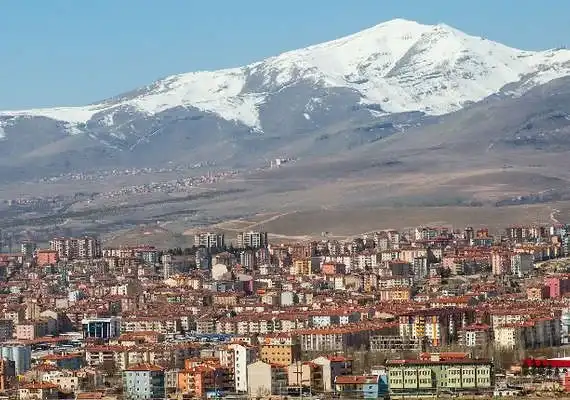
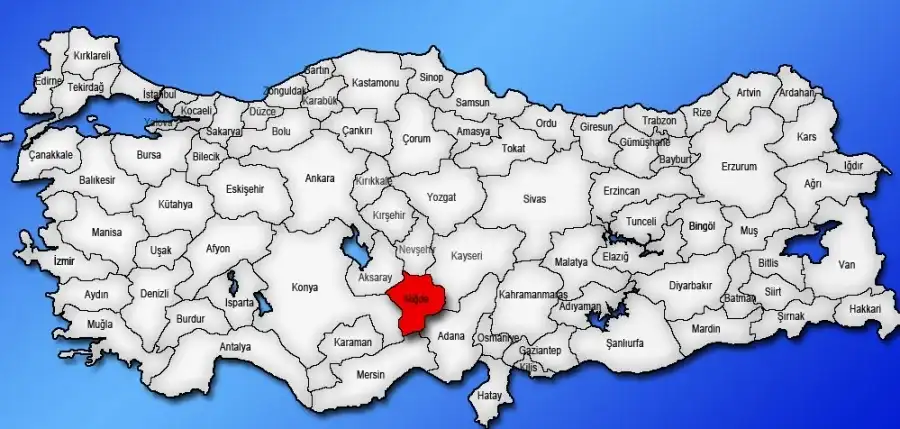
Niğde is a city located in the southern part of the Central Anatolia Region, nestled between the Aladağlar and Melendiz Mountains, approximately 1,229 meters above sea level. This ancient city, a neighbor to Cappadocia, …


When to Visit Niğde?
Niğde, with an altitude of 1,229 meters, has a Central Anatolian climate, showing a different face in each of the four seasons. The ideal time to visit the city is between April-June and September-October. In spring, the mountain slopes bloom with flowers, and the weather is cool and clear; this offers perfect conditions for both visiting historical sites and going on nature walks.
In July and August, the city center can be quite hot; however, the high altitudes of the Aladağlar and Bolkar Mountains have a cool climate. During this period, the season is fully open for those who want to trek and climb. In winter, snowfall is common in the city; historical structures covered in snow gain a different beauty, but it is necessary to check the weather beforehand as mountain roads may close.
Autumn, especially October, becomes a special attraction for photography enthusiasts with the colorful appearance of the Kayardı vineyards and surrounding villages. Generally, Niğde remains outside the peak tourist season, allowing you to explore comfortably without crowds for most of the year.
How to Get to Niğde?
By Bus: The most common way to reach Niğde is by bus. There are regular bus services from major cities like Ankara, Istanbul, Adana, Konya, and Kayseri. It is possible to reach Niğde in approximately 3-3.5 hours from Ankara and 2.5 hours from Adana. Many bus companies operate services on the Niğde route.
By Train: Niğde has a train station. Although there is a train connection to the city on the Ankara-Adana line, the number of services is limited compared to buses. We recommend checking the current schedule and service information on TCDD's official channels.
By Car: For those traveling by road, Niğde is located on the E90 highway, which is on the Ankara-Adana route. It is approximately 290 km from Ankara and 185 km from Adana. The biggest advantage of coming by car is the ease of reaching locations far from the city center, such as Gümüşler Monastery and Tyana.
By Air: The closest airports to Niğde are Kayseri Erkilet Airport (approximately 90 km) and Adana Airport (approximately 180 km). From both airports, you can rent a car or take a bus connection to reach the city.
City Transportation in Niğde
Niğde has a rather compact structure compared to larger cities. Most of the historical sites in the city center are within walking distance. Niğde Castle, Alaeddin Mosque, Ak Medrese, and Niğde Museum are located close to each other; you can easily walk between these points.
Municipal buses serve different neighborhoods of the city. For routes and schedules, we recommend checking the current announcements of Niğde Municipality. Taxis are also a common transportation option within the city, offering an affordable alternative for short distances.
To reach locations outside the city such as Gümüşler Monastery, Tyana Ancient City, and Aladağlar, renting a car or using private tour vehicles is the most practical solution. Especially for those who want to explore Aladağlar National Park, coming with your own vehicle provides great convenience.
Places to Visit in Niğde
Gümüşler Monastery: One of Niğde's most impressive structures, this rock-carved monastery is located approximately 10 km from the city center. The complex, consisting of churches, chapels, and living areas carved into Cappadocia's characteristic tuff rocks, captivates visitors with its Byzantine-era frescoes. The depiction of the Virgin Mary, in particular, is known for its rare features.
Niğde Castle: Built on a hill overlooking the city, this castle has become a symbol of Niğde with its Seljuk-era walls. The view from the castle extending to the city center and surrounding plains offers a great opportunity for photography. Various historical building ruins are also located within the castle.
Alaeddin Mosque: Built by the Seljuks in the 13th century, this mosque stands out with the craftsmanship of its stone gate. It is considered one of the finest examples of Seljuk architecture.
Ak Medrese and Niğde Museum: Built in 1409, Ak Medrese served as the Niğde Museum for many years. The museum later moved to its new building, exhibiting archaeological and ethnographic artifacts. Both venues are must-see stops for history enthusiasts.
Hüdavend Hatun Tomb: Built in 1312, this tomb is one of the most important examples of Seljuk architecture in terms of stone craftsmanship. Its facade, adorned with geometric and floral motifs, reflects a highly original aesthetic understanding for its period.
Tyana Ancient City: The ruins of Tyana, an important city in ancient times, are located near Kemerhisar village. Roman-era aqueducts and building remains are an interesting stop for history buffs.
Aladağlar National Park: Part of the Taurus Mountains, Aladağlar is one of Turkey's most popular destinations for trekking, mountaineering, and camping. Demirkazık Peak is one of the highest points in the region and a frequent destination for experienced climbers.
Narlıgöl Crater Lake: This volcanic crater lake attracts photography enthusiasts with its unique landscape. Along with its natural surroundings, it offers a tranquil spot for walking and observation.
Where to Stay in Niğde?
Niğde is not a major tourist center, so accommodation options are more limited compared to cities like Cappadocia or Istanbul; however, there are various options available to meet your needs.
City center hotels: There are several three and four-star hotels in Niğde city center. These hotels, located within walking distance of historical sites, offer a practical choice for short visits.
Boutique and family-run establishments: There are family-run guesthouses and boutique accommodations in the city and surrounding villages. This option is especially recommended for those seeking a more intimate and local experience.
Alternative accommodation: There are camping areas around Aladağlar. These areas, offering the opportunity to stay overnight in tents for nature lovers, can be combined with trekking programs. Additionally, it is possible to find rental apartment options through online platforms.
We recommend making reservations in advance during peak travel periods. If you plan to add Niğde to your Cappadocia tour, it is also possible to stay in Ürgüp or Göreme and arrange a day trip to Niğde; the distance between the two cities is approximately 80-90 km.
What to Eat in Niğde?
Niğde cuisine combines the simple and hearty flavors of Central Anatolia with the richness of a route opening to the Mediterranean. One should not leave the city without trying the local delicacies.
Niğde tarhana: Historically produced and dried tarhanas in the region form the basic ingredient of local soups. Tarhana soup, consumed on cold winter days, is among the indispensable dishes of Niğde tables.
Etli ekmek and pide: In most bakeries and restaurants in the city center, it is possible to find Central Anatolian style etli ekmek (meat bread) and pide. Minced meat and cheese varieties are especially preferred for breakfast.
Local kebabs: Various types of kebabs are common in Niğde and its surroundings. Grilled meat dishes are particularly popular in restaurants where families gather on weekends.
Products from Kayardı vineyards: The Kayardı region of Niğde is famous for its vineyards. Fresh grapes in season and products made from grapes such as pekmez (grape molasses) and sucuk (spicy sausage) are among the important local delicacies.
Potato dishes: Niğde province is one of Turkey's important potato production centers. Therefore, local recipes based on potatoes frequently appear on tables.
Buying fresh produce from local producers in the city center's bazaar and market areas offers both an economical and enjoyable experience.
Budget Planning in Niğde
Niğde is among the cities that can be visited with a relatively modest budget compared to major tourist centers. Accommodation, food and drink, and transportation costs are significantly lower than destinations like Cappadocia or Istanbul.
Accommodation: Nightly rates in mid-range hotels in the city center generally remain at reasonable levels. Guesthouses and family-run establishments offer more affordable alternatives.
Food and drink: Spending per meal in local restaurants is quite affordable compared to big cities. Small artisan restaurants in the bazaar offer both delicious and economical options.
Places to visit: There is an entrance fee for Niğde Museum; however, Museum Pass holders can enter for free. Entrance fees are also charged for ancient sites like Gümüşler Monastery; we recommend checking the current tariff information on the official website of the Ministry of Culture and Tourism before your visit. Many historical sites such as Niğde Castle and mosques can be visited for free.
Transportation: Since most places in the city center can be reached on foot, daily transportation costs remain quite low. If you choose to rent a car or take a taxi to go to points outside the city, remember to include this in your budget.
Niğde's Historical and Cultural Fabric
Niğde is an ancient Anatolian city that has seen continuous settlement since the Hittite period. Known as Tyana in ancient times and an important trade center, the city gained different cultural layers under Byzantine, Seljuk, and Ottoman rule in subsequent centuries.
Seljuk heritage: The Seljuk era left the most distinct mark on Niğde's historical fabric. Alaeddin Mosque, Sungurbey Mosque, Hüdavend Hatun Tomb, and Ak Medrese are among the most valuable works of this period. The stone craftsmanship and geometric motifs on their stone gates are the most beautiful reflections of Seljuk art in Niğde.
Byzantine traces: Gümüşler Monastery and the surrounding rock churches are important traces left by Christian communities in the region. The frescoes inside are considered rare examples of Byzantine iconography in Anatolia.
Roman period: Tyana Ancient City and the Roman Pool are structures that bear witness to the splendor of the ancient city during this period. The aqueducts carry the engineering understanding of the era to the present day.
Niğde, with all these layers, is virtually an open-air museum. Being able to observe the traces left by different civilizations simultaneously while wandering through the city makes it particularly valuable for history enthusiasts.
This content originates from neresigezilir.com.tr and may not be copied without permission.
Places to Visit
No places found for this filter.