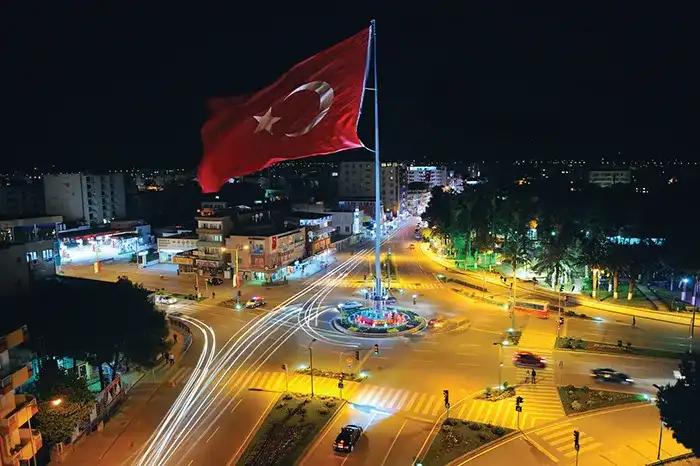
Osmaniye Places to Visit
Osmaniye is a city located in the Mediterranean Region of Turkey, situated in the east of Çukurova, where history and nature intertwine. Built at an elevation of only 121 meters above sea level, the city is virtually hid…


When to Visit Osmaniye?
The ideal time to visit Osmaniye is during spring and autumn. In April-May, nature turns lush green, waterfalls flow abundantly, and the weather is perfectly suitable for visiting ancient cities. In October-November, the autumn landscapes of the Amanos Mountains, painted in vibrant colors, particularly enchant photography enthusiasts.
During summer, the humid and hot climate of Çukurova also affects Osmaniye; temperatures can reach very high levels in July and August. During this period, it would be wiser to visit ancient cities in the early morning and head to high-altitude and cool spots like Zorkun Plateau in the afternoon. Winter months are mild but rainy; during this season, the warm waters of Haruniye Thermal Springs gain special significance.
How to Get to Osmaniye?
By Air: Osmaniye does not have its own airport. The nearest airport is Adana Airport. Passengers landing in Adana can reach Osmaniye by road in approximately 1-1.5 hours. Regular bus and minibus services are available between Adana and Osmaniye.
By Road: Osmaniye is located on important transit routes in Turkey. Frequent bus services are available from surrounding provinces such as Adana, İskenderun, Gaziantep, and Kahramanmaraş. The city's bus terminal is close to the city center. There are also direct bus services to Osmaniye from major cities like Istanbul, Ankara, and Izmir.
By Rail: Osmaniye is connected to the railway network. Options are available for those who prefer to travel by train; however, it is recommended to check TCDD's official channels for current train schedules and routes.
Getting Around Osmaniye
In Osmaniye city center, municipal buses and minibuses are the primary means of transportation. The city center is compact enough to be easily explored on foot. Distances between the bazaar, park areas, and central locations are quite short.
To reach out-of-town destinations such as Karatepe-Aslantaş Open-Air Museum, Kastabala Ancient City, Zorkun Plateau, and Haruniye Thermal Springs, renting a car or using a private vehicle is the most practical way. Public transportation to these points is quite limited, so a rental car provides great convenience, especially for those who wish to visit multiple points on the same day. Taxi services are also available in the city center.
Places to Visit in Osmaniye
Karatepe-Aslantaş Open-Air Museum: Located in Karatepe Village, part of Osmaniye's Kadirli district, this museum is approximately 34 km from the city center. With its reliefs, sculptures, and inscriptions from the Late Hittite period, it is considered one of Turkey's most important archaeological sites. Its location within a forest by the Aslantaş Dam Lake offers both a historical and natural experience.
Kastabala Ancient City: This ancient city, also located in Kadirli district, contains a broad historical layer extending from the Iron Age to the Roman period. Offering an impressive atmosphere with its colonnaded streets, theater, and ruins, Kastabala provides a tranquil discovery experience as it has not yet been overwhelmed by tourist crowds.
Toprakkale Castle: This medieval castle, prominent on the Osmaniye-İskenderun highway, has been important throughout history due to its strategic location. The panoramic view offered by the castle is a reason to visit in itself.
Karaçay Waterfall: Rated as Osmaniye's highest-rated natural beauty on Tripadvisor, Karaçay Waterfall gains a mesmerizing appearance with its vigorous flow, especially in spring. With its picnic areas, it is also an ideal spot for families to spend a day.
Sabun Çayı Waterfall: Preferred for day trips into nature due to its proximity to the city, Sabun Çayı Waterfall offers a relaxing break with its peaceful atmosphere amidst greenery.
Zorkun Plateau: Located on the Amanos Mountains, Zorkun Plateau is a favorite for those seeking to escape the city's oppressive heat in summer, with its cool air and lush green scenery. Bungalows and recreational facilities on the plateau also offer accommodation.
Haruniye Thermal Springs: Known for its healing waters and thermal facilities, Haruniye Thermal Springs attract visitors especially in autumn and winter. It is an ideal stop to relax tired muscles after nature walks.
Where to Stay in Osmaniye?
As Osmaniye is not a major tourist city, accommodation options are limited but sufficient to meet basic needs. In the city center, boutique hotels and family-run guesthouses predominantly offer services. For those seeking comfort, medium-sized hotels in the center provide an adequate lodging experience.
For those who wish to stay close to nature, bungalows and holiday villages on Zorkun Plateau offer an interesting alternative. There are also facilities offering thermal accommodation around Haruniye Thermal Springs. Visitors who want to use the city as a base to explore surrounding districts might find it more practical to choose hotels in the center.
What to Eat in Osmaniye?
Osmaniye cuisine, bearing the traces of Çukurova and Mediterranean culinary traditions, consists of simple yet satisfying flavors. In the city, kebab varieties are indispensable; influenced by Adana cuisine, spicy kebabs and shish varieties stand out. Traditional dishes such as tarhana soup and analı kızlı, cooked in local restaurants, are also must-try delicacies.
Pastries like katmer and tahinli pide are frequently preferred for breakfast. Fresh legumes, local olive oil, and seasonal fruits can be found in the city's markets. Artisan restaurants in the center offer both affordable and home-cooked meal options. Trying the dish of the day in these places, which are often bustling at lunchtime, is one of the best ways to experience the city's daily life up close.
Historical and Cultural Fabric of Osmaniye
Osmaniye and its surroundings rise on ancient lands that have been continuously inhabited throughout human history. Layers from the Hittite, Assyrian, Persian, Hellenistic, Roman, Byzantine, and Ottoman periods reveal the region's deeply rooted past. The Hittite inscriptions at Karatepe made significant contributions to the decipherment of Luwian hieroglyphs and hold a special place in world archaeological literature.
Before gaining provincial status in 1996, the city was a district of Adana. Despite this young provincial identity, the people continue to preserve a deeply rooted local culture. Traditional handicrafts, local festivals, and village markets constitute the vibrant elements of Osmaniye's cultural fabric. The Martyrs' Monument is also one of the important symbols in the city's memory and a must-visit.
This content originates from neresigezilir.com.tr and may not be copied without permission.
Places to Visit

Karatepe Aslantaş Open-Air Museum
A Late Hittite fortress dating back to 700 BC, located on the shore of Aslantaş Dam Lake in …

Karaçay Waterfall and Picnic Area
Karaçay Waterfall, falling from 25-30 meters, and its surrounding nature park, located 4 km …

Zorkun Plateau
One of the largest plateaus in Çukurova, located at 1650 meters in the Amanos Mountains. Wit…

Kırmıtlı Bird Paradise
Located on the banks of the Ceyhan River, at the foothills of the Amanos Mountains, this are…

Karatepe-Aslantaş National Park
A national park located in Kadirli district of Osmaniye, on the shore of Aslantaş Dam Lake. …

Toprakkale Castle
A hill castle with a history dating back to 2000 BC, located at the intersection of the Osma…

Kastabala Ancient City
Kastabala-Hierapolis, 12 km north of Osmaniye, on the Ceyhan River, features Roman-era colon…

Gaffarlı Stone Bridge
A 300-year-old single-arch stone bridge over Kesiksu Stream in Gaffarlı Village, part of Sum…

Ağcabey Mosque
A historic mosque standing in Atatürk Square in Bahçe district of Osmaniye. Its minaret date…

Karatepe Kilim Cooperative
Located in Sarıdüz Neighborhood of Kadirli, this is where village women weave Karatepe kilim…

Ala Mosque (Kadirli Ala Mosque)
Ala Cami, built in the 15th century on the remains of a monastery and church in the center o…