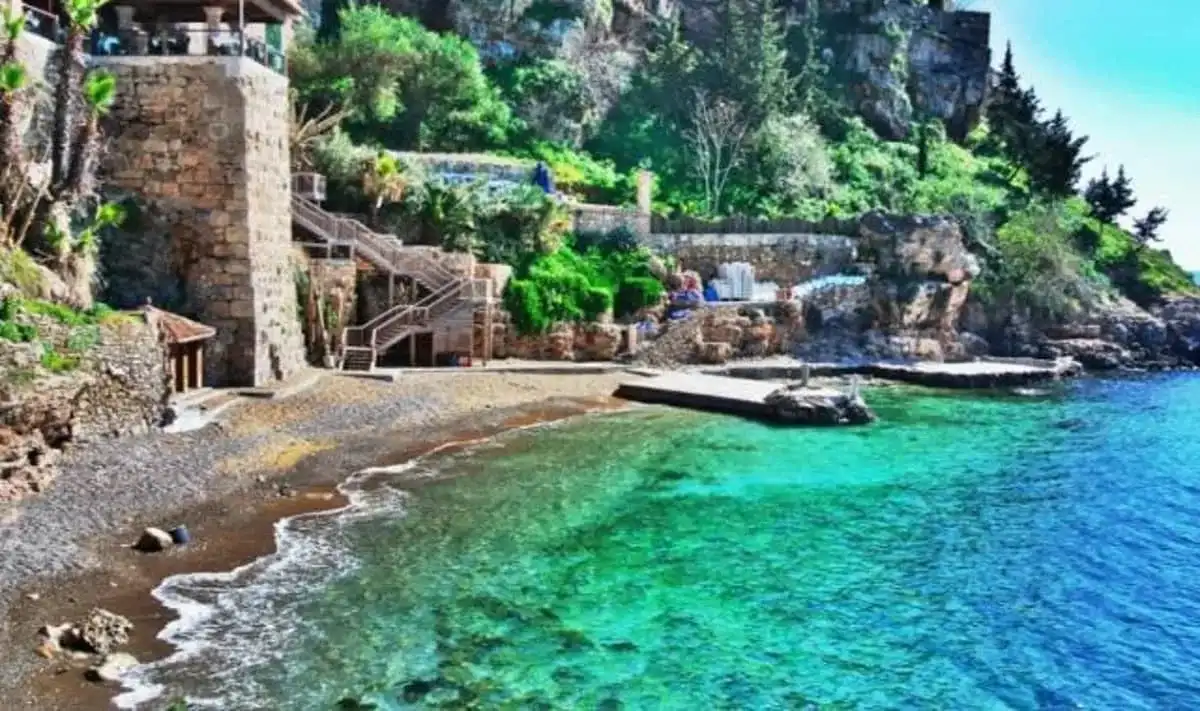
Manisa Places to Visit
Manisa, established in the inner parts of the Aegean Region, on the banks of the Gediz River and at the foothills of Mount Spil, is a deeply rooted city whose history dates back to the 2nd millennium BC. These lands, hom…


When to Visit Manisa?
The ideal period to visit Manisa is between April-June and September-October. In spring, the plains and foothills turn lush green; the weather is neither too hot nor too cold. Especially the Mesir Paste Festival, held in April, transforms the city into a different atmosphere; if you plan to come during this period, we recommend arranging your accommodation in advance.
In July and August, a scorching heat typical of the inner Aegean region prevails; during this period, it would be wiser to visit ancient cities in the early morning and spend the afternoon in indoor places or on the cool slopes of Mount Spil. Winter months are mild, and the crowds are quite sparse; a winter visit can also be considered for those who want to see museums and historical structures in a calm environment.
How to Get to Manisa?
Manisa does not have its own airport. The most practical transportation option is to fly to Izmir Adnan Menderes Airport, which is approximately 40 kilometers away, and then travel to Manisa by road. It is possible to reach the city from the airport by IZBAN train or bus.
Bus services from major cities in Turkey are quite frequent and regular. There are direct services from centers like Istanbul, Ankara, Bursa, and Izmir to Manisa bus terminal. Manisa can be reached from Izmir in approximately 45-60 minutes. A train connection is also available; regional trains departing from Izmir stop in Manisa. For those coming by private car, access to the city via the Izmir-Ankara highway is quite easy.
City Transportation in Manisa
In Manisa city center, municipal buses are the primary means of transportation. You can use the ManisakART smart card system operated by Manisa Metropolitan Municipality to board buses; the card can be obtained from vendors throughout the city. Since the city center is within walking distance, many historical structures can be reached on foot.
For those who want to go to distant points like the ancient city of Sardis, taxi or car rental can be preferred. Especially if you are planning a trip that includes districts, you might consider renting a car, keeping in mind that public transportation might be limited. Using a private car or taxi is also the most practical solution for reaching Spil Mountain National Park.
Places to Visit in Manisa
Ancient City of Sardis: Sardis, the capital of the Lydian Kingdom, is located near the Salihli district. With the ruins of the Temple of Artemis, the Roman-era gymnasium, and the synagogue complex, it offers the opportunity to experience different layers of history in the same area. There is an entrance fee; we recommend allocating at least half a day for your visit.
Muradiye Complex: Commissioned by Sultan Murad II and considered Mimar Sinan's only work in the Aegean, this complex consists of a mosque, madrasah, and imaret. The madrasah building today serves as the Manisa Museum. The museum exhibits archaeological artifacts from the Lydian period, coins, and ethnographic collections.
Sultan Mosque and Complex: Built in the name of Hafsa Sultan, mother of Suleiman the Magnificent, this complex is one of the most magnificent examples of Ottoman architecture in Manisa. It is rumored that mesir paste was first distributed here.
Spil Mountain National Park: Rising directly above the city, Mount Spil is home to both legends and rich biodiversity. The park features hiking trails, picnic areas, and cool spots like the Bozdağ plateau. Weeping Rock Niobe is also located on the slopes of this mountain; this natural rock formation, resembling the face of Niobe, who in Greek mythology is said to have turned to stone from weeping after losing her children, is an interesting stop.
Manisa Castle: Located on a hill overlooking the city, the castle's history dates back to the Byzantine period. The walls around the castle and the viewpoints are an attractive destination for photography enthusiasts.
Ancient City of Aigai: Located at the foothills of Mount Yunt, this ancient city offers a quiet discovery environment with its theater and temple ruins. It is ideal for those seeking an ancient city experience away from the crowds and intertwined with nature.
Kula Houses and Kula Volcanic Field: The traditional Ottoman houses in Kula district and the surrounding volcanic area are on UNESCO's Tentative World Heritage List. This geography, reminiscent of fairy chimneys, is one of Manisa's most extraordinary natural beauties.
What to Eat in Manisa?
Manisa cuisine combines the fresh produce of the Aegean with the hearty flavors of Central Anatolia. The city's most famous local delicacy is Manisa kebab; this kebab, served with finely minced meatballs arranged on pita bread and topped with yogurt and tomato sauce, has become a symbol of the city. It would be a great omission not to try Manisa kebab when visiting Manisa.
For those looking for sweets, mesir paste is a must-try; this unique delicacy, prepared with spices and herbal ingredients, is a traditional jam believed to have healing properties. It can be easily found in the city's bakeries and bazaars. In addition, Manisa's sultana grapes and figs have gained fame throughout the country; tasting them fresh in season offers a special pleasure.
In the city center's restaurants, Aegean-style olive oil dishes, fresh vegetable appetizers, and various grilled options are also abundant. For breakfast, you can prefer local cafes; Manisa's village breakfast culture is quite vibrant.
Where to Stay in Manisa?
Manisa is sometimes preferred for day trips rather than accommodation due to its proximity to Izmir. However, staying in the city offers the opportunity to visit ancient cities and the national park before the crowds in the early morning. There are mid-range hotels and boutique guesthouses in the city center; although large chain hotels are limited, the options are sufficient.
Those looking for a more unique accommodation experience can consider guesthouses converted from historic Ottoman mansions in the Kula district. There are also small facilities in nature at the foothills of Mount Spil. For budget travelers, affordable guesthouses in the city center are a good alternative. During the peak season of April-May, especially during the Mesir Paste Festival week, we recommend booking your accommodation in advance.
Manisa's Culture and Traditions
One of the most important elements shaping Manisa's cultural identity is the Mesir Paste Festival. Every year in April, mesir paste is scattered to the public from the minarets of the Sultan Mosque, a tradition that has continued since the 16th century. The distribution of this paste, rumored to have cured Hafsa Sultan, mother of Suleiman the Magnificent, is today on UNESCO's Intangible Cultural Heritage list.
The title of City of Princes has also left deep marks on Manisa's cultural memory. During the Ottoman period, princes were sent to Manisa as sanjak-beys to prepare for the throne; this tradition deeply influenced the city's administrative and cultural structure. Suleiman the Magnificent is also among those who served as sanjak-bey in Manisa. Traces of this history are still felt in the city's Ottoman heritage and the identity of the local people.
Shopping in Manisa
The most unique option for shopping in Manisa is to buy mesir paste. Sold in different packages in the city's bazaars and souvenir shops, this product will be the most meaningful souvenir to take home. In addition, local sultana raisins, figs, and olive oil can be added to your shopping list.
The shops around the covered bazaar and historic inn in the city center are worth visiting for handmade products and local textiles. Modern shopping centers are also available in the city; however, we recommend preferring the bazaar streets for a shopping experience that reflects the spirit of Manisa. If you are visiting the Kula district, the region's traditional weaving and carpets are also a striking option.
Budget Planning in Manisa
Manisa, being one of Turkey's less crowded tourist cities, has quite reasonable accommodation and food prices compared to Izmir or Istanbul. A night's stay in a mid-range hotel, daily food, and transportation expenses can easily be managed on an economical budget per person.
Some of the places to visit are subject to a fee; an entrance fee is charged at Sardis Ancient City, Manisa Museum, and some picnic areas. Museum Card holders can enter state museums for free. Using the ManisakART card for city transportation is both practical and economical. Experiencing local delicacies like Manisa kebab in small restaurants in the center is both budget-friendly and an authentic option.
This content originates from neresigezilir.com.tr and may not be copied without permission.
Places to Visit
Turgutlu
Located in the east of Manisa, on the edge of the fertile Gediz Plain, Turgutlu is a vibrant…

Muradiye Mosque and Complex
Rising on the foothills of Mount Spil in Manisa's Şehzadeler district, the Muradiye Mosque a…

Sultan Mosque and Complex
Built in 1522 by Ayşe Hafsa Sultan, the mother of Suleiman the Magnificent, the Sultan Mosqu…

Aigai Ancient City
Aigai Ancient City, located on Yunt Mountain in the Yunusemre district of Manisa, is an arch…

Mount Spil National Park
Mount Spil, a symbol of Manisa, was declared a national park in 1969; it is a 6,860-hectare …

Kula Volcanoes (Kula-Salihli Geopark)
Located in the Kula district of Manisa, the Kula Volcanoes are one of Turkey's best-preserve…

Yunus Emre and Tapduk Emre Tomb
Located in Emre Neighborhood of Kula district in Manisa, this tomb brings together two impor…

Sardis Ancient City
Sardis, the capital of the Lydian Kingdom, is historically significant as the place where th…

Bin Tepeler (Lydian Tumuli)
Bin Tepeler, located near Salihli district of Manisa, on the edge of the Gediz Plain, is an …

New Han
An Ottoman inn from the 19th century located in the city center of Manisa, in the Şehzadeler…

Manisa Castle
Rising on the northern slope of Mount Spil, Manisa Castle has a deep-rooted history stretchi…

Manisa Grand Mosque and Complex
Built in 1366 during the Saruhanid Principality period, the Manisa Grand Mosque and Complex …

Alaşehir Archaeological Site (Ancient City of Philadelphia)
Located in the Alaşehir district of Manisa, the ancient city of Philadelphia was founded in …

Akpınar Recreation Area
Akpınar Recreation Area, located 7 kilometers from Manisa city center at the foothills of Mo…

Cybele Rock Relief
Located in the Akpınar area of Manisa, at the foothills of Mount Spil, the Cybele Rock Relie…

Yoğurtçu Castle
Rising on a hill overlooking the Gediz Plain in Manisa's Yunusemre district, Yoğurtçu Castle…

Thyateira Ancient City
Located right in the middle of Akhisar district of Manisa, Thyateira Ancient City, with its …

Akhisar Museum
The Akhisar Museum, which opened its doors in a historic hospital building constructed in 19…

Manisa Mevlevi Lodge
Built by İshak Çelebi in 1368-69, Manisa Mevlevihanesi is Turkey's second-largest Mevlevi lo…

Alaşehir Yıldırım Bayezid Mosque
Built by Ottoman Sultan Yıldırım Bayezid, this mosque is located in Alaşehir's Soğuksu Neigh…

Manisa Museum
The Manisa Museum, which has been open since 1937 in the Muradiye Madrasah, Mimar Sinan's on…

Çeşnigir Mosque
Located in Manisa's Çarşı Quarter, the Çeşnigir Mosque was built in 1474 by Çeşnigir Sinan B…

Ivaz Pasha Mosque
An Ottoman-era mosque built in 1484 by Ivaz Pasha in the Yunusemre district of Manisa. The s…

Emir Hıdır Bey Mosque
An Ottoman-era mosque built in 1791-92 in the Soma district of Manisa. It is considered one …