Mus Places to Visit
Nestled in the ancient lands of Eastern Anatolia, at an altitude of 1,250 meters, Muş is one of Turkey's most unique cities. Leaning against the fertile plain of the Murat River, this city bears the traces of thousands o…


When to Visit Muş?
The ideal time to visit Muş is between late April and early June. During this period, the plain is covered with endemic Muş tulips, creating a pink-purple blanket; the weather is cool and suitable for walking. This window should not be missed by photography enthusiasts.
July and August are hot and dry; although the plain turns yellow, the plateaus in the mountainous regions remain cool. For those who want to see the Güzeldağ Ski Center, December to March is a period with guaranteed snow. In winter, the city center is snowy and cold; roads may occasionally close, so a flexible plan is necessary for winter travel.
Autumn, especially September and October, is a balanced option in terms of both weather conditions and crowds. This season is very suitable for those who want to visit historical sites peacefully.
How to Get to Muş?
By Plane: Muş Airport is approximately 16 km from the city center. Various airlines, especially Turkish Airlines, operate regular flights from Istanbul and Ankara to Muş. It is possible to reach the city center from the airport by taxi or shuttle services.
By Bus: There are direct bus services to Muş from many major cities in Turkey. The intercity bus terminal is approximately 2 km from the city center; from there, you can easily reach the center by urban minibuses. Since the journey from Ankara and Istanbul is quite long, it is recommended to prefer flying.
By Car: Muş is accessible by road via Bingöl and Bitlis. If you are planning a trip that also covers other provinces of Eastern Anatolia, traveling by car provides both freedom and flexibility. In winter, it is important to check weather conditions in mountain passes in advance.
Getting Around Muş
Muş city center is relatively small and can be explored on foot. Within the city, minibus lines are the primary means of transportation; reaching central points and surrounding neighborhoods by minibus is both practical and economical.
To go to districts and historical sites in rural areas, taxis or car rental can be preferred. Since it is difficult to reach points far from the city center such as Arak Monastery and Künav Cave by public transport, arranging a private vehicle or researching local tour options for these places is more practical. The guidance of local people is very helpful in this regard.
Places to Visit in Muş
Arak Monastery (Çanlı Kilise): Located within the borders of Kepenek village, affiliated with the central district, this early Christian structure is one of the most impressive historical remains in the region. Its stone craftsmanship and location deeply impress visitors.
Surp Marine Church: One of the beautiful examples of Armenian architecture, this church stands out with its historical texture. It is among the structures that concretely make one feel Muş's multi-layered cultural past.
Holy Apostles Monastery: One of the important religious structures in the region, it deserves to be on the visit list due to its historical significance.
Muş Museum: Housing artifacts from the Bronze Age, Iron Age, Roman, Hellenistic, Seljuk, and Ottoman periods, the museum is a must-visit stop before exploring the city. Admission is free, and it can be explored in about 20 minutes.
Malazgirt Castle: Located in the historical lands where the Battle of Manzikert in 1071 took place, this castle symbolizes one of the turning points in Turkish history. The Victory Monument is also located in this region.
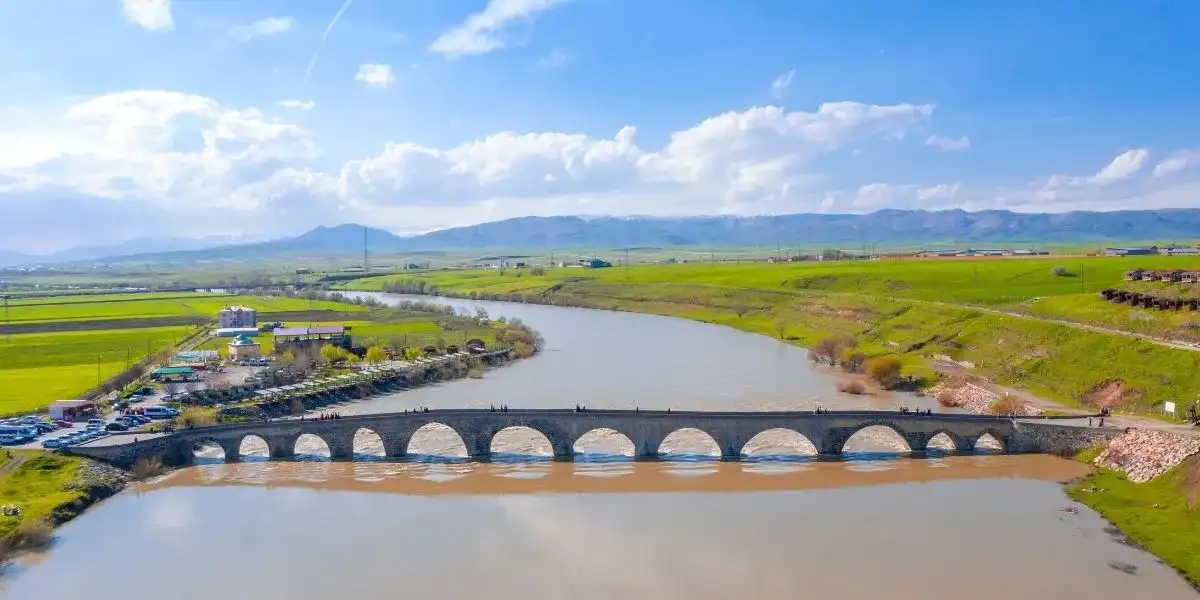
Murat Bridge: The historical bridge over the Murat River is worth seeing both for its architecture and its view.
Muş Tulip and Plain: The endemic tulip covering the plain in spring has become the symbol of Muş. In April-May, the plain is like a painting.
Güzeldağ Ski Center: Offers an alternative for winter sports enthusiasts at a short distance from the city.
Künav Cave: An interesting discovery point for nature lovers.
Akdoğan Lake: A beautiful stop for a peaceful nature walk and relaxation.
Yıldızlı Han: Located in the upper bazaar in the city center, this structure is a two-story historical inn built in 1307. It stands out with its cut stone masonry.
What to Eat in Muş?
Muş cuisine reflects the simple and satisfying flavors of Eastern Anatolia. Tandoor bread is the city's most basic and indispensable delicacy; eating freshly baked tandoor bread with local cheese and butter is an experience in itself.
Regional herbal cheese varieties are prepared with aromatic plants grown in the mountainous geography of the region. They are among the flavors you must taste when you come to Muş. Kavut (a traditional food made from roasted grain), keşkek, and various meat dishes are also staples on local tables.
You can find homemade dishes in small restaurants in the city center. In Muş, local businesses stand out rather than large restaurant chains; this makes the dining experience more intimate and authentic.
Where to Stay in Muş?
Muş is not a major tourist city, so accommodation options are limited; however, there are enough hotels in the city center to meet needs. Generally, boutique and family-run hotels stand out; it is recommended to adjust your comfort expectations accordingly.
For a short stay, hotels in the city center will suffice. If you plan to visit Malazgirt or surrounding districts, small guesthouses can also be found in those areas. It is advisable to make your reservation in advance during busy periods (especially during tulip season).
Budget Planning in Muş
Muş is one of Turkey's more affordable cities. In terms of food, accommodation, and transportation, it is significantly more economical compared to big cities. Admission to important cultural venues like the Muş Museum is free.
Using minibuses for urban transportation greatly eases the budget. Taxis or rental cars you hire to go to historical sites in rural areas might be the biggest expense item of the day. Meal prices in local restaurants are quite reasonable. Overall, Muş can be considered a budget-friendly destination.
Culture and History of Muş
Muş is an ancient settlement that has seen continuous habitation since pre-BC periods. It bears the traces of many civilizations such as Urartu, Persia, Rome, Armenian kingdoms, Seljuk, and Ottoman. This multi-layered past greatly enriches the city's cultural fabric.
The Battle of Manzikert in 1071 permanently determined the place of these lands in Turkish history. Annual commemoration ceremonies draw attention to the city's historical importance. Monasteries and churches from the early Christian period reveal the region's Armenian and Syriac cultural heritage.
The majority of Muş's population speaks Kurdish; the city's cultural atmosphere reflects this fact. The local people are hospitable and warm-hearted; you immediately feel this sincerity when exploring the city.
This content originates from neresigezilir.com.tr and may not be copied without permission.
Places to Visit
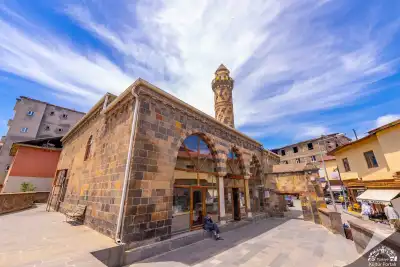
Alaeddin Bey Mosque (Paşa Mosque)
Built in 1747–1748 in the Dere neighborhood of central Muş, this nine-nave Ottoman mosque is…

Yıldızlı Han
Built in 1889 by Miralay Seyfi Bey, Yıldızlı Han is a two-story caravanserai on the Silk Roa…