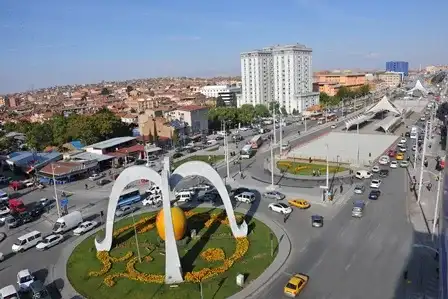
Malatya Places to Visit
Malatya, a city founded on the fertile lands of Eastern Anatolia, stands out with its thousands of years of history and unique nature. This ancient city, which earned the nickname Apricot Land for its world-famous aprico…


When to Visit Malatya?
The ideal time to visit Malatya is during May-June and September-October. In spring, apricot trees blossom, and the valleys turn lush green; this period is perfect for both photography and nature walks. Late June to early July is when the apricot harvest takes place, and the annual Malatya Apricot Festival adds a special vibrancy to the city.
Temperatures rise considerably during the summer months; July and August averages can exceed 35 degrees Celsius. Therefore, if you plan to visit in mid-summer, try to be outdoors in the early morning. Winter months are cold and snowy; however, it is still a suitable period to visit museums and historical sites in the city center. If you plan to include Mount Nemrut in your itinerary, you should choose between May and October; roads may be closed in winter.
How to Get to Malatya?
By Plane: Malatya Airport is connected to many major cities in Turkey with direct flights. Regular services are available from various cities, especially Istanbul, Ankara, and Izmir. The airport is approximately 26 km from the city center; from there, you can reach the center by taxi or shuttle services.
By Bus: Bus services to Malatya are available from all over Turkey. This journey, which takes approximately 14-16 hours from Istanbul, is suitable for those looking for a budget-friendly option. The intercity bus terminal is located close to the center.
By Car: Reaching Malatya by road is quite easy. It takes approximately 5-6 hours from Ankara and 2.5-3 hours from Gaziantep. For those who want to explore the surrounding districts and natural beauties, a rental car is the most practical solution.
City Transportation
In Malatya, the backbone of urban transportation is formed by the bus and trambus lines within MOTAŞ. Trambus, in particular, offers fast and comfortable transportation along the city's main arteries. Using Malatya Kart on public transport vehicles is both practical and more economical.
Many historical and cultural sites in the city center are accessible on foot. Natural areas such as Levent Valley, Günpınar Waterfall, and Tohma Canyon are far from the city center, so renting a car or considering organized tour options is more practical. Taxi services are also widespread and can be called via an app.
Places to Visit in Malatya
Arslantepe Mound: This mound, a UNESCO World Heritage Site, is one of the most important points in Anatolian archaeology with layers dating back to the 4th millennium BC. Located in the Battalgazi district, the mound is a must-see for history enthusiasts.
Levent Valley: This valley, prominent for its proximity to the city, captivates visitors with its steep cliffs, lush vegetation, and nature walking trails. It is also a very productive spot for photography enthusiasts.
Günpınar Valley and Waterfall: The waterfall, cascading from a height of approximately 40 meters, creates an impressive natural tableau with its surroundings. It is also a frequently preferred spot for families with picnic areas and walking paths.
Tohma Canyon: With its deep valley and turquoise waters, it is one of Malatya's most striking natural beauties. It also offers a suitable environment for water sports such as rafting and canoeing.
Malatya Archaeology Museum: The museum, housing artifacts unearthed in excavations in the region, has a rich collection of findings from Arslantepe and surrounding mounds.
Sinema Street and Historical Houses: This street, lined with traditional bay-windowed wooden houses like Hanzade Mansion and Beşkonaklar, is one of the best reflections of the city's historical fabric.
Malatya Castle: Rising in the historical center of the city, the castle bears the traces of different civilizations and offers a beautiful viewpoint for the surrounding landscape.
Mount Nemrut: Although technically close to the Adıyaman border, Malatya's Pütürge district is also adjacent to this area. Many visitors coming to the region for the giant statues and sunrise views on the UNESCO list use Malatya as a base.
Where to Stay in Malatya?
Accommodation options in Malatya are concentrated in the city center. While there are various hotels in the Battalgazi and Yeşilyurt districts, hotels close to the center are more advantageous in terms of transportation. The city offers a mix of boutique hotels, mid-range chain hotels, and budget-friendly guesthouses.
If you plan to stay for a long time or want to be close to natural areas like Levent Valley or Günpınar, it might be useful to research small accommodation facilities in these regions. The city gets crowded during the Apricot Festival; if you plan a visit during these dates, it is recommended to make your reservation in advance.
What to Eat in Malatya?
Malatya cuisine combines the intensely spiced flavors of Eastern Anatolia with its unique simplicity. The city's most famous product, the apricot, appears not only fresh or dried but also in jams, fruit leathers (pestil), walnut sausages (köme), and various desserts. Apricot fruit leather and walnut sausage are among the most valuable gifts to take home.
Malatya liver kebab is a must-try delicacy found in the city's streets and restaurants. In addition, tandoor kebab, analı kızlı soup, and local pastries are indispensable parts of the tables. Şire Bazaar and its surroundings are ideal for both shopping and tasting local products. The breakfast culture is also quite developed; village breakfasts prepared with local cheeses, homemade jams, and fresh flatbread offer an unforgettable experience.
Shopping in Malatya
The most valuable souvenir to take home from Malatya is undoubtedly apricot products. Dried apricots, fruit leather (pestil), walnut sausage (köme), apricot jam, and apricot kernel oil can be easily found in the city's bazaars and Şire Bazaar. When purchasing products, it is a more reliable method to taste them if possible to ensure quality.
The city's historical bazaar area is also rich in hand-woven textile products, copper-embossed objects, and local handicrafts. Choosing packaged and sealed options for apricot products provides an advantage in preserving freshness during long journeys. Large shopping centers are also available in the city; however, local bazaars offer a more satisfying experience in terms of both price and authenticity.
This content originates from neresigezilir.com.tr and may not be copied without permission.
Places to Visit

Levent Valley
A 28 km long valley in Akçadağ district of Malatya, with a 65 million-year-old geological hi…

Gnpınar Waterfall
A natural waterfall located 5-8 km from Darende, cascading from rocks in three stages from a…

Somuncu Baba Mosque and Tomb
In Darende district of Malatya, on the banks of the Tohma Stream, there is a complex: Somunc…

Zeynel Abidin Tomb
An Ahl al-Bayt tomb near the Euphrates river in Battalgazi. Attributed to Imam Zeynel Abidin…

Arapgir Kozluk Stream Canyon
A 17-kilometer canyon carved by the Kozluk Stream in the Arapgir district of Malatya. Campin…

Old Malatya (Battalgazi) Grand Mosque
A Seljuk mosque built in 1224 during the reign of Alaaddin Keykubat. Unique in Anatolia with…

Sultansuyu Stud Farm
Located 27 km west of Malatya, this historic stud farm has been breeding purebred Arabian ho…

Gündüzbey
Gündüzbey, located 10 km from Malatya city center and part of Yeşilyurt, is a popular escape…

Sürgü Takaz Recreation Area
A recreation area 14 km from Doğanşehir and 70 km from Malatya city center. It is preferred …

Silahtar Mustafa Pasha Caravanserai
An Ottoman caravanserai from 1637 in Battalgazi. Built by Mustafa Pasha of Bosnia, the silah…

Hasan Basri Tomb
Standing right next to the Kırk Kardeşler Martyrs' Cemetery in Battalgazi, this tomb was act…

Orduzu Pınarbaşı Recreation Area
A recreation area located 5 km from Malatya city center, within Turgut Özal Nature Park, fea…

Yama Dağı Plateau
A volcanic mountain mass in the north of Malatya, within the borders of Hekimhan, surrounded…

New Mosque (Hacı Yusuf Mosque)
A historic mosque in Malatya city center, rebuilt on the same site after the 1894 earthquake…

Beşkonaklar Ethnography Museum and Traditional Malatya House
An example of civil architecture from the early 1900s, consisting of five mansions in Battal…

Malatya Archaeology Museum
The Malatya Archaeology Museum, exhibiting artifacts from Arslantepe Mound and surrounding e…

Atatürk Monument
It stands at the intersection of Kışla Street and Tandoğan Street in Battalgazi. Started in …

Sarıiek Plateau
A vast pasture at an altitude of 1500-1700 meters, located on the border of Malatya, Erzinca…

Tashoron Church
An 18th-century Armenian church in Malatya's Çavuşoğlu neighborhood. One of Eastern Anatolia…

Arslantepe Mound Open-Air Museum
A mound dating back to 5000 BCE, 7 km from Malatya. The world's oldest known mud-brick palac…

İnönü Monument
A monument completed in 1947 in Malatya Governor's Office square. Its pedestal features figu…

Kanlı Kümbet
A Seljuk-era monumental tomb standing within an old cemetery in Battalgazi. It consists of t…

Tohma Canyon
An eight-kilometer canyon in Darende district of Malatya, near Somuncu Baba Complex. A free …

İspendere Mineral Springs
A picnic and relaxation area in Battalgazi, on the Malatya-Elazığ highway, known for its hea…