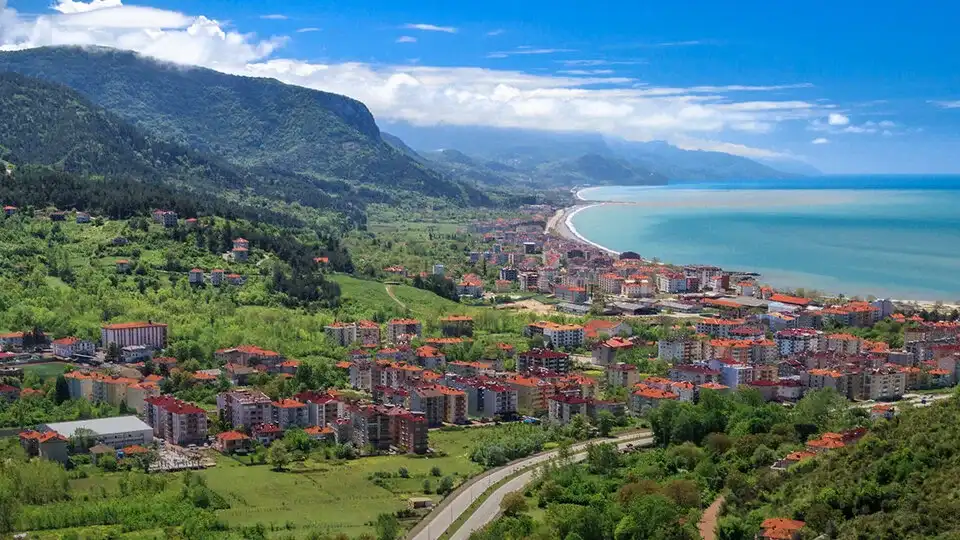
Kastamonu Places to Visit
Kastamonu, nestled at an altitude of 775 meters in the heart of the Western Black Sea region, is a city where history and nature intertwine. With a deep-rooted past stretching from the Byzantine era to the Ottoman Empire…


When to Visit Kastamonu?
The ideal period to visit Kastamonu is between May and October. In spring, the forests turn a fresh green, and waterfalls and canyons flow vigorously; this period is perfect for nature walks. June-September is the most comfortable period in terms of both weather and road conditions; these months should be preferred for trips to canyons and the national park.
During winter months, the city center and historical areas can be visited; however, transportation in the Küre Mountains and canyon routes may become difficult due to snow and ice. If your aim is only to visit the historical fabric, mansions, and city center, winter can also be a pleasant choice. The city gains a particularly lively atmosphere during Ramadan and local festivals.
How to Get to Kastamonu?
The most common way to reach Kastamonu is by bus. There are regular services from Istanbul, as well as Ankara, Izmir, and other major cities. The city's bus terminal is located in the city center, and transportation is quite easy. Ticket prices vary depending on the route; early booking will help you find more affordable prices.
Kastamonu has Kastamonu Airport; however, the number of flights is limited, and the flight schedule may vary seasonally. There are special public bus services from the airport to the city center; these services operate only on flight days. For those traveling by car, the city is located at a crossroads on the historical Silk Road routes extending to Sinop Port; road connections are well-developed.
City Transportation in Kastamonu
Kastamonu city center has a relatively compact structure, and most of the historical areas are connected within walking distance. It is possible to reach Kastamonu Castle by walking via Eligüzel Street; this path also offers an opportunity to see the historical mansion texture up close.
Private public buses operate within the city, and minibus services to districts are also available. To reach out-of-town spots such as Horma Canyon, Valla Canyon, or Küre Mountains National Park, renting a car or taking advantage of day trips organized by local tour operators is the most practical way. Taxi options are also readily available in the city center.
Places to Visit in Kastamonu
Kastamonu Castle: Built in the 12th century during the Byzantine period, the castle is the city's most iconic structure. The view of Cumhuriyet Square and the surrounding historical fabric from the castle hill is magnificent. It can be reached by walking from Eligüzel Street.
Horma Canyon: Located within the Küre Mountains National Park, the canyon is one of the most popular nature routes with its wooden walking platforms and clear stream bed. We recommend confirming whether Müzekart is accepted from current sources before your visit.
Valla Canyon: A favorite for photography enthusiasts with its deep valley and steep cliffs, the canyon is suitable for day trips due to its proximity to the city.
Şehriban Canyon: Located in the Şenpazar district, this canyon keeps adrenaline high with its steep slopes that sometimes narrow to one meter. It is also a frequently visited spot for mountaineering, rock climbing, and nature walking activities.
Küre Mountains National Park: Offers a nature experience in itself with 21 different tour routes. It stands out as one of Turkey's most valuable national parks for activities such as camping, mountaineering, and bird watching.
Ilıca Waterfall: One of the indispensable stops for nature walks, the waterfall gains a magnificent appearance, especially in spring.
Historical Kastamonu Mansions and Bedesten: The wooden bay-windowed Ottoman mansions and the historical bedesten in the city center are among the most important structures reflecting Kastamonu's urban heritage. Nasrallah Mosque is also one of the important religious structures that complete the city's spiritual atmosphere.
What to Eat in Kastamonu?
Kastamonu cuisine has a simple but delicious culinary culture nourished by the fertile lands of the Black Sea. The city's most famous product is undoubtedly Kastamonu sucuk; this sausage, known throughout Turkey for its special garlic-heavy spiced mixture, is sold in every corner of the city and stands out as one of the best food souvenirs.
Garlic is an indispensable ingredient in Kastamonu cuisine; it appears as a decisive flavor element in many local dishes. Local cheeses are also an integral part of the tables. In the restaurants in the city center, Black Sea style home-cooked meals, pastries, and local soups are among the options worth trying. For breakfast, you must taste the local cheeses, butter, and homemade jams.
Where to Stay in Kastamonu?
Accommodation options in Kastamonu are concentrated in the city center. Boutique hotels and guesthouses, with their proximity to the historical fabric, offer a practical choice for those who want to explore the city on foot. There are also thermal hotel options in the city; facilities such as İpeksoy Thermal Resort are suitable for those looking for both accommodation and a spa experience.
Camping areas are available around Küre Mountains National Park, offering a unique experience for nature enthusiasts. Since Kastamonu is not a major tourist center, accommodation capacity is limited; it is recommended to book in advance, especially during summer months and on weekends.
Budget Planning in Kastamonu
Kastamonu is a relatively affordable destination compared to major tourist cities. Local dishes are offered at reasonable prices in restaurants in the city center. Accommodation options are also significantly more economical than in cities like Istanbul or Izmir.
Entrance fees apply to natural areas such as Horma Canyon; as current prices may vary, we recommend confirming before your visit. Don't forget to add car rental or tour costs to your budget for reaching out-of-town spots. Markets and local shops offer more affordable prices for Kastamonu sucuk and local products than tourist shops.
Kastamonu Culture and History
Kastamonu is known as the city of saints; there are numerous tombs, dervish lodges, and historical mosques in and around the city. This spiritual heritage is deeply embedded in the city's daily life and local identity. Structures such as Nasrallah Mosque and the bedesten are important cultural venues that carry the traces of the Ottoman period to the present day.
Kastamonu also holds a special place in the history of Turkish modernization. Atatürk is known to have first announced the hat reform to the public in Kastamonu in 1925; this historical detail adds a symbolic meaning to the city. Wood carving and handicrafts also form an important part of the region's cultural heritage.
This content originates from neresigezilir.com.tr and may not be copied without permission.
Places to Visit
No places found for this filter.