Giresun Places to Visit
Located on the Black Sea coast, Giresun is a unique city where the sea and mountains intertwine, set in one of Turkey's greenest and most rugged geographies. Known as the world capital of hazelnuts, this city appeals to …


When to Visit Giresun?
The most ideal period to visit Giresun is between May and September. During these months, the weather is relatively mild, the plateaus turn lush green, and natural areas like the Blue Lake are at their most beautiful. June and July are when plateau festivals are held; especially the events organized in Kümbet Plateau offer a colorful atmosphere.
It is important to consider that rainfall can occur throughout the year, as is typical of the Black Sea climate. In winter, the inner parts of the province and the plateaus are covered in snow; during this period, the city center and historical sites can still be visited, but conditions for plateau tours may be unfavorable. If you time your visit with the hazelnut harvest period, which is late August to early September, you will have the chance to experience the region's most authentic atmosphere.
The period when leaves turn yellow in early autumn offers a special beauty for photography enthusiasts. It's always a good idea to bring a waterproof raincoat with you to be prepared for rainy days, regardless of the season.
How to Get to Giresun?
By Plane: Giresun-Ordu Airport is located between the two provinces and has regular flights from various major cities, especially Istanbul. It is possible to reach the city center from the airport by shuttle services and taxi.
By Bus: Direct bus services to Giresun are available from Istanbul, Ankara, Izmir, and other major cities. Multiple companies, including Giresun Seyahat, operate on this route. The journey from Istanbul takes approximately 12-14 hours.
By Car: Giresun, located on the Black Sea Coastal Road, is approximately 2.5 hours from Trabzon and 2.5-3 hours from Samsun. The scenery along the coastal road makes the journey enjoyable. If you plan to go up to the plateaus, using a rental car is the most practical option; public transport to the plateaus is quite limited.
City Transportation in Giresun
Giresun city center is compact enough to be explored on foot. Atatürk Square, Giresun Castle, Zeytinlik District, and Giresun Museum are all within close proximity. Reaching most of the historical sites in the center on foot is both possible and the most enjoyable option.
For city public transportation, the Giresun Kart system is used. Municipal buses allow for cheaper fares with the card; payment can also be made with credit or debit cards. To reach Giresun Island, boat trips are organized from the pier in the city center; it is useful to check the departure times in advance.
To reach points outside the city such as Kümbet Plateau, Blue Lake, and Kuzalan, rental cars or tour organizations are the most practical solutions. Minibus services are also available to some points, but their frequency may be limited.
Places to Visit in Giresun
Giresun Castle: This historic castle, built on top of the city, offers a magnificent view overlooking the Black Sea and the city's fabric. A sunset watched from the castle can be one of the most unforgettable moments of a visit to Giresun.
Giresun Island: This small island, which is the only habitable island in the Black Sea, attracts attention with its ancient monastery ruins and natural beauty. You can take a calm walk on the island, reached by a short boat trip.
Giresun Museum: Established inside an old Greek church, the museum houses a wide collection ranging from the Hittite period to the Ottoman period. The museum is open every day, opening its doors at 08:00 in the morning.
Kümbet Plateau: Giresun's most famous plateau, Kümbet, has become indispensable for the local people with its festivals held in summer and its cool air. Lush green meadows and wooden plateau houses create an authentic atmosphere.
Blue Lake and Kuzalan Nature Park: Located at a certain distance from the city center, the Blue Lake captivates photography enthusiasts with its turquoise water, from which it takes its name. Kuzalan Waterfall can also be visited on the same route; there are mountain houses and guesthouses offering accommodation around the park.
Zeytinlik District and Atatürk Square: The Zeytinlik District, which makes you feel the historical texture of the city, invites you for a walk with its narrow streets and traditional architecture. Atatürk Square by the sea is a meeting point for locals and gains a lively atmosphere in the evenings.
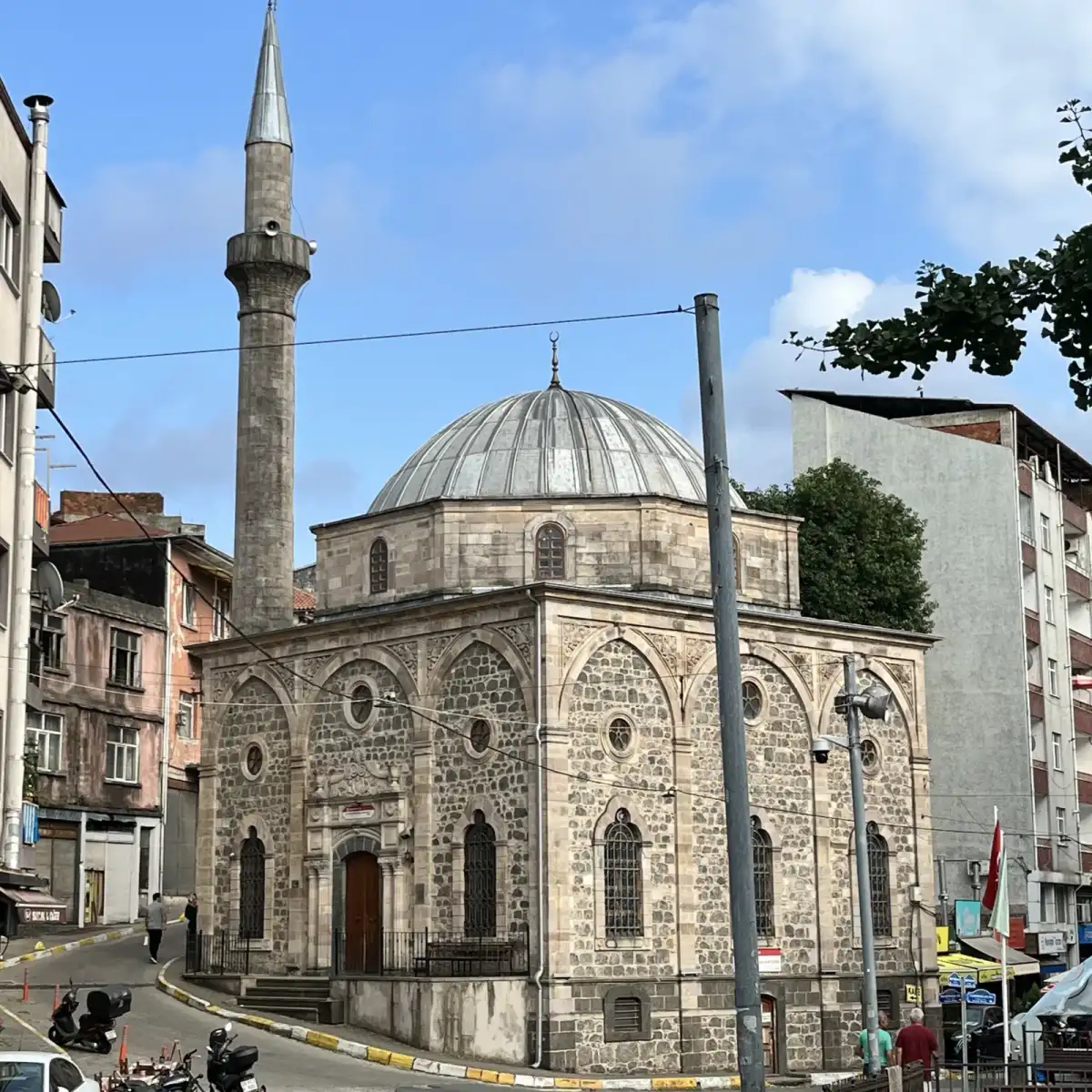
Kapu Mosque (Seyyit Mehmet Pasha Mosque): Built in 1461, this historic mosque is one of Giresun's important structures remaining from the Ottoman period and can be easily visited in the city center.
Virgin Mary Monastery: This monastery ruin, dating back to the Middle Ages, is a quiet corner carrying the traces of history. Its location intertwined with nature makes the visit even more meaningful.
Tirebolu: This district, affiliated with Giresun province, is ideal for a day trip with its medieval castle overlooking the sea and its fishing port.
What to Eat in Giresun?
Giresun cuisine has a simple and delicious structure nourished by the rich nature of the Black Sea. Hazelnuts, as much as they are the symbol of the region, are also one of the cornerstones of its cuisine; hazelnut desserts, hazelnut paste, and dishes prepared with hazelnut oil are indispensable on the tables.
Laz böreği made from corn flour, muhlama (a Black Sea specific dish prepared with corn flour and cheese), and hamsi tava (fried anchovies) are among the region's most well-known delicacies. Fresh fish from the cold waters of the Black Sea are brought to the table, especially in autumn and winter.
Giresun molasses and local jams are also among the products you will definitely want to taste. It is not difficult to find places serving homemade Black Sea dishes in the restaurants in the city center. In the plateaus, fresh milk, churned butter, and village breakfasts offer a different experience.
Where to Stay in Giresun?
In Giresun city center, boutique hotels, apart-hotels, and guesthouses constitute the main accommodation options. Hotels in the center are a good choice for those who prefer sea-view rooms. The city is not a destination with a high concentration of large chain hotel brands; this also means a more intimate and personal accommodation experience.
For those planning a nature-focused trip, mountain houses and guesthouses around Kuzalan Nature Park offer an attractive alternative. There are also plateau guesthouses open in the summer months in Kümbet Plateau and its surroundings. If you choose these options, making a reservation in advance, especially during the summer season, is very important.
For budget-friendly options, family-run guesthouses in the city center stand out with their affordable prices and friendly atmosphere. Accommodation options are also available in Tirebolu and its surroundings.
Giresun's Culture and History
Giresun was known as Kerasus or Cerasus in ancient times. Historical narratives suggesting that cherries were transported from Anatolia to Europe via this port city reveal the city's deep-rooted past. Hittite, Pontus, Roman, Byzantine, and Ottoman civilizations successively left their mark on these lands.
The ancient monastery ruins on Giresun Island continue to exist as an important memory of the Byzantine period. The artifacts exhibited in the Giresun Museum provide concrete evidence of this long history. The Kapu Mosque, remaining from the Ottoman period, is a living part of the city's architectural memory.
The plateau culture of the local people is an integral part of Giresun's identity. Festivals held in the plateaus every summer, horon dance performances, and celebrations accompanied by traditional music offer visitors a unique cultural experience. The hazelnut harvest period is also a special time when a tradition of social solidarity and collective work is maintained in the region.
Budget Planning in Giresun
Giresun is a very budget-friendly destination compared to Turkey's major tourism centers. Accommodation, food and drink, and transportation costs are significantly lower than in cities like Istanbul or Izmir.
Entry to Giresun Museum is possible with a symbolic fee. An entrance fee is charged for Blue Lake and Kuzalan Nature Park; as these fees may be updated from time to time, it is useful to check current information before your visit. A boat fee is paid for passage to Giresun Island.
Lunch or dinner can be eaten at local restaurants in the city center at affordable prices. Car rental or tour participation to go up to the plateaus may constitute the largest item in your budget. Overall, Giresun is an extremely suitable city for mid and low-budget travelers.
This content originates from neresigezilir.com.tr and may not be copied without permission.
Places to Visit
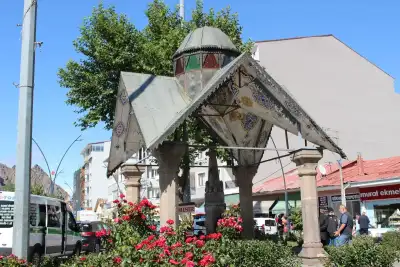
Şebinkarahisar stiklal Fountain
The stiklal Fountain in Şebinkarahisar town square was built in 1927 in memory of the War of…

Soğuk Su Mosque
A 19th-century cut-stone mosque in Şeyh Keramettin Neighborhood, Giresun city center. Built …
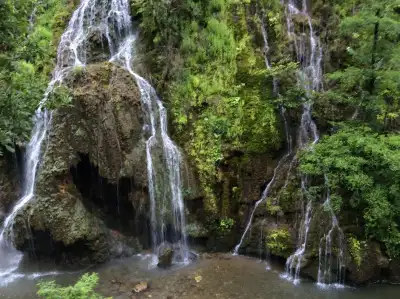
Blue Lake (Kuzalan Nature Park)
The only soda lake in the Black Sea region, located in Dereli district of Giresun. Blue Lake…
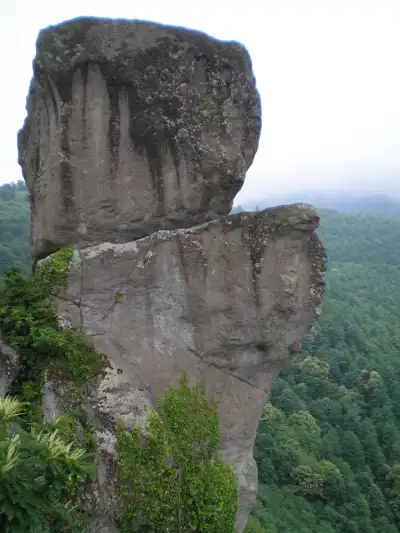
Gelin Kayası (Bride's Rock)
A natural formation consisting of two rock masses stacked on top of each other on a steep sl…
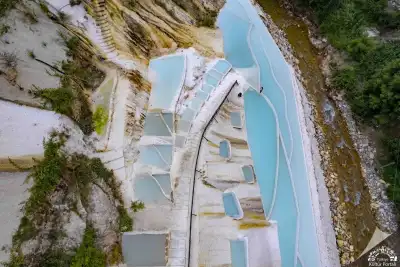
Dereli Kuzalan-Göksu Travertines
Turquoise-white terraced travertines located in Pınarlar Village, Dereli district of Giresun…
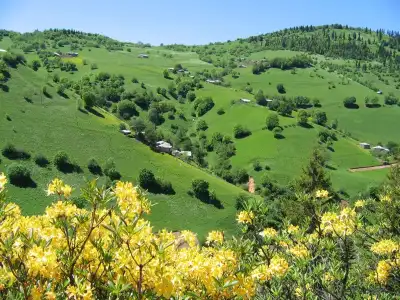
Kümbet Plateau
A plateau located in Giresun's Dereli district, high above sea level. With its grassy plains…
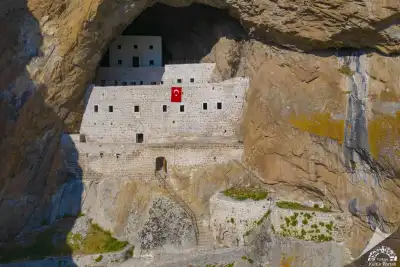
Meryem Ana Monastery
A four-story Byzantine-era monastery carved out of a single rock in Sarıyer Village, Şebinka…
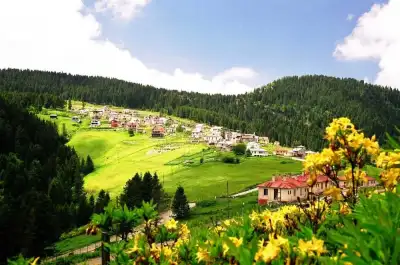
Kulakkaya Plateau
Kulakkaya Plateau, located at an altitude of 1500 meters in Giresun's Dereli district, is on…
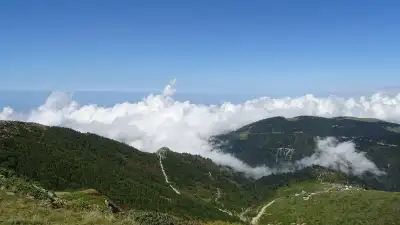
Sis Dağı Plateau
A plateau located on Ali Meydan Mountain, 2182 meters high, in the Görele district of Giresu…
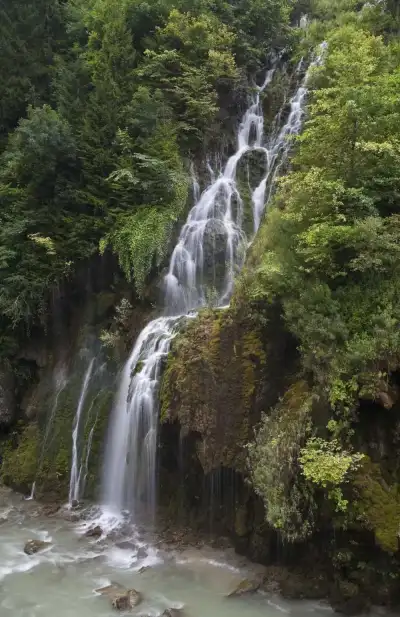
Dereli Kuzalan Waterfall
Located in Dereli district of Giresun, within Kuzalan Nature Park, this waterfall plunges ap…
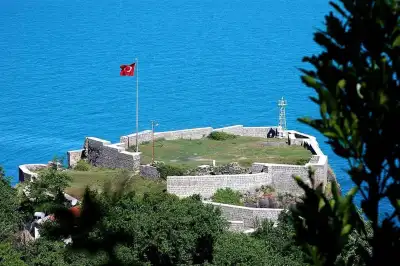
Giresun Castle
An ancient castle on top of the peninsula that divides Giresun, 100 meters above sea level. …
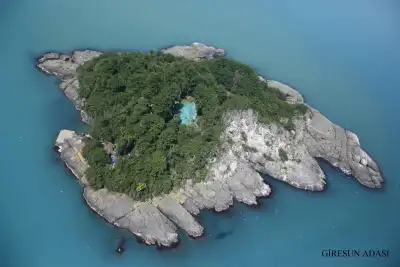
Giresun Island
The only inhabited island on the Black Sea coast: a historical stop 1.6 km off Giresun, reac…
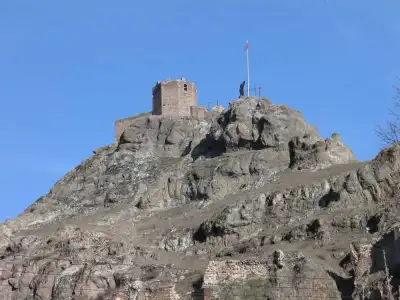
Şebinkarahisar Castle
Rising on Hacı Kayası in Giresun's Şebinkarahisar district, the castle is known for its pre-…
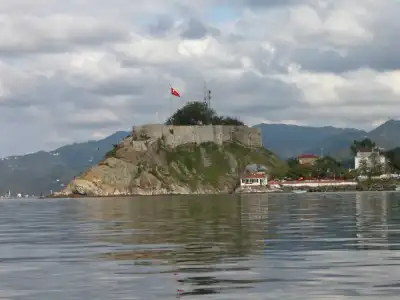
Tirebolu Castle
A castle rising on a small peninsula extending into the sea in the Tirebolu district of Gire…
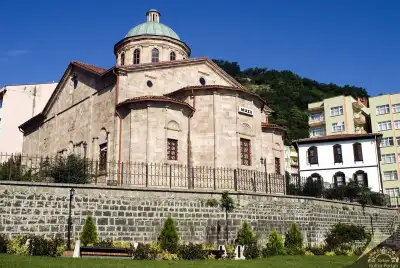
Giresun Museum (Gogora Church)
A museum housed in a 19th-century Greek church near the sea, at the eastern foot of Giresun …
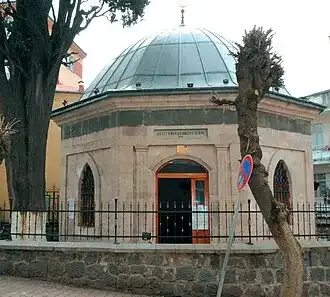
Seyyid Vakkas Tomb
An octagonal tomb built in 19th-century Ottoman architecture, located on Fevzi Paşa Street i…
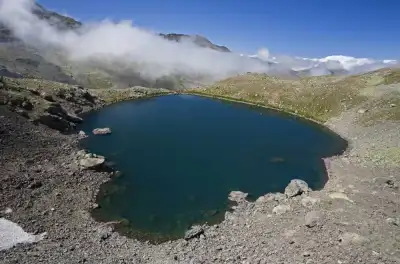
Karagöl Plateaus
A group of plateaus established around a glacial lake at the foot of the 3,107-meter Karagöl…
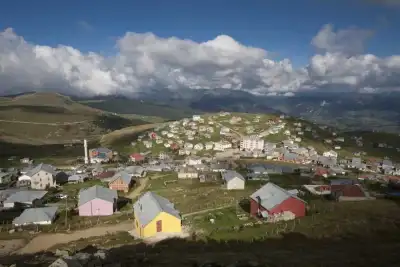
Bektaş Plateau
A plateau in Giresun's Dereli district, at an altitude of 2000 meters. Declared a tourism ce…
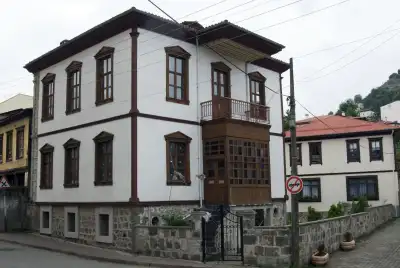
Zeytinlik Quarter
A third-degree urban protected area in Giresun city center, featuring houses from the 1840s …
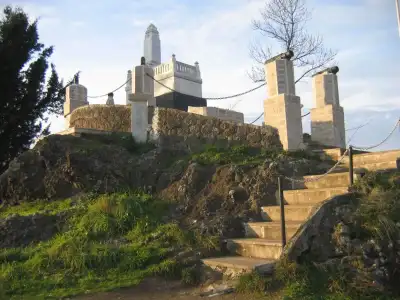
Topal Osman Ağa Memorial Tomb
Located within Giresun Castle, the memorial tomb of Topal Osman Ağa, one of the heroes of th…
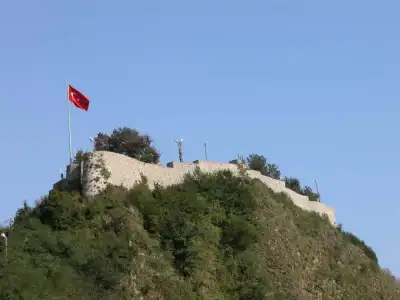
Espiye Andoz Castle
A small castle dating back to 1300 BC, located on a sharp hill beside the Yağlıdere Stream i…
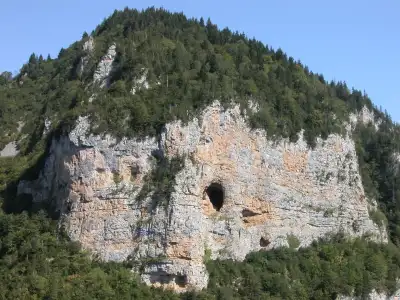
Şahin Kayası (Hawk Rock)
A first-degree natural protected area in Armutdüzü Village, Keşap, known for its natural map…
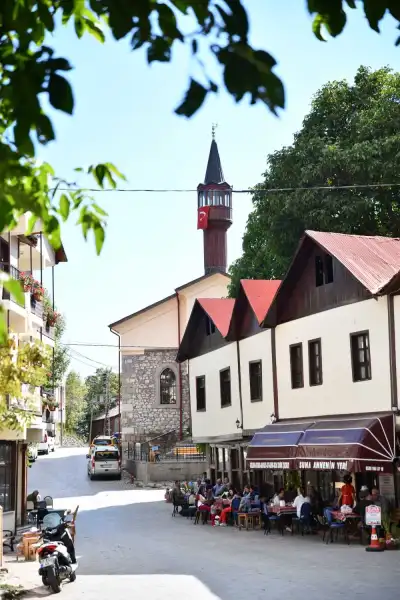
Şebinkarahisar Tamzara Neighborhood
Şebinkarahisar's historic neighborhood on the caravan route: restored stone houses, centurie…
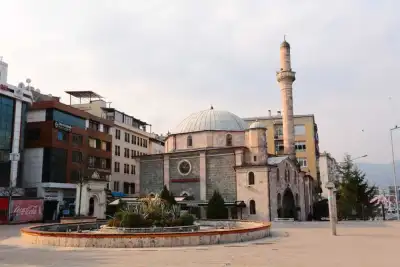
Hacı Miktad Mosque
An Ottoman mosque in Giresun square with inscriptions dating back to 1661, reflecting three …