
Discover the rich history and natural beauties of Afyonkarahisar through a full 5-day itinerary. From the mysterious rock settlements of Phrygia Valley to Seljuk monuments, from War of Independence memorials to verdant national parks - have the opportunity to explore every corner of the city. This route promises unforgettable memories for both history enthusiasts and nature lovers alike.
Afyonkarahisar, in the heart of Anatolia, offers a rich mosaic of history and nature spanning from the Phrygians to the Seljuks. This 5-day route transforms the city's most iconic points and hidden treasures into an enjoyable discovery, taking walking distances into account. If you're ready, let's delve into the depths of these ancient lands.
Phrygia - Goynus Valley
We dedicate our first day to Goynus Valley, one of the most impressive points of Phrygia Valley. This is the largest necropolis of Mountainous Phrygia. The rock tombs dating to the 7th century BCE, with their lion figures and geometric reliefs, showcase the craftsmanship of the period. The valley is not just a cemetery, but also a natural wonder with volcanic rock formations.
Aslantaş Rock Tomb Monument
As you explore Goynus Valley, you'll see Aslantaş, dating to the 8th-6th centuries BCE. Named after the majestic lion figures rising on both sides of the doorway, this monument stands among the most unique remains of Phrygia Valley. The Phrygians were known for their tradition of carving the dead and sacred areas into rocks to make them permanent.
Yilantaş
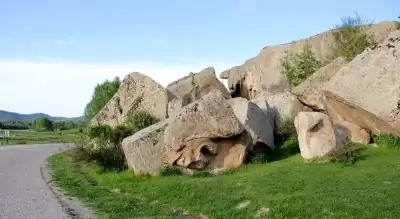
Just west of Aslantaş, Yilantaş is located on the continuation of the same rocky mass. This Phrygian rock tomb, with its fragmented triangular ceiling beams and external reliefs, carries strong traces of stone craftsmanship in Phrygian civilization. Although weathered over time, it still maintains an impressive appearance.
Avdalaz Castle
Avdalaz Castle, rising northwest of Ayazini village, is one of the most impressive stops in Phrygia Valley with its rock-carved tunnels and multi-story spaces used since the Phrygian period. The transformation of a massive tuff rock through carving into a multi-story settlement area attracts visitors' attention.
Ayazini Archaeological Site (Metropolis)
Ayazini Archaeological Site, located in the heart of Phrygia Valley, is a rock settlement bearing traces of a deep history spanning from the Phrygians to the Byzantines. With its rock-carved houses, churches, and tombs, it is among Turkey's most unique archaeological sites. Visitors particularly love the structures created by hollowing out the rock with stairs leading to each level.
Ağın Rocky Areas
The Ağın Rocky Areas, which you can reach with a short walk from Ayazini, is a volcanic nature area composed of tuff and andesite rocks. This area, shaped by the carving of volcanic rocks, is an interesting exploration point from both geological and archaeological perspectives. It offers a unique experience with its quiet and undiscovered atmosphere.
On the second day, we will discover another face of Phrygia Valley. Our route, starting with Döğer Archaeological Site and fairy chimneys, will continue with spiritual stops.
Phrygia Valley - Döğer Archaeological Site
This archaeological site, stretching around the town of Döğer, is one of Anatolia's most mysterious open-air museums, featuring rock settlements, tomb chambers, monuments, and churches carved by the Phrygians into the rocks. The natural beauties with Emre Lake and fairy chimneys are equally impressive.
Phrygia Valley Fairy Chimneys
Located around Seydiler village, the Phrygia Valley Fairy Chimneys captivate visitors with volcanic tuff formations that rival Cappadocia. These natural sculptures, rising in different shapes and sizes over an area of approximately 1-2 square kilometers, present a landscape interwoven with traces of 3,000-year-old Phrygian civilization.
Karacaahmet Sultan Mausoleum
After Phrygia Valley, we take a spiritual break at Karacaahmet Sultan Mausoleum. This mausoleum dedicated to Geylani-i Sani, descended from Gavs-ı Azam Abdülkadir Geylani, is said to have migrated from Khorasan to Anatolia during the Mongol invasion. It holds deep significance in Alevi culture. Visitors find peace and tranquility here.
Hayran Veli Sultan Mausoleum
Located in the town of Kayihan, Hayran Veli Sultan Mausoleum is dedicated to a Khorasan saint and folk healer thought to have lived in the 13th-14th centuries. Adjacent to a mosque, the mausoleum creates a spiritual unity and is visited to seek healing and pray. It stands out with its dual dome architecture and historic stone craftsmanship.
On the third day, we will visit the historic structures from the Seljuk and Ottoman periods in Afyonkarahisar.
Ishaklı Han (Sahip Ata Caravanserai)
Ishaklı Han, the largest caravanserai in Afyonkarahisar, was commissioned in 1249 by Anatolian Seljuk vizier Sahip Ata Fahrettin Ali. Located on the Akşehir-Afyon highway in Sultandağı district, the structure is one of the unique examples of Seljuk han architecture, with its monumental gates and summer-winter sections.
Sultandağı Caravanserai (Sahipata Caravanserai)
Located at the same position as Ishaklı Han, Sultandağı Caravanserai is one of the unique examples of Anatolian Seljuk architecture with its open courtyard layout. Standing in the district center right next to Çarşı Mosque, this historic structure silently witnesses the trade routes of centuries past.
Ebheri Turbe
Rising within a cemetery in the town of Eber, Ebheri Turbe is one of the architectural structures dating to the second half of the 13th century from the Anatolian Seljuk period. With its octagonal body and stone and brick craftsmanship, it is a quiet yet impressive witness to the Seljuk heritage of the region.
Kırkgöz Bridge
Rising over the Akarçay in Bolvadin district, Kırkgöz Bridge is one of Anatolia's oldest and longest stone bridges, built in 1150. With its 400-meter length and 60 arches, this giant structure standing on the Ancient Royal Road is a silent witness to deep history spanning from Byzantium to the Ottoman period.
Dört Göz Bridge
Rising over the Kali Stream in Şuhut district, Dört Göz Bridge is a sturdy stone bridge from the Ottoman period that has reached modern times. The two central arches of the structure extending in the north-south direction are larger than those on the sides; the round arches and arch ribs reflect the architectural understanding of the period.
On the fourth day, we focus on historic and spiritual stops around Bolvadin and Emirdağ.
Abdülkadir Geylani Mausoleum
Located in Bolvadin district, Abdülkadir Geylani Mausoleum, dedicated to Geylani-i Sani descended from Gavs-ı Azam Abdülkadir Geylani, is a place of great spiritual significance. It is a stop for those seeking healing.
Bolvadin Museum
Bolvadin Museum showcases the region's layered history with archaeological and ethnographic artifacts spanning a wide time period from the Early Bronze Age to the Republic era. It also features traditional bride and living room arrangements.
Yedikapılar Rock Settlement
Located near Kemerkaya village, Yedikapılar Rock Settlement is one of the region's most interesting historical areas, with rooms, corridors, ventilation shafts, and underground shelters carved into rocks during the Byzantine period between the 8th-10th centuries.
Amorium Ancient City
Located in Hisar Village, part of Emirdağ district, Amorium is an ancient city that has hosted seven civilizations from the Hittites to the Ottomans. During the Byzantine period, it was the empire's second most important city after the capital Constantinople. It continues to reveal the layers of history through active excavation work.
Suvermez Martyrs' Cemetery
Located in Suvermez Village, part of Emirdağ district, this martyrs' cemetery is dedicated to the memory of soldiers who lost their lives as a result of fire from enemy reconnaissance aircraft during the War of Independence. It is one of the quiet and profound witnesses of national history.
On our fifth and final day, we will explore the Şuhut and Sandıklı regions south of Afyonkarahisar and their natural beauties.
Bininler Rock Houses
Hidden in hilly terrain west of Senir village in Şuhut district, Bininler Rock Houses is an impressive open-air settlement area consisting of rock-carved dwellings, tomb chambers, and churches from the Late Roman and Byzantine periods. It has become a favorite of photographers and history enthusiasts.
Sandıklı Grand Mosque
Located in Sandıklı district, the Grand Mosque is a well-established Turkish-Islamic monument built in 1379 during the Germiyanoğulları period. With its square plan, single dome structure, and unique decorations, it represents the district's oldest and most valuable religious heritage.
Yunus Emre Mausoleums – Afyonkarahisar
Two separate Yunus Emre mausoleums, located within Afyonkarahisar's borders in Döğer Town and Sandıklı district, offer a profound spiritual journey for those wishing to follow the trail of Anatolia's most beloved Sufi poet.
Kuzu Ini Cave
Located approximately 7 kilometers from Balçıkhisar town in Şuhut district, Kuzu Ini Cave is a natural beauty awaiting discovery, positioned in the upper section of Karacamal Cave. With the region's quiet and untouched atmosphere, it offers nature lovers a unique cave experience.
Akdağ National Park
Located in Sandıklı district, Akdağ National Park is registered as Turkey's 49th National Park. With wild horses, deer, lush forests, and crystal-clear water sources, it is an indispensable destination for nature lovers. It offers many activities such as camping, trekking, and photo safari.
During five days in Afyonkarahisar, you can both delve into the depths of history and enjoy nature. There are many restaurants in the city center where you can taste local flavors. Private vehicles are recommended for transportation, but some sites are also accessible by public transport or taxi. Don't forget to bring comfortable shoes for your travels.
This content originates from neresigezilir.com.tr and may not be copied without permission.
Places in This Article
Places to visit mentioned in this article

Abdülkadir Geylani Tomb
Located in Şıhlar Neighborhood of Bolvadin district in Afyonkarahisar, the Abdülkadir Geylan…
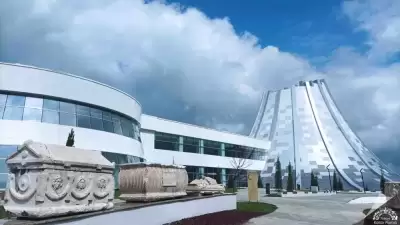
Afyonkarahisar Museum
Afyonkarahisar Museum is a comprehensive cultural treasure offering 8,500 years of history, …

Ağın Rocks
Ağın Rocks, located near Olukpınar village in the İscehisar district of Afyonkarahisar, is a…
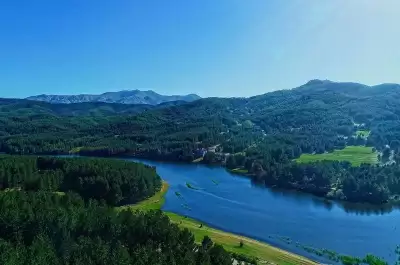
Akdağ National Park
Akdağ National Park, located in the Sandıklı district of Afyonkarahisar, is a natural area r…

Amorium Ancient City
Located in Hisar Village, Emirdağ district of Afyonkarahisar, Amorium is an ancient city tha…

Anıtkaya Caravanserai (Eğret Caravanserai)
Eğret Caravanserai, located in Anıtkaya Village, part of Afyonkarahisar city center, is a cu…
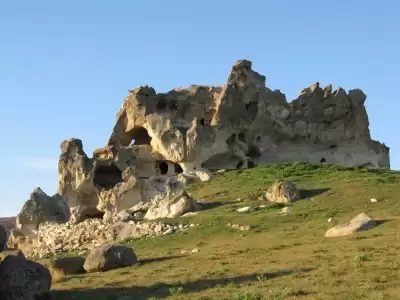
Asar Castle
Asar Castle, located in the İhsaniye district of Afyonkarahisar, is the remnant of an import…

Aslantaş Rock Tomb Monument
Aslantaş, located near Döğer Town in the İhsaniye district of Afyonkarahisar, is an impressi…
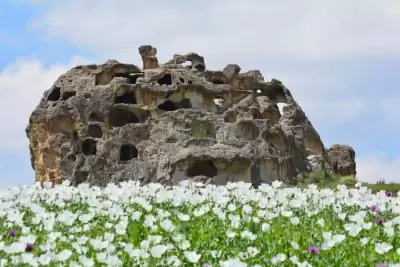
Avdalaz Castle
Rising northwest of Ayazini village in Afyonkarahisar's İhsaniye district, Avdalaz Castle is…

Ayazini Ancient City (Metropolis)
Ayazini Ancient City, located in the heart of the Phrygian Valley in the İhsaniye district o…

Bayramaliler Castle
Bayramaliler Castle, located between Döğer town and Bayramaliler village in the İhsaniye dis…

Bininler Rock Houses
Hidden approximately 4 km west of Senir village in the Şuhut district of Afyonkarahisar, in …

Böcü İnleri Church
Böcü İnleri Church, located in Kıyır Village, İhsaniye district of Afyonkarahisar, is an ear…

Bolvadin Museum
Located in the Bolvadin district of Afyonkarahisar, this municipal museum showcases the laye…
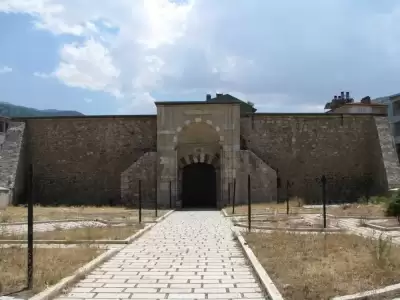
Çay Caravanserai (Taşhan)
Taşhan, located in the Çay district of Afyonkarahisar, was built by the Anatolian Seljuk Sul…
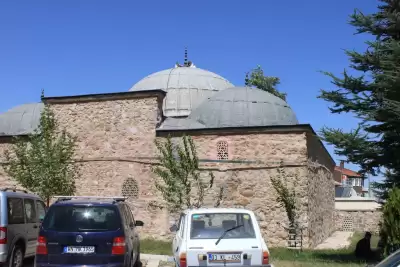
Çay Taş Madrasah
Located in the Çay district of Afyonkarahisar, Taş Madrasah is a historical building constru…

Republic Martyrs' Cemetery
Located approximately 9-10 km from Afyonkarahisar city center, on the İzmir-Antalya highway,…

Demirli Castle
Rising northwest of Göynüş Valley in Afyonkarahisar's İhsaniye district, Demirli Castle is o…
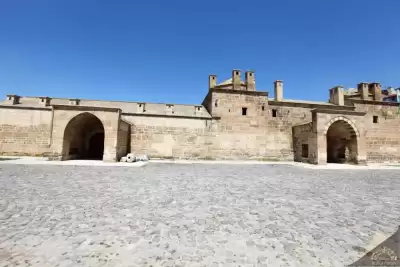
Doğer Caravanserai
Located in Doğer Town, part of Afyonkarahisar's İhsaniye district, Doğer Caravanserai is a d…

Dört Göz Bridge
Rising over the Kali Stream in the Şuhut district of Afyonkarahisar, Dört Göz Bridge is a st…
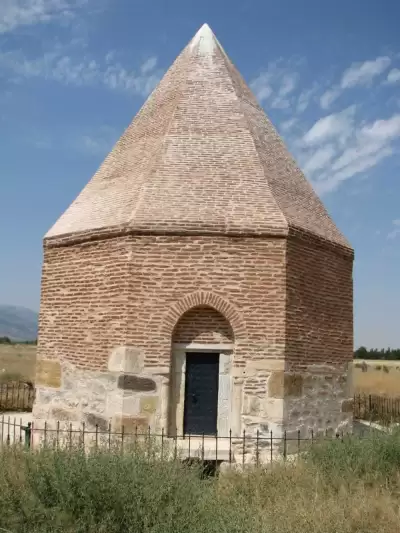
Ebheri Tomb
Rising within the cemetery in Eber town, part of Afyonkarahisar's Çay district, the Ebheri T…

Elicek Rock Tombs and Rock Dwellings
Located in the Ericek area near Derbent village, part of Afyonkarahisar's Bayat district, th…

Phrygian Valley - Döğer Ancient City
Stretching around the town of Döğer in Afyonkarahisar's İhsaniye district, this ancient site…
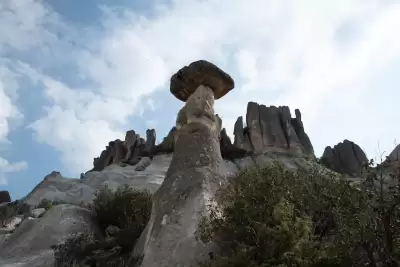
Phrygian Valley Fairy Chimneys
Located around Seydiler village in the hsaniye district of Afyonkarahisar, the Phrygian Vall…

Phrygia - Göynüş Valley
Göynüş Valley near Afyonkarahisar hosts the largest necropolis of Mountainous Phrygia. Datin…

Gedik Ahmet Pasha Mosque (Imaret Mosque)
Rising on Kurtuluş Street in Afyonkarahisar, Gedik Ahmet Pasha Mosque was built in 1472 by G…

Giresun Martyrs' Cemetery
Located at the foothills of Dede Sivrisi Hill in Doğanlar Village, İscehisar district of Afy…

Air Martyrs' Cemetery – Afyonkarahisar
Located within Afyonkarahisar Asri Cemetery, the Air Martyrs' Cemetery is a historical memor…

Hayran Veli Sultan Tomb
The Hayran Veli Sultan Tomb, located in the Kayıhan town of Afyonkarahisar's İhsaniye distri…
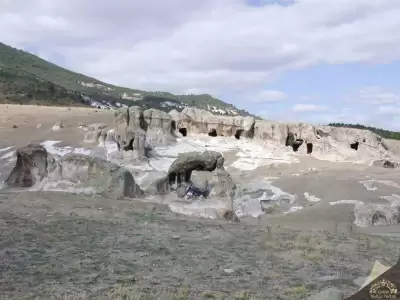
İnpazarcık Rock Settlement
Located approximately 5 km from Bayat district of Afyonkarahisar, İnpazarcık Rock Settlement…

İshaklı Han (Sahip Ata Caravanserai)
İshaklı Han, the largest caravanserai in Afyonkarahisar, was built in 1249 by Sahip Ata Fahr…

Karacaahmet Sultan Tomb
Located in Karacaahmet Town, part of Afyonkarahisar's İhsaniye district, this tomb belongs t…

Kırkgöz Bridge
Rising over the Akarçay River in Bolvadin district of Afyonkarahisar, Kırkgöz Bridge is one …

Kuzu Ini Cave
Kuzu Ini Cave, located approximately 7 kilometers from Balçıkhisar town in the Şuhut distric…
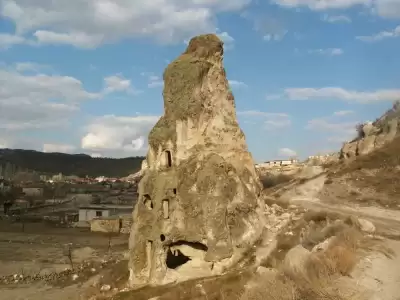
Stork Rock (Leylek Kayalığı)
Located in the Harmanüstü area of Seydiler town, part of Afyonkarahisar's İscehisar district…
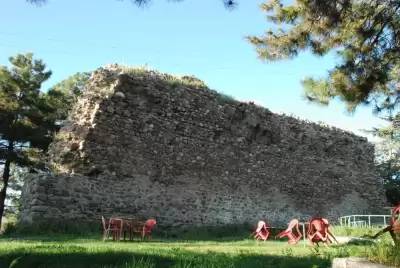
Sandıklı Castle
Rising in Hisar Neighborhood, in the center of Sandıklı district of Afyonkarahisar, Sandıklı…

Sandıklı Grand Mosque
The Grand Mosque, located in the Sandıklı district of Afyonkarahisar, is a venerable Turkish…

Selimiye Rock Tombs
Located near Selimiye (Sarıçayır) Village in the İscehisar district of Afyonkarahisar, the S…

Seydiler Castle Rock Settlements
Located in Seydiler town, part of Afyonkarahisar's scehisar district, these volcanic tuff ro…
Suçıkan Park
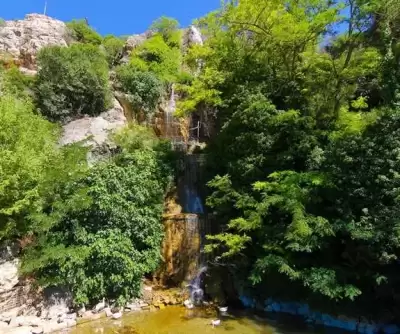
Suçıkan Park, located in the center of Dinar district of Afyonkarahisar, is one of the indis…

Sultandağı Caravanserai (Sahipata Caravanserai)
Located in the Sultandağı district of Afyonkarahisar, the Sahipata Caravanserai, built in 12…

Suvermez Martyrs' Cemetery
Located in Suvermez Village, Emirdağ district of Afyonkarahisar, this cemetery is dedicated …

Taş Medrese (Gedik Ahmet Pasha Madrasah)
Located in the heart of Afyonkarahisar, Taş Medrese, built in 1472 by Gedik Ahmet Pasha, viz…

Urumkuş Rocks
Located near Döğer town in Afyonkarahisar's İhsaniye district, among the extraordinary rock …

Yedikapılar Rock Settlement
Located near Kemerkaya village in Bolvadin district of Afyonkarahisar, Yedikapılar Rock Sett…
Yılantaş
Yılantaş, a significant Phrygian rock tomb, is hidden deep within the Göynüş Valley in the İ…

Yunus Emre Tombs – Afyonkarahisar
Two separate Yunus Emre tombs located within the borders of Afyonkarahisar, in Döğer Town an…
Yunus Emre Tomb
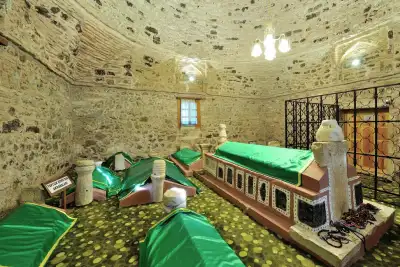
Located amidst pine forests in the Gönen district of Isparta, this tomb is believed to house…
Bu yazıyı paylaş