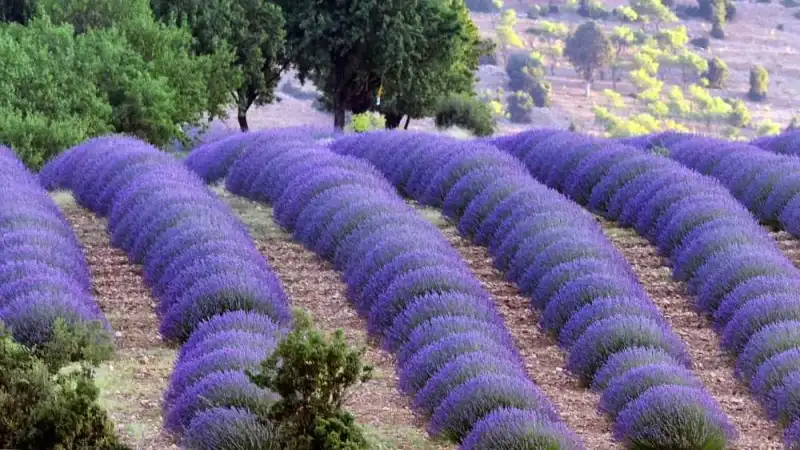
This 2-day itinerary in Isparta blends the famous lavender fields with ancient sites, historical buildings, and serene lake views. Experience both the natural beauty and cultural heritage of the city, from fragrant fields to the historic shores of Lake Eğirdir.
Isparta is a city renowned for its lavender fields, yet it also holds ancient cities, historical structures, and lake vistas. In this two-day itinerary, you'll experience both the natural beauty and cultural heritage of the city. While the first day captivates you with the purple charm of lavender fields and the scent of roses, the second day invites you to explore the historical fabric around Lake Eğirdir.
Kuyucak Village Lavender Fields
Kuyucak Village, in Isparta's Keçiborlu district, accounts for a significant portion of Turkey's lavender production. This area, spanning approximately 5,000 decares, turns purple in early July, filling the air with the scent of lavender. There are many spots where you can take photos for free against the backdrop of Lake Burdur. You can buy lavender products from roadside facilities, and if you happen to visit during the festival in July, you can participate in various activities. Visiting early in the morning is a good idea to enjoy the fields before the crowds arrive.
Güneykent Town
After Kuyucak, turn your route towards the scent of roses. Güneykent, 40 km from Isparta and 13 km from Gönen, is one of the province's important rose production centers. During the harvest season in late May and early June, you might have the opportunity to participate in rose picking in the gardens. The town is also known for its handicrafts like needle lace and flat weaving; you can browse small shops for local products. It's a peaceful town surrounded by nature.
Yunus Emre Tomb
Not far from Güneykent, in the Gönen district, you can visit the Yunus Emre Tomb, located amidst pine forests. This octagonal, tiled structure is believed to house the graves of Yunus Emre, Taptuk Emre, and Buharalı Sinan Efendi. It has a peaceful atmosphere; you can take a short walk in the forest and enjoy the dam lake view.
Uluborlu Castle
The last stop of the first day is Uluborlu Castle, rising on a hill at the foot of Kapıdağı, surrounded by cliffs on three sides. Dating back to the 4th century BC, the castle's ramparts, entrance gate, and a defensive tower have survived to this day. It underwent renovations during the Byzantine, Seljuk, and Hamidoğulları Beylik periods. From here, you can enjoy a wide panoramic view of Uluborlu district and Lake Eğirdir in the distance. The view is especially beautiful closer to sunset.
The second day begins in the heart of Eğirdir. Get ready to explore the city's historical fabric, narrow streets, and lakeside life.
Dündarbey Madrasah
Located right within Eğirdir's bazaar, adjacent to the city walls, Dündarbey Madrasah is a Seljuk-Hamidoğulları structure dating back to 1301-1302. Also known as Taşmedrese, this madrasah stands out with its Seljuk muqarnas archway and arcaded courtyard. There's a rose coffee shop in the courtyard where you can take a break and browse products from the women's cooperative. Admission is free, and it's next to Hızır Bey Mosque.
Hızır Bey Mosque
Adjacent to Dündarbey Madrasah, Hızır Bey Mosque, also known as Ulu Cami, is a significant place of worship from the Seljuk-Beyliks period, with wooden columns and stone walls, although its exact construction date is debated. Its kündekari craftsmanship and plain ceiling reflect the architecture of its era. The minaret is built atop the castle walls, offering clues to the structure's defensive past.
Aya Stefanos (Yeşilada) Church
Aya Stefanos Church, located on Yeşilada in Lake Eğirdir, is a three-nave structure built by the Greek Orthodox community in the second half of the 19th century. It features rubble stone walls and a semi-circular apse. Although the church is often closed, you can admire its architecture from the outside and enjoy a pleasant walk through Yeşilada's tranquil streets. The island is also famous for its small cafes and fish restaurants.
Akpınar Village Observation Terrace
After Yeşilada, head to Akpınar Village Observation Terrace, 7 km from Eğirdir. From here, the panoramic view of Lake Eğirdir, Yeşil and Can islands, Boğaz Ova, and the distant Barla and Anamas mountains is spectacular. You can sip tea and eat gözleme at breakfast spots in Yörük tent style, and see the starting point of the hiking trail to Prostanna Ancient City. It's an ideal spot for a relaxing break with a view.
Lake Eğirdir
Descend to the lakeside and enjoy Lake Eğirdir, Turkey's fourth-largest and second-largest freshwater lake. This tectonic lake, nestled between the Sultan Mountains and Karakuş Mountains, is captivating with its color changing from turquoise to deep blue. You can relax on public beaches, spend time in lakeside picnic areas, or go birdwatching. Conclude your route with this natural beauty that Eğirdir offers.
On this two-day route in Isparta, your journey starting with the scents of lavender and roses will end with ancient traces and lakeside tranquility. In Eğirdir, you can find many restaurants offering local flavors and consider trying lake fish. If you don't have your own car, you can use taxis or minibuses for transportation within the city. Especially during the lavender season, it is recommended to make accommodation and tour reservations in advance.
This content originates from neresigezilir.com.tr and may not be copied without permission.
Places in This Article
Places to visit mentioned in this article
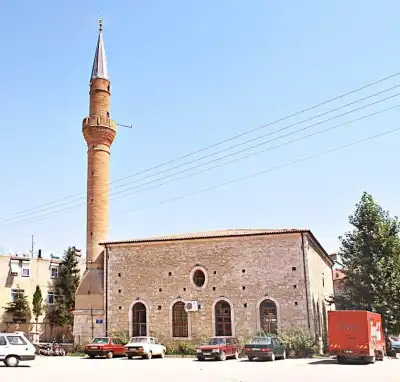
Abdülgaffar Mosque
Abdulgaffar Camii in the center of Gelendost, with its 1878 dated inscription, is a small bu…

Akpınar Village Observation Terrace
A village observation point 7 km from Eğirdir, offering panoramic views of the lake and isla…
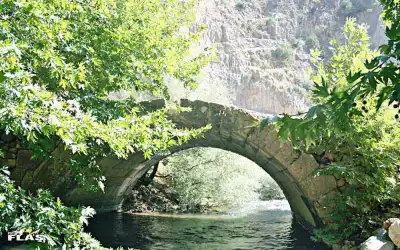
Aksu Zindan Roman Bridge
A single-arched Roman bridge over the Köprüçay River, flowing in front of Zindan Cave in Aks…
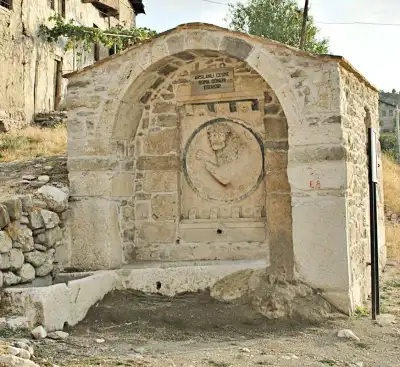
Aslanlı Çesme
A stone fountain dating to the Roman period located in the Eski Kasaba neighborhood of Ulubo…
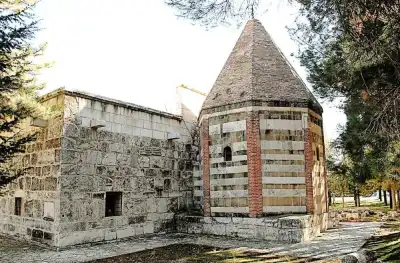
Atabey Ertokuş Tomb
An octagonal Seljuk tomb adjoined to the west wall of Ertokuş Madrasa. Built alongside the m…
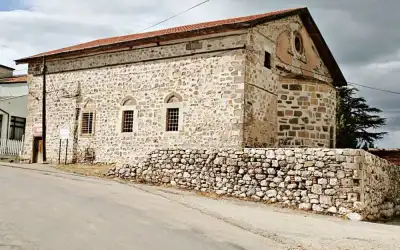
Aya Stefanos (Yeşilada) Church
A three-nave church built in the mid-19th century by the Greek Orthodox community on Yeşilad…
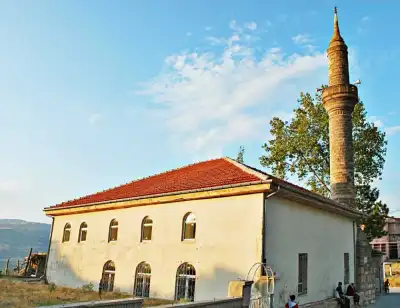
Bülbül Mosque (Alemdar Mosque)
A small 16th-century Ottoman mosque in Uluborlu's Eski Kasaba area, built with spolia stones…

Can Island
A small islet of 7 decares between Eğirdir and Yeşilada. No construction; just picnic areas …
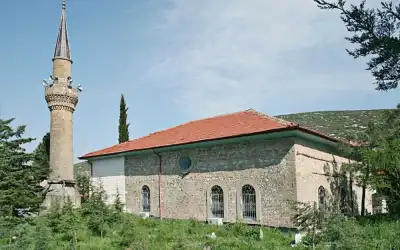
Dalboyunoglu Mosque
A mosque built from rubble stone in 1709 in the Sav District of Isparta. With its rectangula…
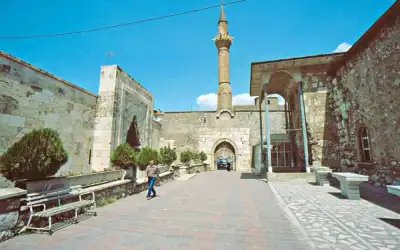
Dündarbey Madrasah
A Seljuk-Hamidid madrasah from 1301-1302, adjacent to the city walls in Eğirdir bazaar. It s…
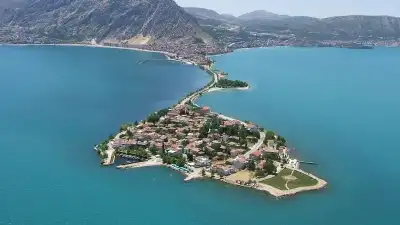
Lake Eğirdir
Turkey's fourth largest lake, located in Eğirdir district of Isparta. With Yeşilada, public …
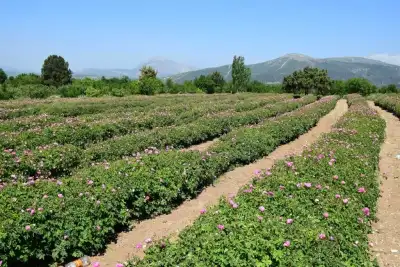
Güneykent Town
Located 40 km from Isparta and 13 km from Gönen, Güneykent is one of the main rose-producing…
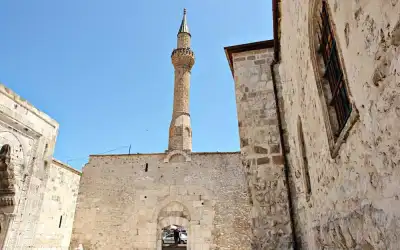
Hızır Bey Mosque
A Seljuk-Beyliks period mosque with wooden pillars, whose exact construction date is uncerta…

Hızır Bey Mosque
A small Seljuk-Ottoman transitional mosque built in 1439 by Hızır Bey, grandson of Nasreddin…
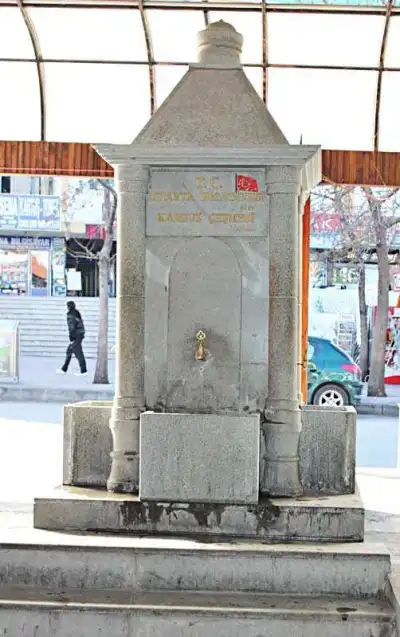
Karbuz Fountain
A historic fountain from 1768 on Mimar Sinan Street in the center of Isparta. Rebuilt in mar…
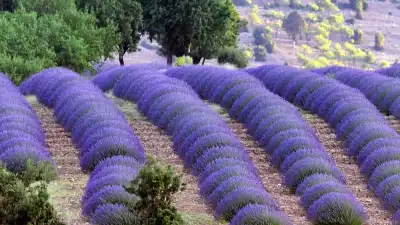
Kuyucak Village Lavender Fields
Kuyucak Village, located in the Keçiborlu district of Isparta, accounts for a large portion …
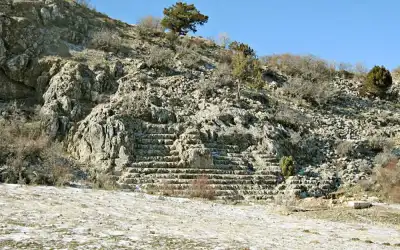
Malos Ruins
Hellenistic and Roman period remains on a hilltop at Göynücek Gorge near Sarıidris town in E…
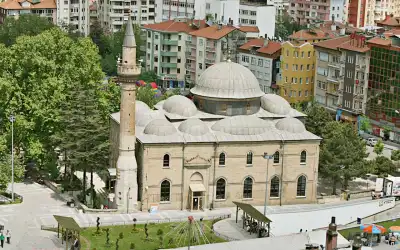
Grand Mosque / Cami-i Kebir (Kutlubey Mosque)
Kutlubey Camii in the center of Isparta takes its name from the Ottoman commander Kutlubey. …
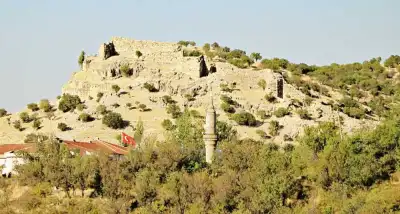
Uluborlu Castle
The remains of a castle in Uluborlu district of Isparta, dating back to the 4th century BC. …
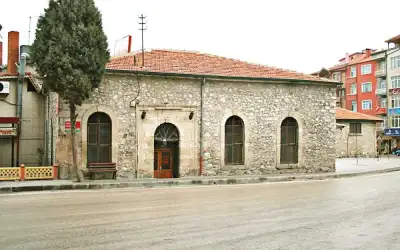
Yenihamam (Dalboyunoglu Hamami)
A historic bath built in 1697 next to the Grand Mosque in the center of Isparta. Women's and…
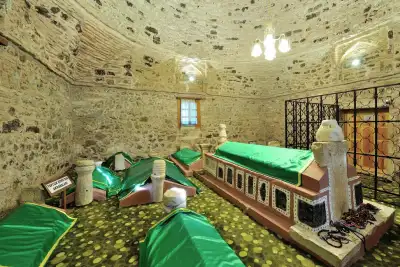
Yunus Emre Tomb
Located amidst pine forests in the Gönen district of Isparta, this tomb is believed to house…
Bu yazıyı paylaş