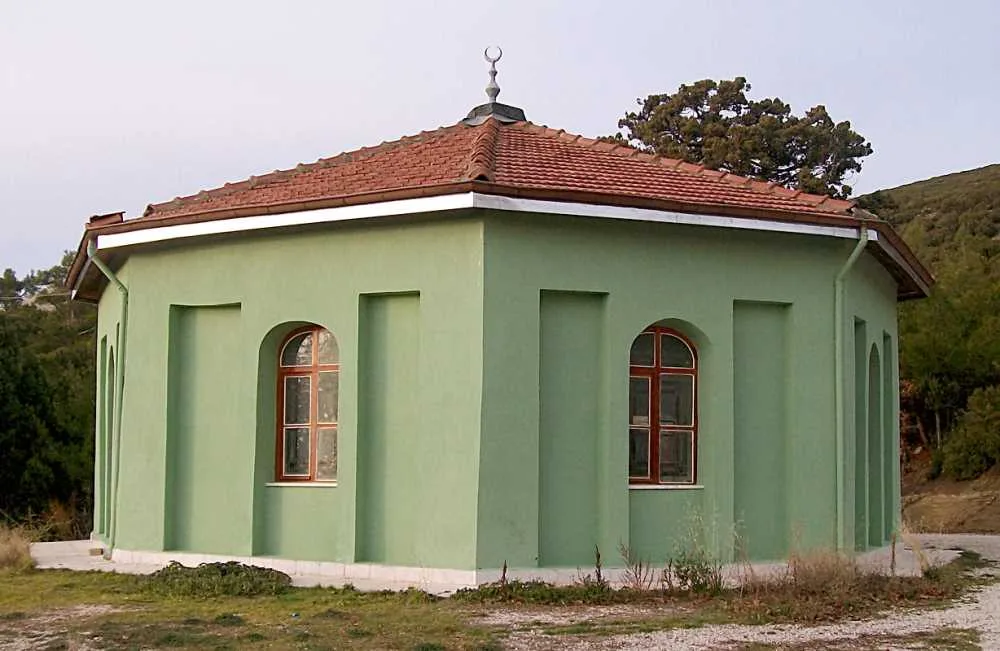
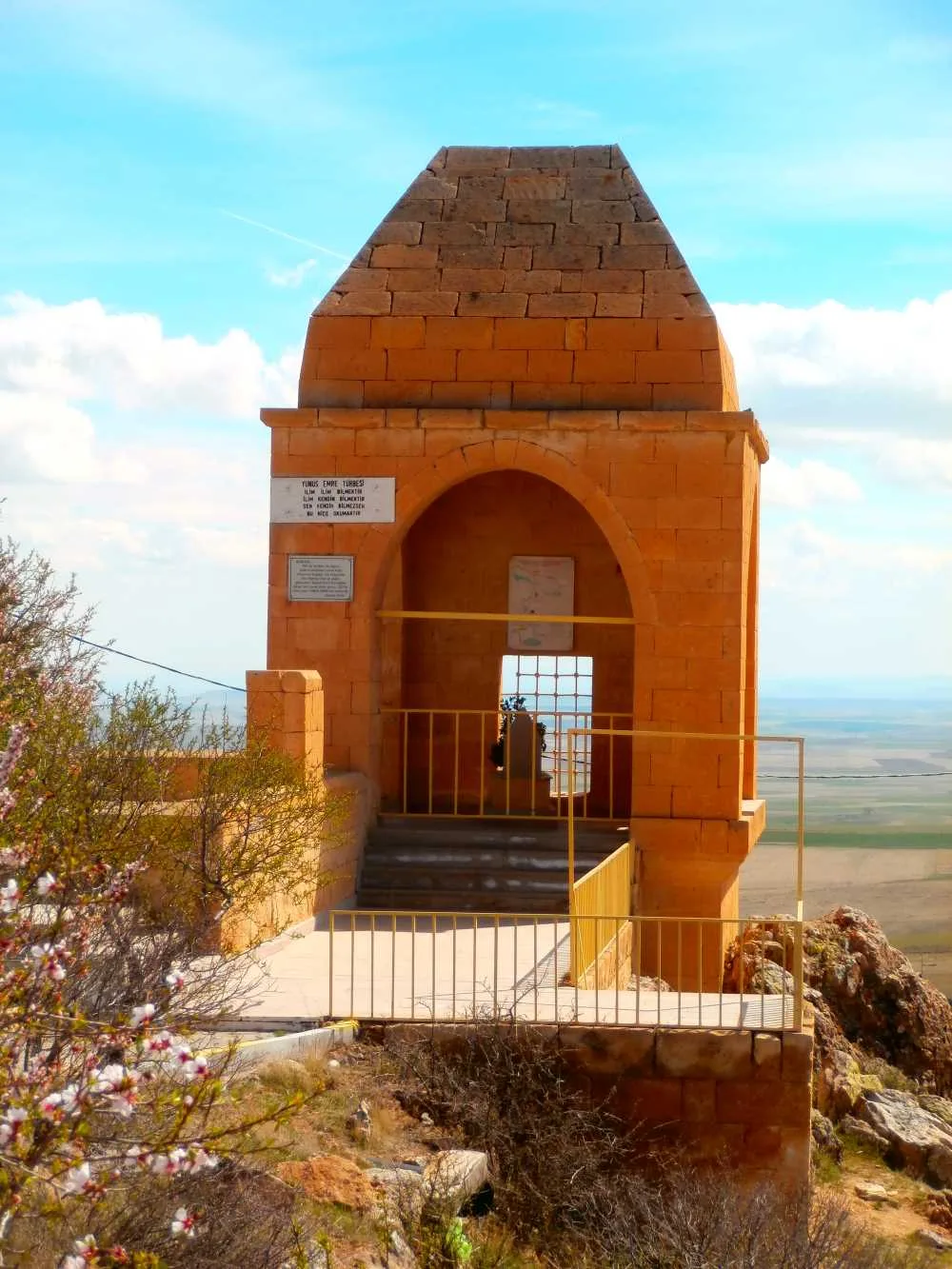
Yunus Emre Tomb in Isparta, Türkiye, is a free octagonal-roofed structure housing the believed remains of the 13th-century Sufi poet, set within serene pine forests east of Gönen district.
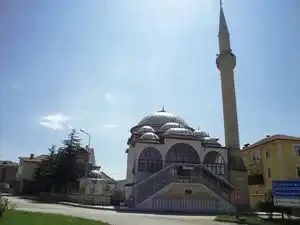
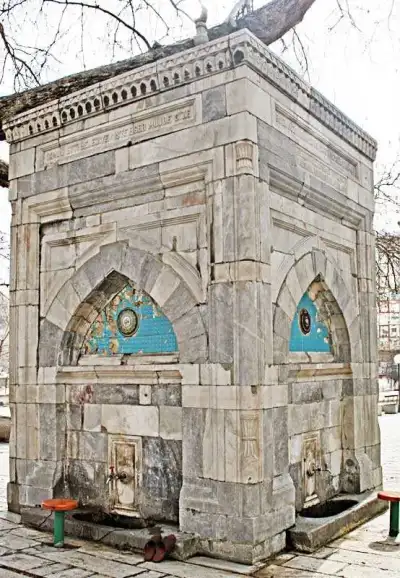
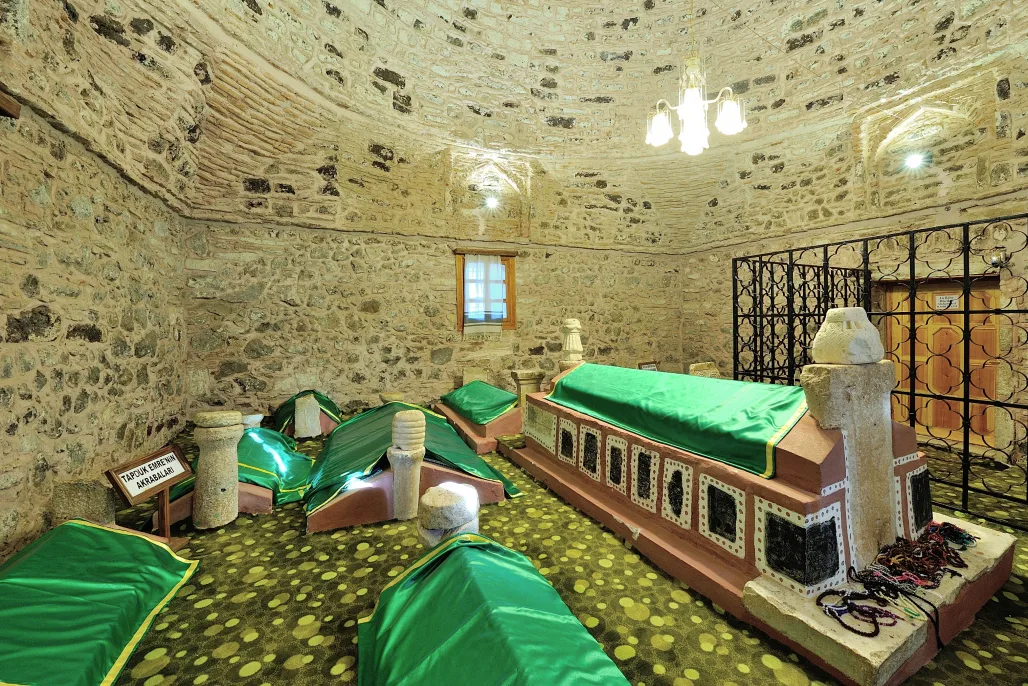
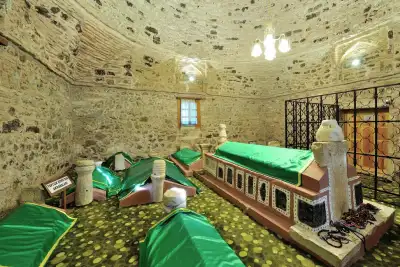
One of the tombs believed to belong to Yunus Emre stands amidst pine forests east of the Gönen district in Isparta. Featuring an octagonal plan, tiled roof, and lead finial, the structure is located in the Manastır Neighborhood (formerly Pazar Neighborhood). Starting from the entrance on the right side, you can find the tombs of Yunus Emre, Taptuk Emre, Buharalı Sinan Efendi, and the foundation's founder, Sheikh Sadettin Efendi, lined up in order.
The actual burial place of Yunus Emre remains a subject of debate among historians, with several tombs attributed to him across Anatolia. This tomb in Isparta is a place of pilgrimage embraced by local residents for centuries. Visitors reach the site from the east of the cemetery at the foot of Erenler Hill; many note that regardless of whether it is his true resting place, they visit simply to offer a spiritual prayer.
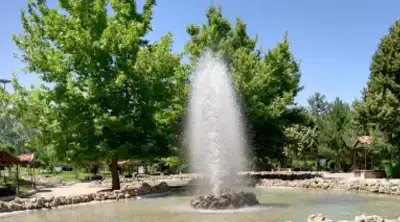
The common highlight among visitor reviews is the serenity of the area. Travelers write that the forest and tree-lined path offer a sense of peace even before reaching the tomb itself. One visitor notes that passing Gönen, crossing the dam, and advancing through the forest combines the view of the pond with the spiritual ambiance of the tomb. However, caution is advised regarding navigation: GPS apps sometimes direct drivers onto dirt farm tracks, so it is safer to stick to the paved road and follow the signs posted from Güneykent onwards.
Guide's Note
Best Time to Visit
The tomb is open to visitors year-round, but walking through the pine forest is most enjoyable in spring and autumn. To avoid the summer heat, visiting early in the morning is a more comfortable option. Road conditions can change in winter, so it is advisable to check the state of the paved road in advance, especially on snowy days.
How to Get There
Take the road from Isparta toward Denizli and follow the signs for Gönen. A common warning in visitor reviews is that mapping apps sometimes redirect drivers onto rough farm roads. Instead, stay on the paved asphalt road to Güneykent and follow the directional signs posted leading up to the cemetery for a more reliable route. Having your own vehicle is practically essential, as public transportation options are limited in this area.
How Much Time to Budget
Visiting the tomb itself takes about 30–45 minutes. If you include the trail walk through the pine forest, plan for a 1–2 hour relaxing break. It makes sense to allow extra time if you wish to extend your walk to the nearby dam lake.
Combining with Nearby Stops
The tomb makes a great stop during a trip around the Gönen and Güneykent area. As noted by visitors, the scenery of the nearby reservoir lake combined with the spiritual setting of the tomb rounds off a day nicely. Rather than squeezing it into a busy schedule with historical sites in central Isparta, planning it as a relaxed half-day excursion offers a much better experience.
Things to Keep in Mind
Road conditions are the most frequently mentioned point by visitors. Following physical signs rather than relying entirely on GPS navigation will prevent unnecessary lost time. Reviews also mention that certain stretches of the road are rough, so take extra care, especially when driving a low-clearance sedan. The tomb is a small, modest structure; visiting with the expectation of a peaceful site rather than a large complex or crowded tourist attraction will set the right mood.
Photo Spots
The forest trail leading to the tomb is lined with trees on both sides, making the path a photo stop in its own right. The view while passing the reservoir lake is another popular shot shared by visitors. The octagonal design of the tomb and its lead-covered finial offer a humble yet characteristic architectural detail.
The Story of the Tomb
There is no definitive evidence regarding the exact location of Yunus Emre's true grave, and several tombs across Anatolia are attributed to him. Local residents adopted this tomb in Isparta based on historical records by Bursalı İsmail Hakkı. It is said that the surrounding forest was historically called 'Manastır' (derived from 'mana-sır', secret of meaning). Most visitors state that regardless of historical certainty, they come here to offer prayers and pay their respects.
This content originates from neresigezilir.com.tr and may not be copied without permission.
Yunus Emre Tomb Videos
Yunus Emre Tomb videos load when you open this section to keep the page fast.
Show videos
FAQ

Updated: