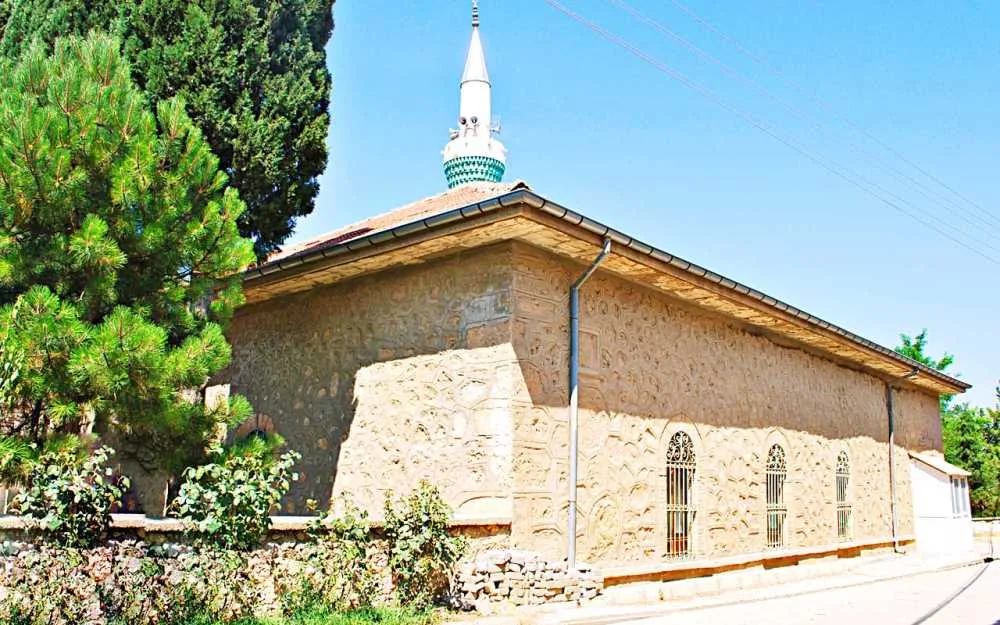
Afşar Camii, Isparta'nın Gelendost ilçesine bağlı Afşar Köyü'nde yer alan, çivi kullanılmadan ahşap olarak inşa edilmiş 13. Yüzyıl camisidir. On iki ahşap sütunu ve orijinal mihrap-minberiyle Anadolu'nun az bilinen ahşap camilerinden biridir.
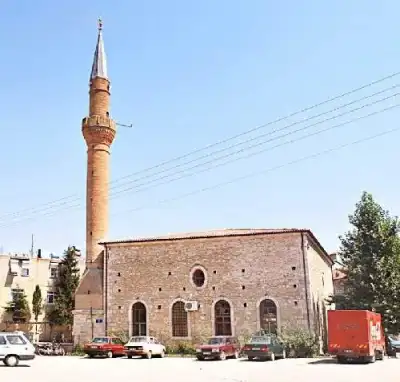
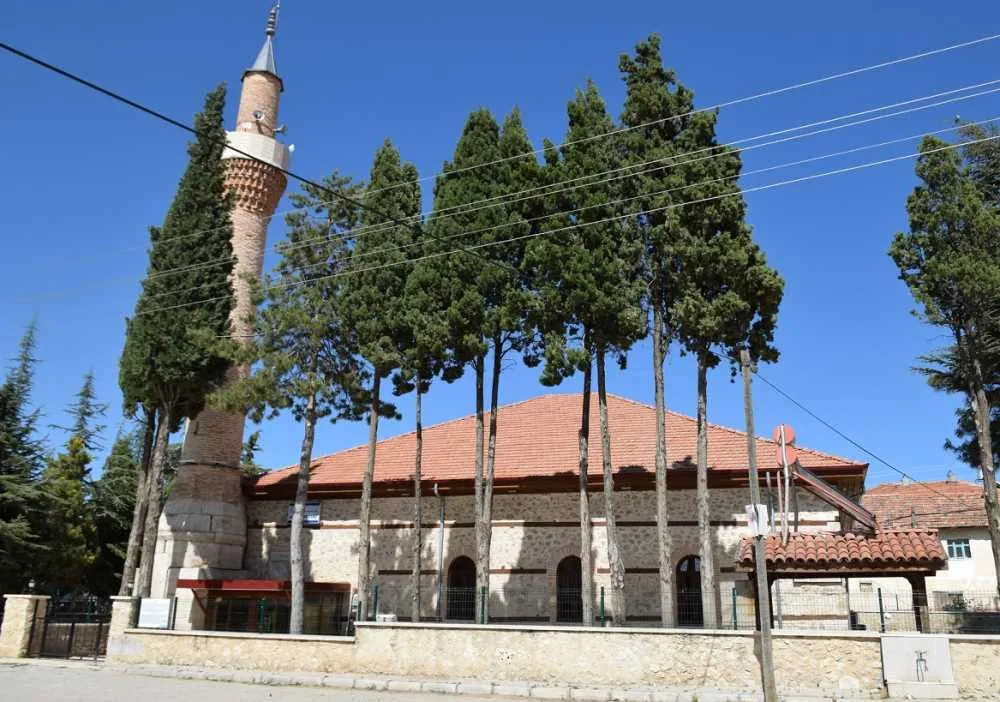
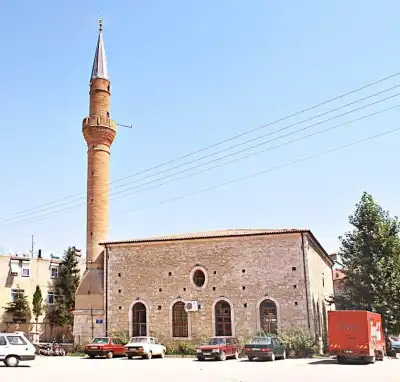
A structure standing in the center of Afsar Village with a plan close to square and a single-balconied cylindrical minaret. Sources differ on the construction date: The Anadolu Agency report and some local sources indicate the mosque was built in 1219, making it approximately 8 centuries old. The Cultural Portal and other sources date it to the 14th-15th centuries, the Principalities Period. Regardless of which date is correct, the structure is a rare example of construction without nails, reflecting Seljuk or Principalities architecture.
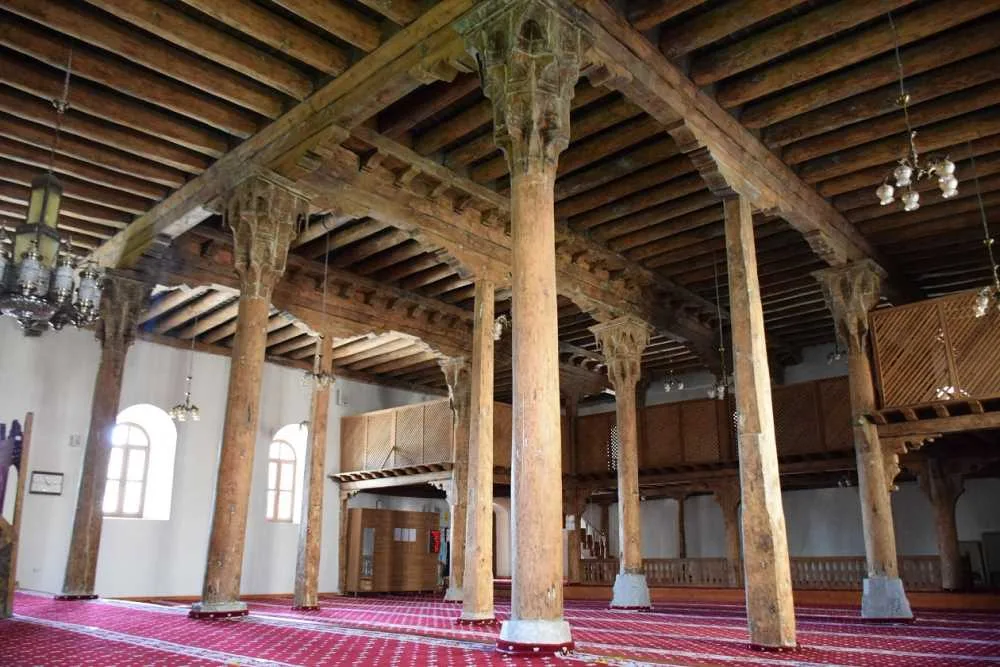
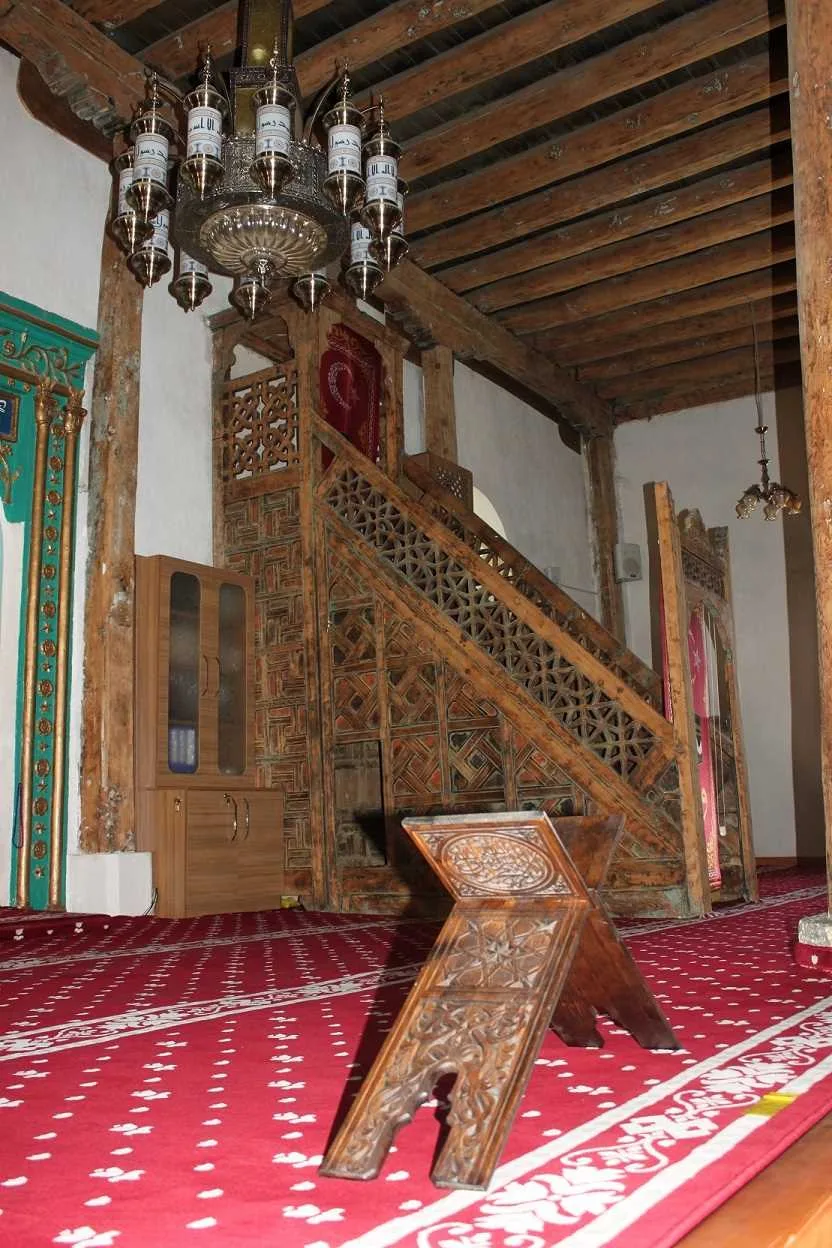
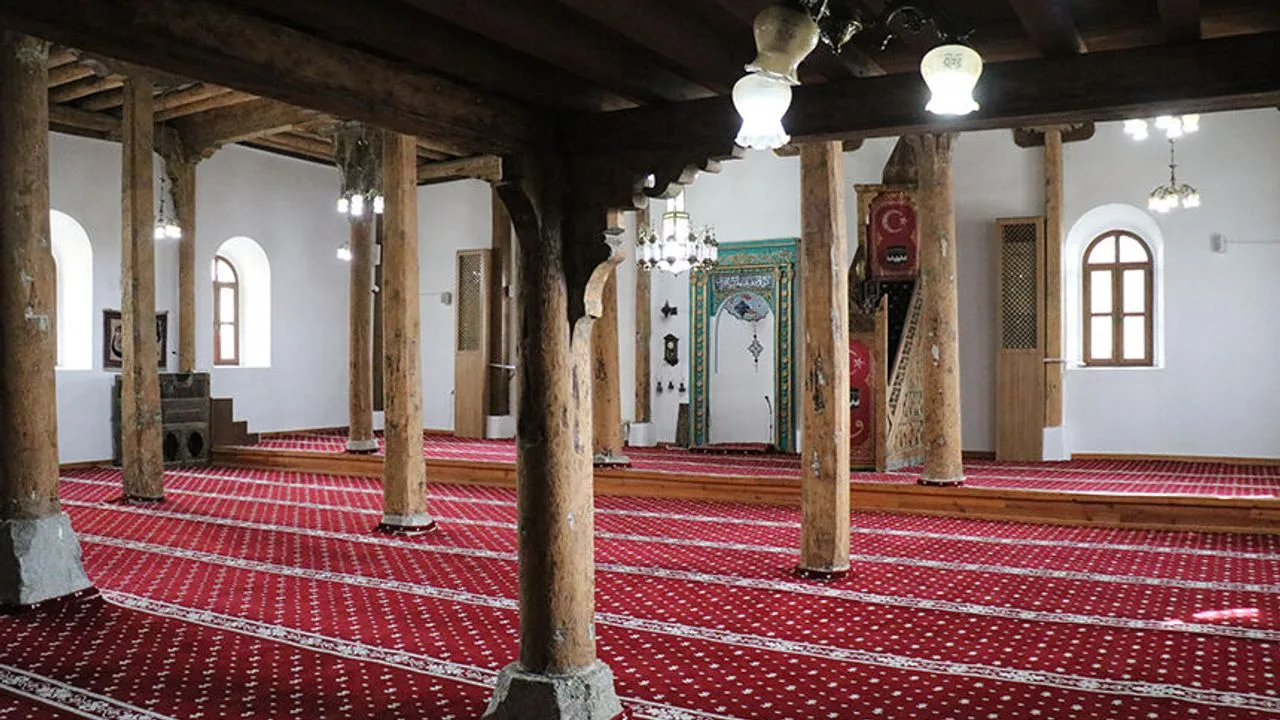
Inside are twelve wooden columns separating the prayer hall into four sections. The columns rest on recycled stone bases, some with wooden capitals. The rounded vault mihrab and minbar retain their originality. Above the entrance door, a marble block from the Byzantine period was used as recycled material; later, the 97th verse of Surah Al-i Imran was carved onto it. According to Burhan Ozcan, a village resident, fragrant pine wood was used in the construction, and this scent is more noticeable inside on humid days.
The muqarnas decorations beneath the minaret's balcony are among the structure's striking details. The mosque is still open for worship and remains part of the village's daily life; it is visited in its state without major restoration or tourist modification.
Guide's Note
When Was Avsar Camii Built and By Whom?
Sources provide different information about the mosque's construction date. The Anadolu Agency report points to the year 1219, emphasizing that the mosque is approximately 8 centuries old. The Cultural Portal and some local sources suggest the 14th-15th centuries, the Principalities Period. The mention of Afsar Village in 16th-century population counts shows the village was established by those times; this supports the view that the mosque may date to the Principalities or earlier Seljuk period. According to villagers, the region was first under the Afsar beyliks, then the Byzantines, and later the Hamidoglus. Among the accounts passed down is that the mosque was commissioned to commemorate Eşrefoğlu Mehmet Bey's conquest.
Photo Spots and Architectural Details
The prayer hall is divided into four sections by twelve wooden columns resting on stone bases. Some columns have wooden capitals, and the beams rest on these columns. The rounded vault mihrab and minbar are original, meaning they have not been altered later. The minaret is single-balconied with a cylindrical body; the muqarnas decorations beneath the balcony are among the structure's most striking details. Above the entrance door, a marble piece from the Byzantine period was used as recycled material, and later the 97th verse of Surah Al-i Imran was carved onto it.
How to Get There?
Traveling from Isparta center to Gelendost district, then to Afsar Village by private vehicle is the most practical option. The village roads are narrow and signage is limited; using a navigation app makes getting there easier. Public transportation is not practical because inter-village minibus services are limited and schedules may be irregular.
How Long Should the Visit Be?
The mosque is a small-scale structure. 20-30 minutes is sufficient to explore the interior and examine the architectural details. Since there are no other notable sites in the village, it makes sense to combine the visit with other stops in and around Gelendost.
What Should You Be Careful About When Visiting?
The mosque is still an active worship space; avoid visiting during prayer times and maintain silence. Since the wooden structure is delicate, it is important not to touch the columns or beams. If you encounter village residents, they may want to discuss the mosque's history; gathering information from the village headman or mosque official will enrich your experience.
Other Nearby Stops
There are other historical mosques in and around Gelendost; you can expand your route with stops like Firdevs Pasha Mosque in Isparta center. Planning Afsar Camii as part of a day trip that showcases Isparta's rural and lesser-known side offers an alternative experience to the classical stops in the city center.
This content originates from neresigezilir.com.tr and may not be copied without permission.
FAQ
Updated: