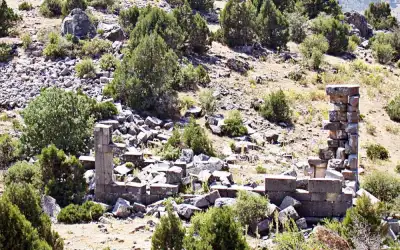
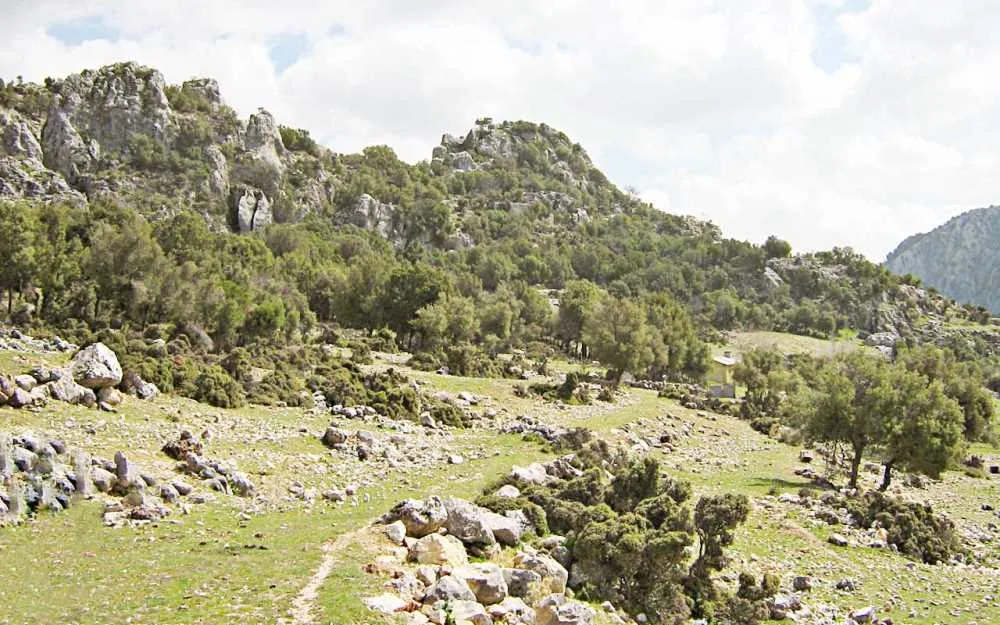
Taşkapı Harabesi, Isparta'nın Sütçüler ilçe merkezinin güneybatısında, kuzey-güney yönlü bir sırt üzerine kurulmuş antik yerleşim kalıntısıdır. Bosajlı sur duvarları Hellenistik döneme, Asartepe'deki içkale ise Geç Roma-Erken Bizans dönemine tarihlenir ve ücretsiz ziyaret edilebilir.
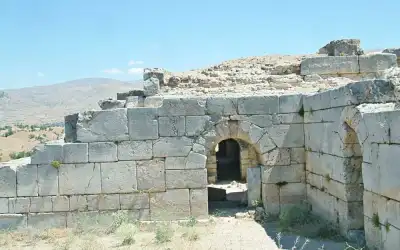
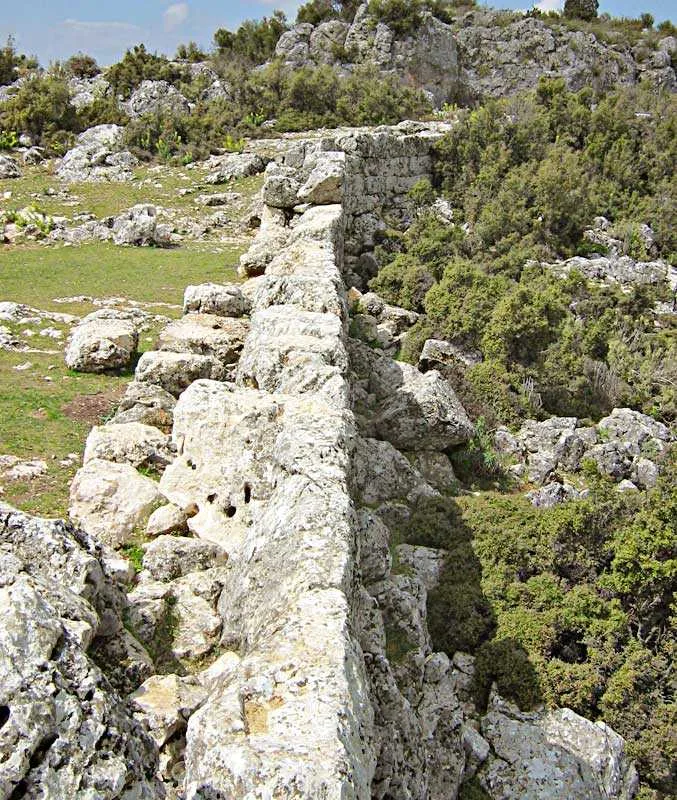
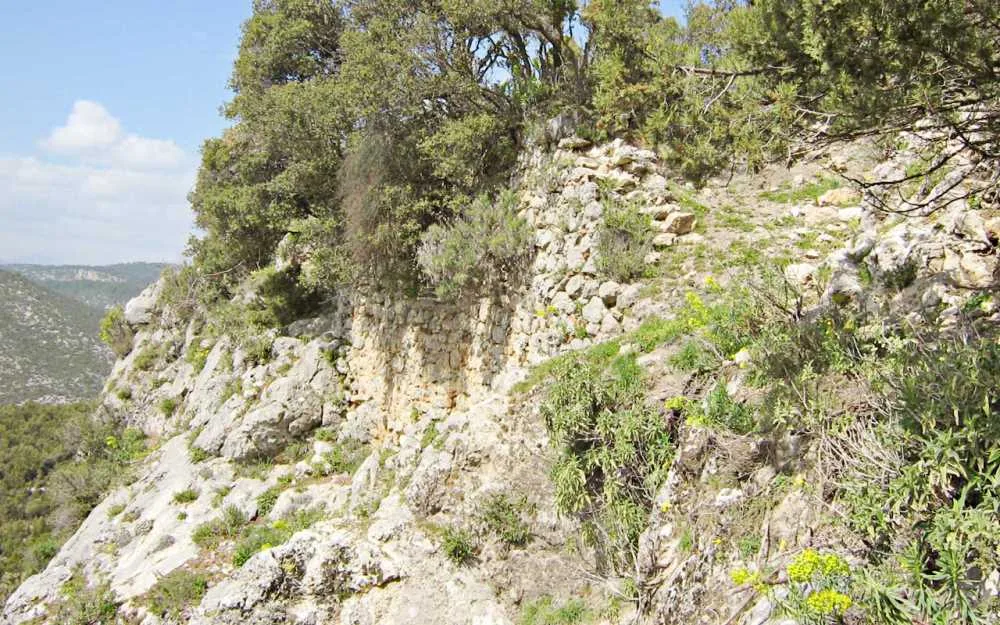
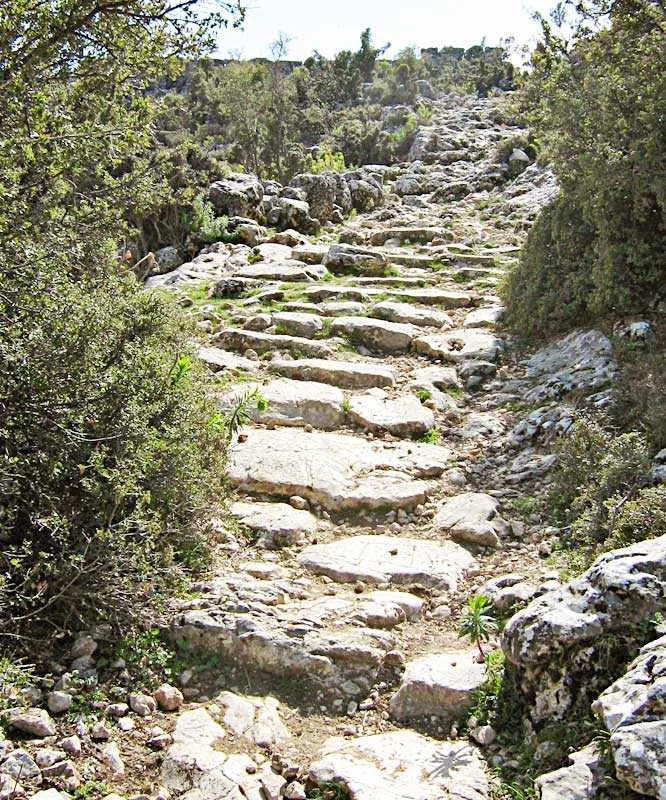
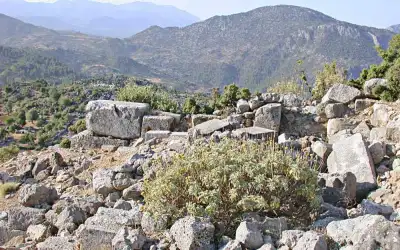
Taskapi Harabesi is built on a ridge running north-south, located southwest of the Sutculer district center. The site spans a large settlement area 1,500 meters long and 500 meters wide. Access to the city begins via a road ascending through steps carved into the bedrock. The gate constructed from large block stones is the reason locals call it Taskapi (Stone Gate). The defensive walls built with rusticated construction techniques show characteristics of the Hellenistic period.
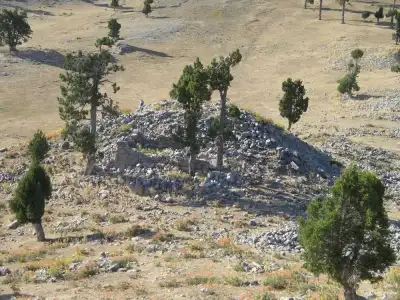
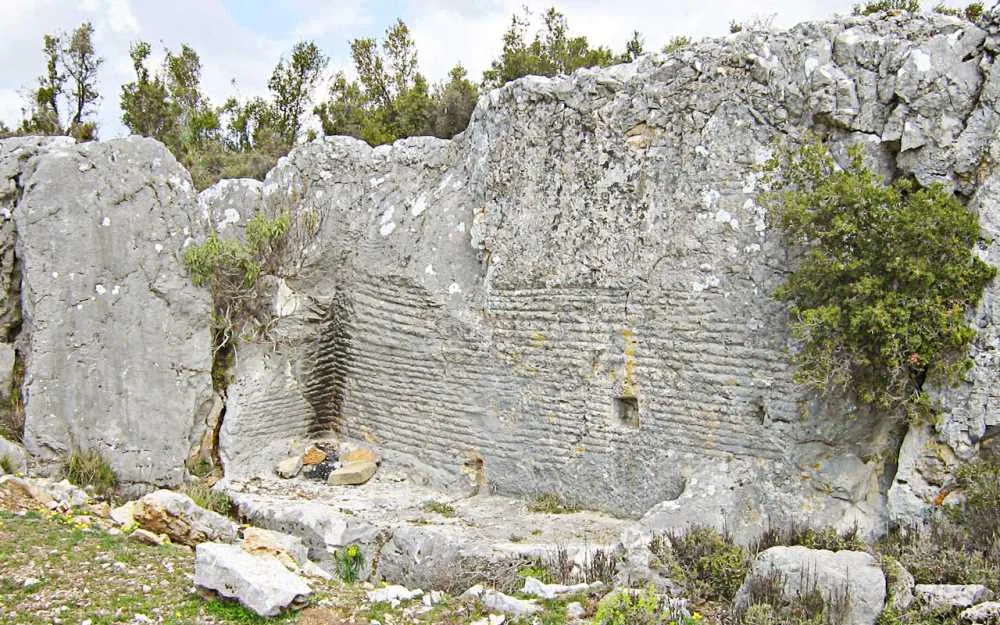
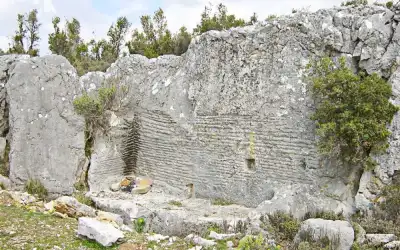
Upon entering through the gate, you are greeted by a spacious plaza, followed by dense maquis vegetation. Natural conditions and illegal excavations have largely obscured the settlement's layout; today it is difficult to determine the exact function of structures. Nevertheless, portholes and space traces carved into the bedrock indicate that a thriving settlement existed here. The defensive walls at Asartepe, the highest point of the ridge, date to the Late Roman-Early Byzantine period and point to the development of a fortified inner citadel for defensive purposes.
Particularly notable in the area are abundant pottery fragments from the Roman and Byzantine periods, primarily of kitchen vessel type. These finds demonstrate that the settlement showed continuous development from the Hellenistic period through the Byzantine era. Two hours is sufficient for a visit. A quiet and peaceful stop away from crowds for those interested in history and archaeology.
Guide's Note
Best Time to Visit
Spring and autumn are the most comfortable seasons; the weather is cool and maquis vegetation is not as dense yet. In summer months, the sun beats down at midday with virtually no shade available. Choosing an early morning hour is more practical. After winter rains, the rock stairs can become slippery.
How to Get There
Taskapi Harabesi is located close to Sutculer district center. From Isparta center, you can reach it by private vehicle or minibus to Sutculer, then proceed to the ruins by a short walk or taxi from the district. The nearest landmark, King's Road (St. Paul's Road), is only 470 meters away; finding the way is not difficult.
How Much Time to Allow
Approximately 2 hours is sufficient for exploring the ruins. Going from the entrance gate to the plaza and then climbing to and descending from Asartepe does not take much time. However, the terrain is not flat; walking on slopes and rocky ground requires some time.
Other Nearby Stops
Combining Taskapi Harabesi with Yazili Canyon is a sensible plan; the canyon is only 1.2 km to the south. If you venture a bit further, Seferağa Mosque (3 km) and Yazili Canyon Nature Park (4.3 km) can also be added to your same-day route. Siğirlik I Castle is 6.3 km away and is a good additional stop for those wanting to complete a historical route.
Things to Keep in Mind
The site has been damaged by natural conditions and illegal excavations; in some areas it is not possible to see a clear settlement plan. Maquis vegetation becomes dense after the plaza, and trails may become unclear. Long-sleeved clothing and sturdy shoes will make things easier. If going alone, check your phone's battery and location services; there are few signposts in the area.
Good Photography Spots
The entrance stairs carved into the bedrock and the gate built from large block stones are the most photographed parts of the ruins. When climbing to Asartepe, the width of the ridge and the surrounding valley views come into frame. The stone texture appears more pronounced in morning light.
Historical Background
The exact founding date of the settlement is unknown, but finds indicate a settlement that began in the Hellenistic period and continued through the Roman and Byzantine eras. Ceramic fragments found at the site are mostly of kitchen vessel type; this indicates that this was a settlement where daily life continued. The defensive walls at Asartepe, on the other hand, reveal the existence of a fortified inner citadel for defensive purposes.
This content originates from neresigezilir.com.tr and may not be copied without permission.
Taskapi Harabesi Videos
Taskapi Harabesi videos load when you open this section to keep the page fast.
Show videos
FAQ
Updated: