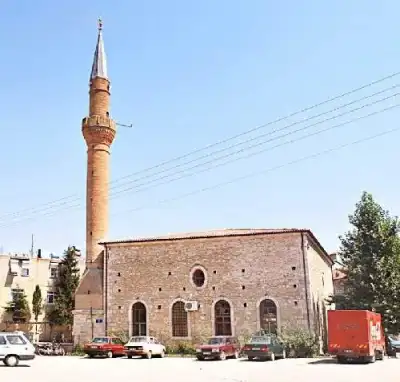
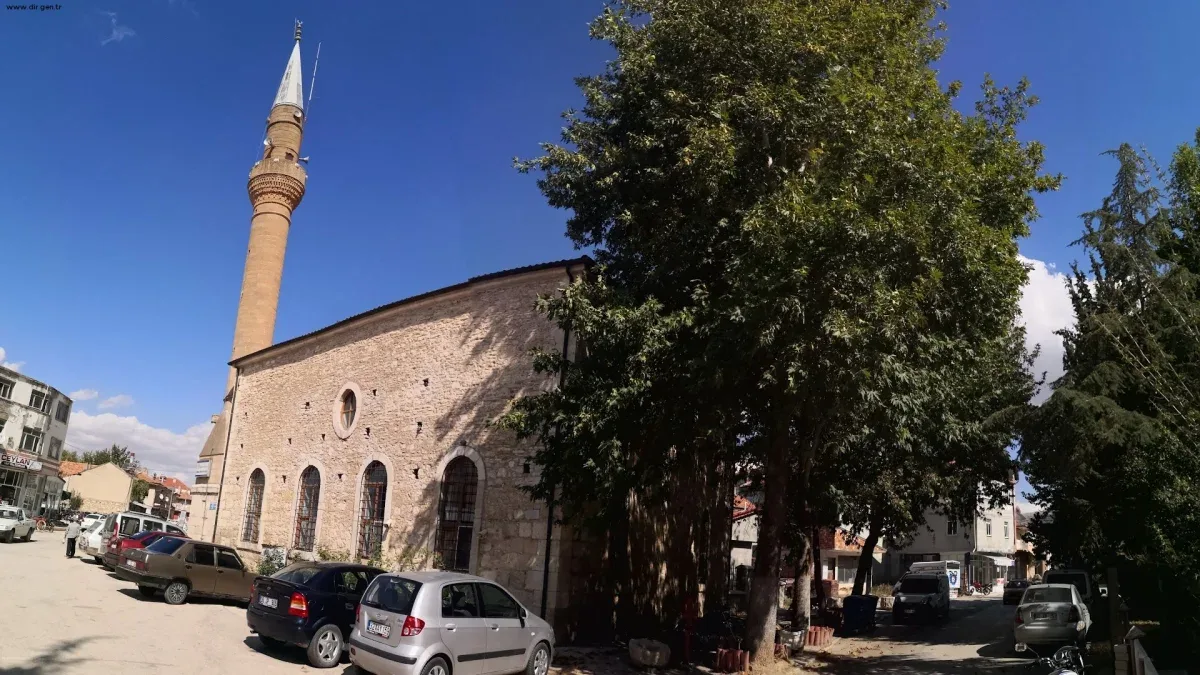
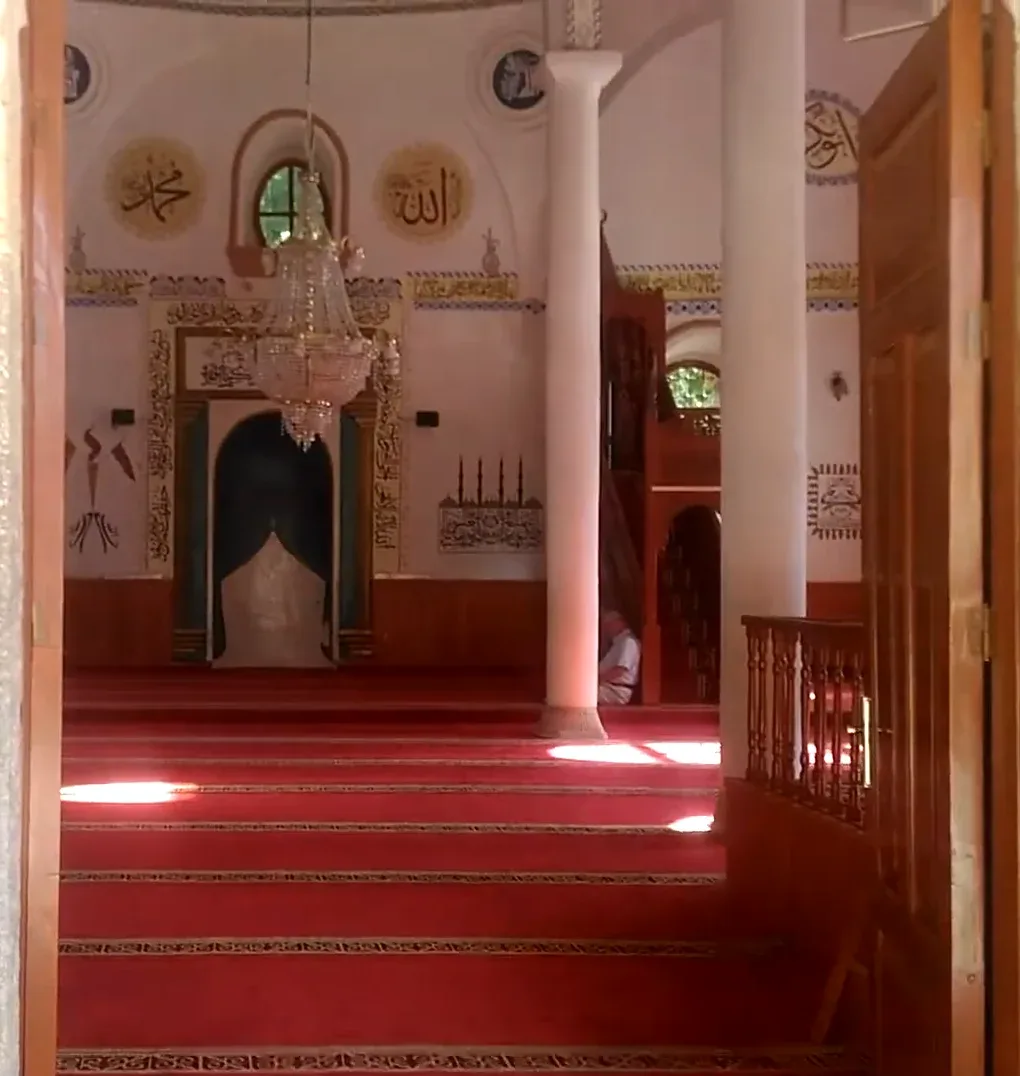
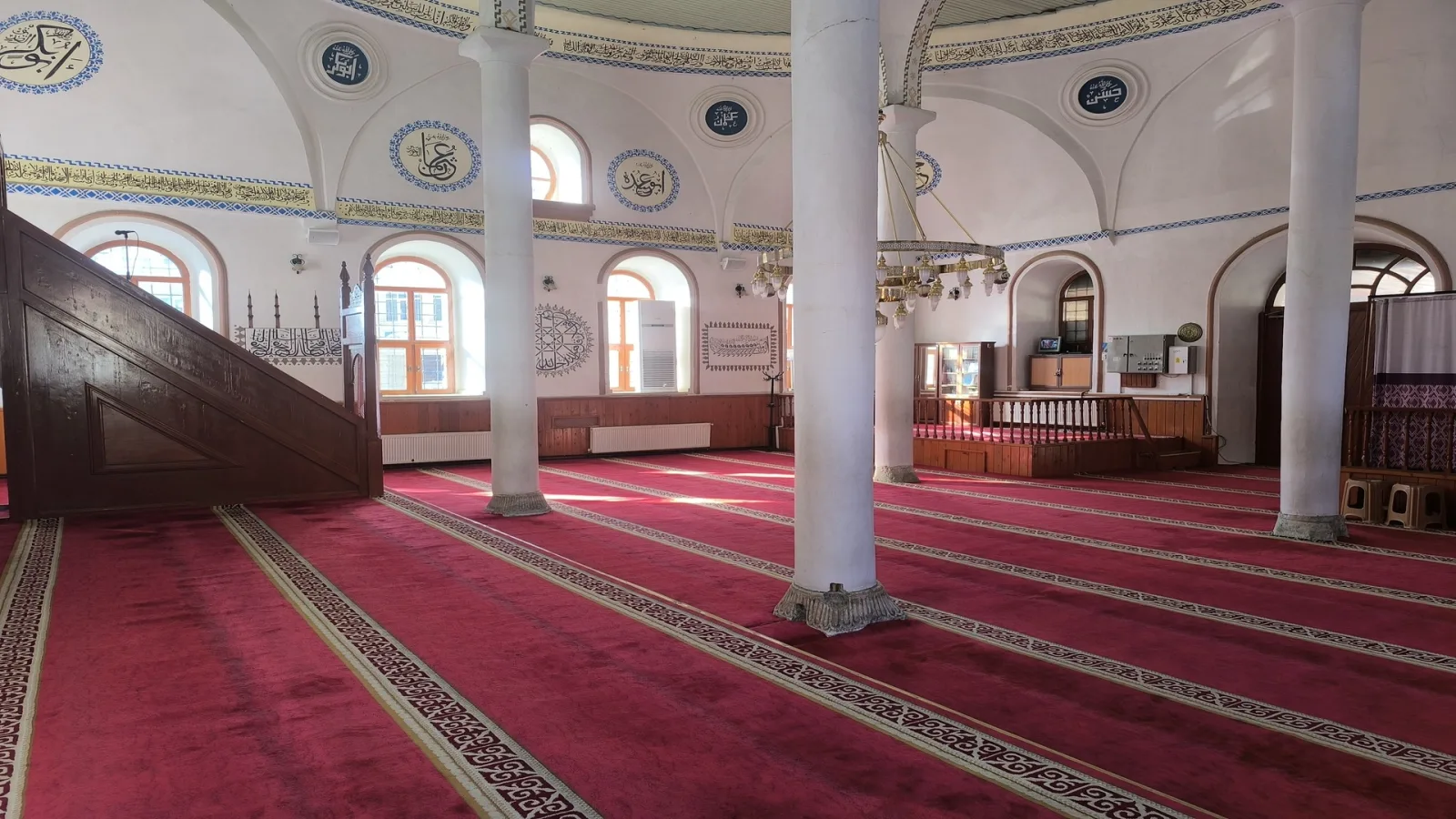
Abdülgaffar Camii, Gelendost'un merkezinde yer alan 1878 tarihli yapı, dört ahşap ayağın taşıdığı bandadi kubbe ve hat panolarıyla son dönem Osmanlı mimarisini yansıtır.
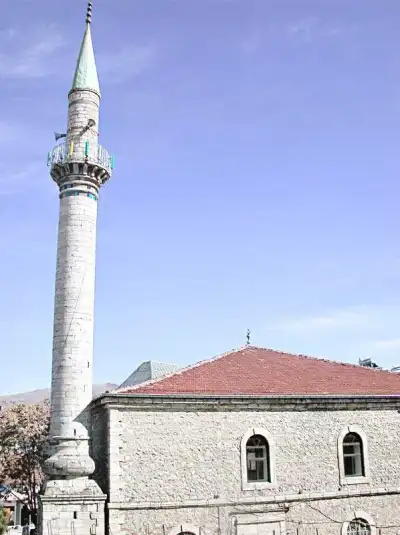
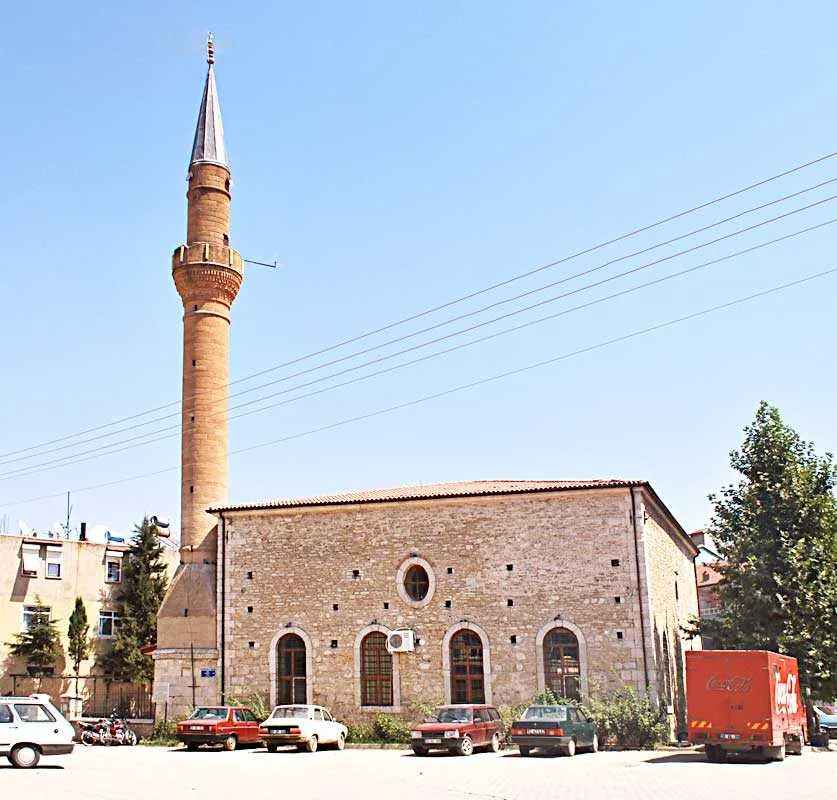
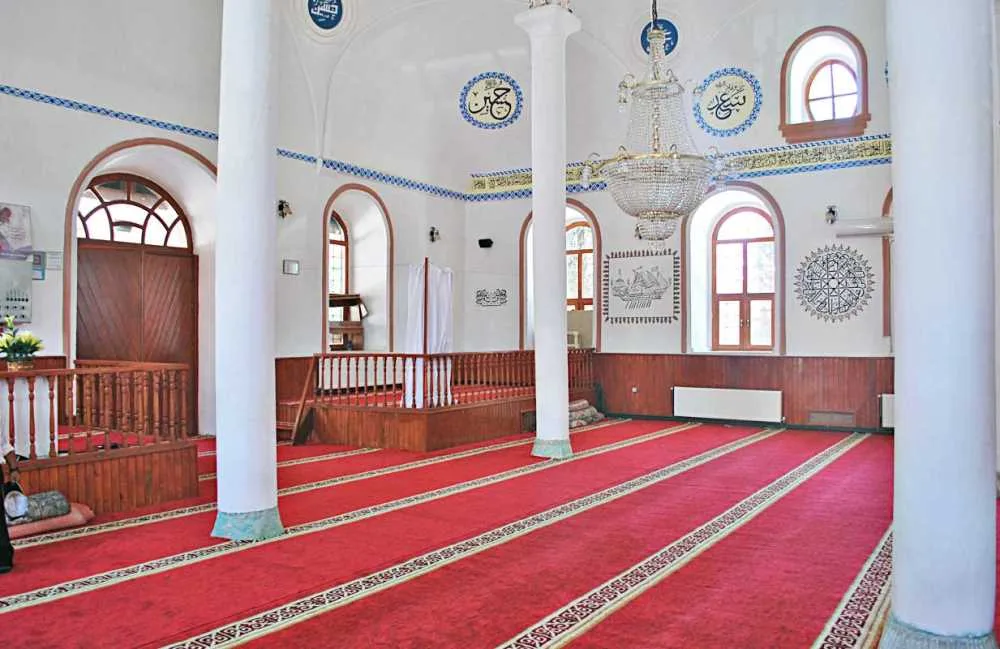
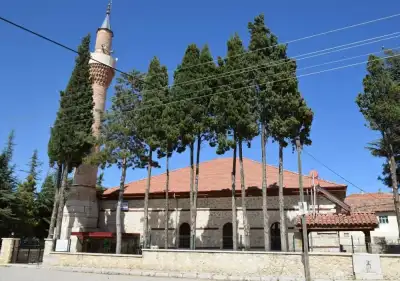
This mosque stands in the center of Gelendost, on Haci Avni Pasa Avenue, and according to the inscription on its minaret, was built in 1878 (Hijri 1294). It is a rectangular structure close to a square, with stone body walls covered with tile roof. Although it appears simple from the outside, the real difference becomes apparent when entering: the Baghdad dome supported by four wooden columns in the center of the prayer hall and the dense calligraphic writings surrounding the walls.
Calligraphic decorations are the most striking feature of the mosque: writing panels on the mihrab surface and above it, the Yaseen Chapter in bands around the dome cornice and dome interior, shapes such as flags, boats, shoes, and pears placed between arches with Kalimah Tawheed and Amen writings in checkered Kufic style. The cylindrical minaret rises in the northwest direction, with a single balcony and muqarnas work beneath the balcony.
The mosque is still open for worship, so visiting outside of prayer times is more convenient. Those coming to Gelendost generally add this mosque to their itinerary along with Ertokus Caravanserai and Afshar Bridge. Since there is not a large influx of tourists, visits generally pass quietly.
Guide's Note
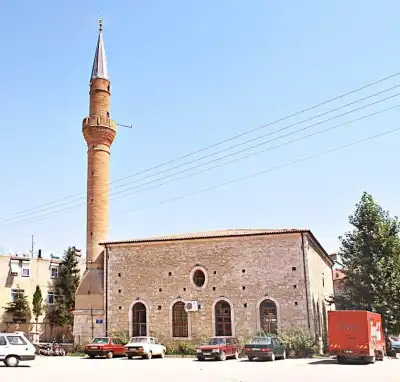
Architectural Features of the Mosque
Abdulgaffar Camii is a structure with stone-built body walls covered with a tile roof, with a rectangular plan close to a square. Four wooden columns in the center of the prayer hall, connected to each other by arches, support a small dome built with Baghdad technique. Other sections are covered with flat ceilings. The cylindrical minaret rises at the northwest corner, sits on a square platform, and has a single balcony; the area beneath the balcony is decorated with a series of muqarnas.
Where Calligraphic Decorations Stand Out
The real value of the mosque is hidden in the writing arrangement inside. The mihrab surface and the sections above it, panels where the Kalimah Tawheed is worked in flag form, the section where Amen is written in boat form, and the Yaseen Chapter band around the dome cornice are the most frequently observed areas. Calligraphic panels shaped like boats, shoes, and pears in the spaces between arches also become noticeable upon close inspection. Most visitors overlook these details on first entry.
Getting to Gelendost
From Isparta center to Gelendost district takes approximately 45 minutes by private vehicle, with the road mostly divided. Intercity minibus services are also available but run infrequently, so it is necessary to plan return times in advance. The mosque is located in Muharrem Neighborhood in the district center, on the main road and easily findable.
What to See in Gelendost
The mosque alone is a 20-30 minute stop, but since you have come this far to Gelendost, it makes sense to add Ertokus Caravanserai and Afshar Bridge to the same day. All three are close to each other, making for a half-day excursion. Some complete the route with a lunch break by the lake, since Gelendost is close to Egirdir Lake.
Things to Note When Visiting
Since the mosque is still actively open for worship, postpone visits during prayer times. The headscarf rule for women and shoe removal rule for everyone apply here as in other mosques. Since it is a small structure, quiet visits by small groups of people allow you to tour the interior more comfortably than large groups.
How Much Time to Allocate
The mosque itself can be toured in 20-30 minutes; those who want to read the calligraphic writings one by one can stay a bit longer. If you plan it with Gelendost's other historical sites, half a day is sufficient.
This content originates from neresigezilir.com.tr and may not be copied without permission.
FAQ
Updated: