Aksu Zindan Cave in Isparta, Türkiye is a karst formation featuring a 785-meter walkable passage with an underground stream and Roman-period mosaic at its entrance, though closures occur seasonally due to water levels and structural concerns.
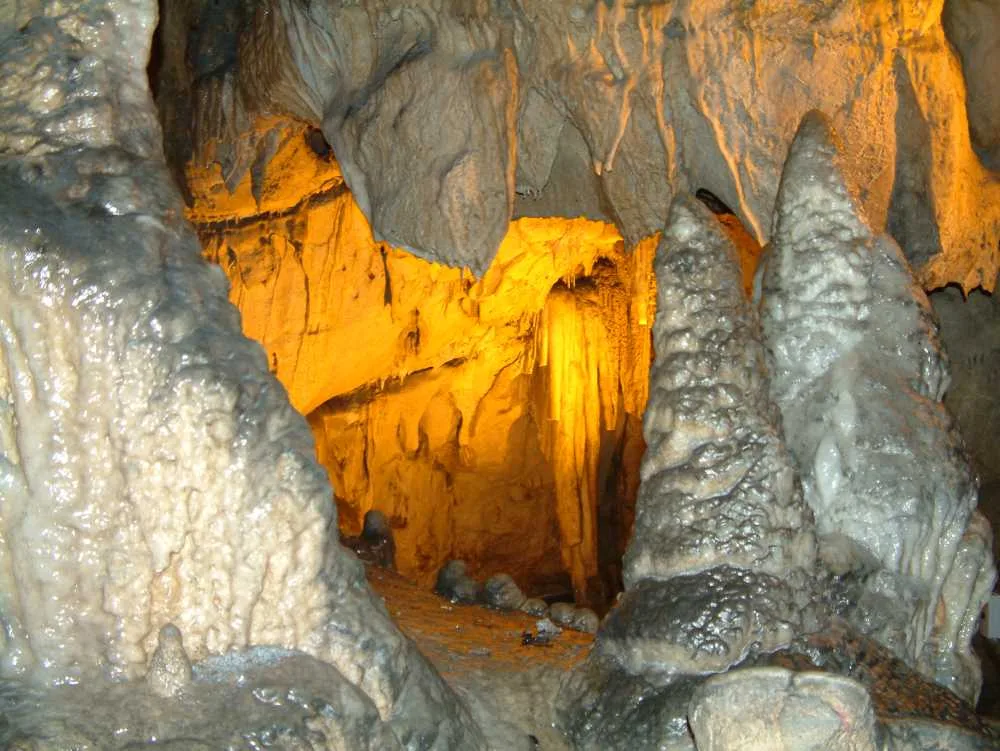
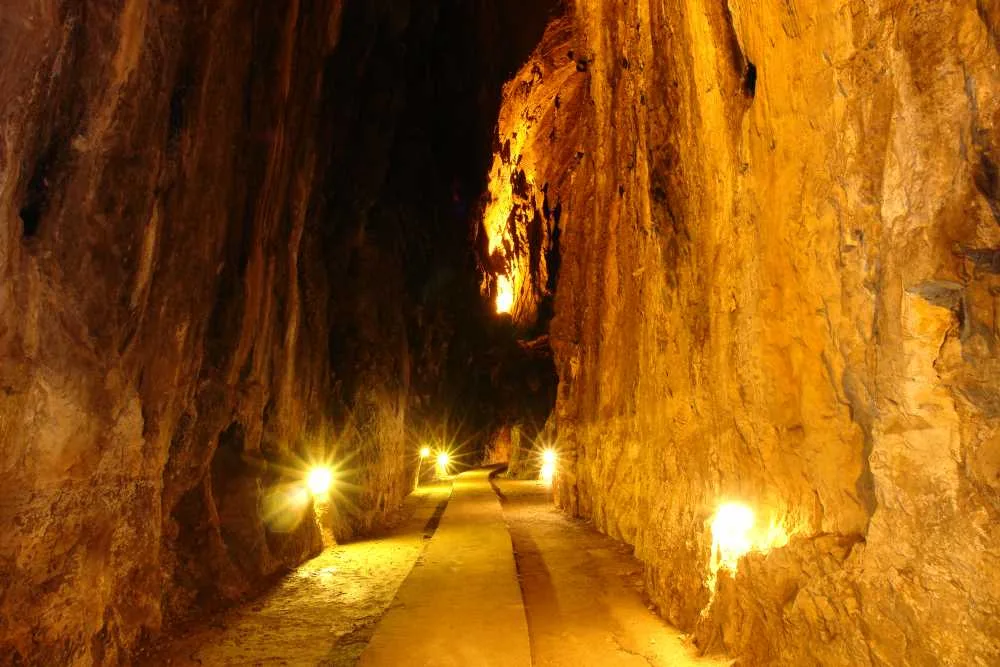
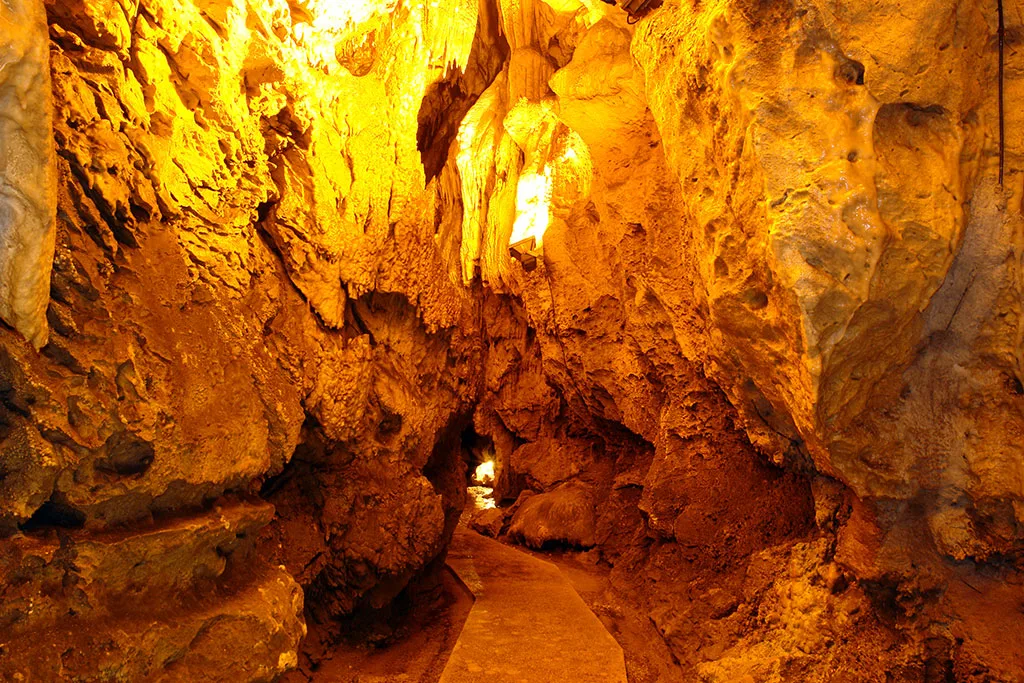
Zindan Cave opens up inside the Aksu Stream valley, roughly 2 kilometers from Aksu's town center. With a 785-meter walkable section, it is one of Isparta's most famous karst formations. What sets this cave apart from others is the genuine underground stream flowing inside: rich in magnesium and calcium, this water flows along the cave floor year-round.
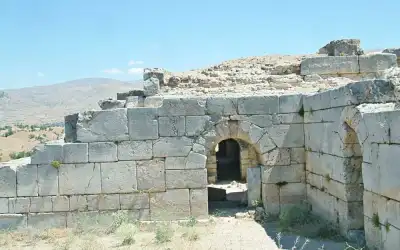
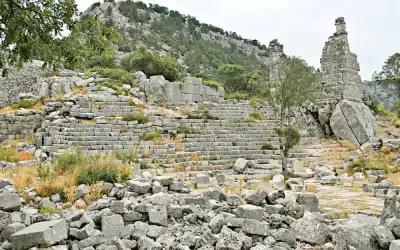
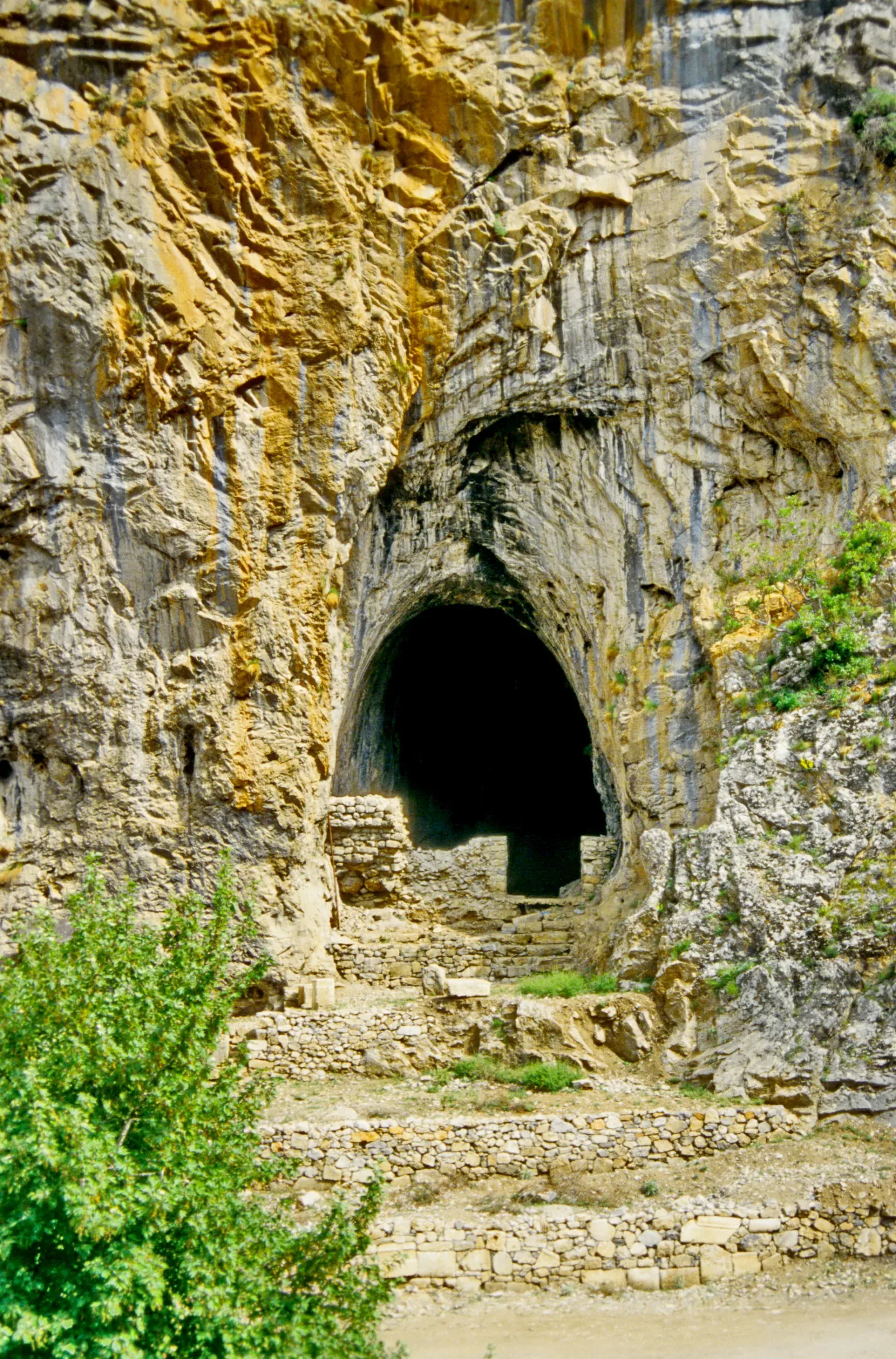
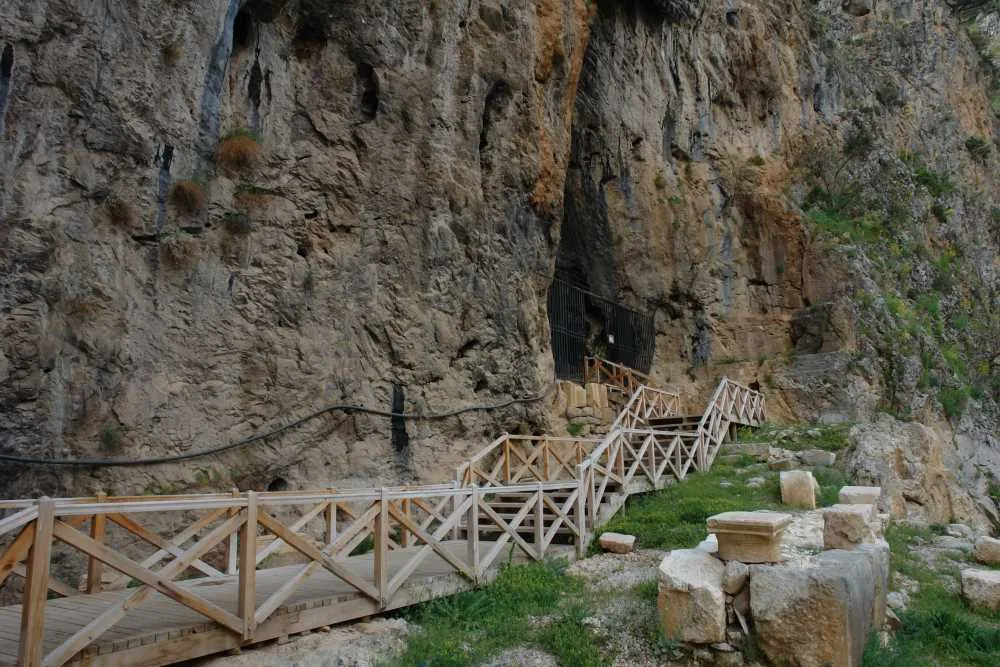
A striking detail awaits at the entrance: a mosaic crafted on black, white, and red stones, flanked by dolphin motifs and topped with winged figures. Dated to the Roman period, this artifact—along with the open-air temple ruins right in front of the cave—makes the site an archaeological protected area as well as a natural site. A detail frequently noted in visitor reviews is the chill inside the cave. During hot summer days, temperatures inside feel remarkably low.
It is worth noting upfront that the cave has recently experienced frequent temporary closures. High water levels caused by rainfall and melting snow in winter, along with potential collapse risks in certain sections, lead to periodic closures. Because the mountain road is long, calling the Aksu District Governorate beforehand to verify its current status will save you a wasted journey.
Guide's Note
Best Time to Visit
While the cool cave interior might seem like a summer advantage, rising water levels during winter and early spring have become a serious concern in recent years. Visitor reviews frequently note that following snowmelt and heavy rainfall, water levels inside rise significantly, prompting temporary closures due to collapse risks in certain spots. If you plan to visit between late autumn and early spring, make sure to call ahead to confirm.
How to Get There
The Aksu district is roughly a 30-minute drive from Isparta city center. From Aksu town center, the road leading to the cave follows the Aksu Stream valley. Travelers mention that while the road is mountainous, it is easily passable by car. Public transportation is not practical; taking your own vehicle or hiring a taxi from Aksu is the most reasonable option.
Things to Know Before You Go
The most important warning regarding this cave is its closure status. A large portion of recent visitor reviews report that the cave has been temporarily closed over the past year, leaving some visitors stranded after a long drive. Some mention receiving inaccurate information after trying to reach local municipal offices. Checking recent social media updates or directly calling the Aksu District Governorate is the safest way to avoid losing time on the road.
Additionally, rumors circulating on social media showing an 850 TRY entrance fee turned out to be false; officials clarified that this figure was an unofficial sign deliberately placed on the board. Calling the official line is also recommended to learn the current entrance fee.
Best Photography Spots
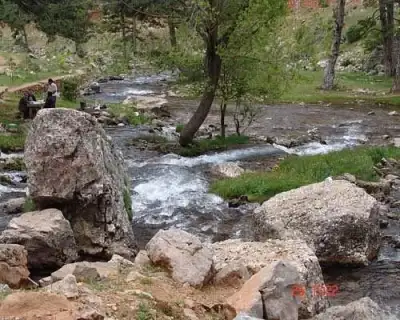
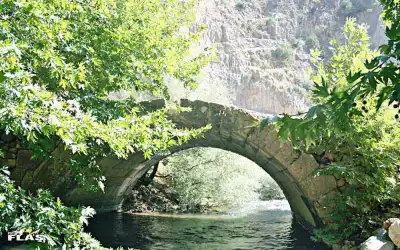
Even when the cave interior is closed, it is still possible to take great photos outside. One visitor noted that when they could not enter the cave, the photos taken outside were surprisingly impressive. The Roman bridge ruins and the mosaic stone at the entrance are among the most photographed elements. The stream flowing in front of the cave and the surrounding lush greenery also offer beautiful shots, especially in spring.
Nearby Attractions
When visiting Aksu, adding Sorgun Plateau to your itinerary makes great sense. Situated in the Zindan Stream area, this plateau is a popular natural spot often visited along with the cave. You can also take a short break in the town center to browse local produce; a visitor praised a local bakery's sourdough village bread and Einkorn wheat products.
How Much Time to Spend
Since the walkable section of the cave is 785 meters, spending 45 minutes to 1 hour inside is usually sufficient. Half a day is plenty for visitors wanting to combine the Aksu trip with Sorgun Plateau.
Historical Significance of the Cave
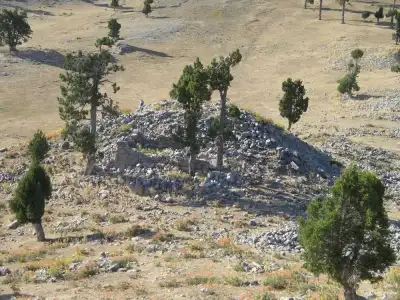
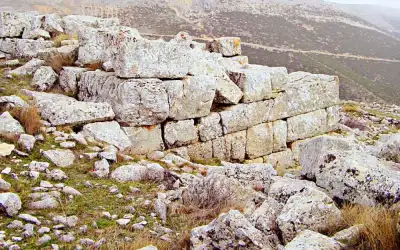
The archaeological value of Zindan Cave stems from more than just its geological formation. Mosaics at its entrance date back to the Roman period, while artifacts found around the area date to Early Greek and Seljuk eras. Consequently, the site is protected both as a natural monument and an archaeological site. Visitors often highlight the ancient ruins at the entrance and the picturesque stream running past it.
This content originates from neresigezilir.com.tr and may not be copied without permission.
Aksu Zindan Cave Videos
Aksu Zindan Cave videos load when you open this section to keep the page fast.
Show videos
FAQ
Updated: