Çay Taş Madrasah is a historical madrasah built in 1278 during the Seljuk period in the Çay district of Afyonkarahisar, notable for its cut stone masonry and geometric tile designs. Currently used as a mosque, the building is open to visitors free of charge.
Rising in the very center of the Çay district, part of Afyonkarahisar province, the Çay Taş Madrasah is one of the most striking representatives of Anatolian Seljuk architecture in the region. Dating back to 1278, the structure was commissioned by Ebü'l-Mücâhid Yûsuf b. Yakup, one of the prominent figures of the reign of Gıyaseddin Keyhüsrev III. Its cut stone masonry, simple yet powerful facade arrangement, and Seljuk tile designs with lion medallions in its interior make the building architecturally extremely valuable.
The madrasah has changed its function over time and is now used as a mosque. It largely preserves its original plan scheme with its slightly protruding monumental portal on the northern facade, the entrance iwan, and student rooms in the east-west wings. The geometric patterns on its dome are among the elements that attract visitors the most. When visited together with the Caravanserai and Esirüddin Ebheri Tomb in the Çay district, a comprehensive picture of the region's Seljuk and Ottoman heritage emerges.
Guide's Note
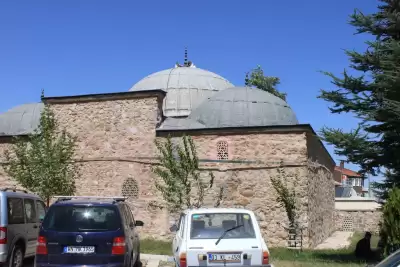
Çay Taş Madrasah stands out as a historical building that has gained the admiration of the vast majority of visitors. Especially during periods when it hosts special events such as holiday ceremonies, the venue offers an impressive atmosphere. Around it, there are souvenir shops, handicraft products, cafes, and dining spots; this can turn the visit into a more comprehensive experience.
Next to the madrasah, there is a tea garden. Within the same complex, Gedik Ahmet Pasha Mosque and İmaret Hamam can also be visited; these structures can make your visit more productive.
Things to pay attention to:- Multiple visitors report finding the madrasah closed, even during weekday business hours.
- There is no information sign on site regarding opening hours or reasons for closure; it is recommended to confirm the current status before going.
- There are also impressions that the building is not functionally used; entry may not always be possible.
Best Time to Visit
Most of the year is suitable for visiting Çay Taş Madrasah; however, the months of April-May and September-October offer the most comfortable period in terms of both air temperature and natural light. In summer, the Afyonkarahisar region can be quite hot; visiting in the early morning or late afternoon during this season provides a more pleasant experience. While visits are possible in winter, the humidity and cold air on the stone surfaces may make it difficult to examine some details of the structure.
Since the building is used as a mosque, when planning your visit during Friday prayer time and the five daily prayer times, considering this situation will make both you and the congregants more comfortable. The hours after morning prayer are generally the calmest and most productive time for photography.
How to Get There
Çay Taş Madrasah is located in the very center of the Çay district, approximately 48 km from Afyonkarahisar city center. There are bus and minibus services from Afyonkarahisar bus terminal to Çay at various times of the day; the journey takes approximately 45-60 minutes. Once you arrive in Çay district center, it is possible to reach the madrasah on foot.
For those coming by private car, following the Çay exit via the Afyon-Konya highway (E87) is the most practical route. Parking is quite easy in the district center. Those coming from Konya or Isparta can also easily reach Çay via the same highway; in this respect, the madrasah can become a natural stop on a route covering multiple cities in the region.
Architectural Features and History
Çay Taş Madrasah was built in 1278 by Ebü'l-Mücâhid Yûsuf b. Yakup during the reign of Gıyaseddin Keyhüsrev III. The structure reflects the typical plan scheme of the Anatolian Seljuk madrasah tradition: a slightly protruding monumental portal placed on the axis of the northern facade, an entrance iwan behind it, and student rooms extending on both sides of this iwan.
One of the most striking elements of the building is the Seljuk tile designs and lion medallions adorning the interior. The geometric patterns on its dome create a focal point that visitors look up at for a long time. The entire structure is built with cut stone material and has largely preserved its general structure over the centuries. The madrasah has changed its function over time and is now used as a place of worship; this gives the structure a vibrant and living identity.
Çay District Itinerary Suggestion
Although Çay Taş Madrasah deserves a short visit on its own, when combined with other historical sites in the district, it makes for a much richer day. After visiting the madrasah, walk to the nearby Çay Caravanserai; it's a unique opportunity to see the traces of Seljuk trade routes in this region. Afterwards, you can visit the Esirüddin Ebheri Tomb.
After a lunch break at local restaurants in the district center, you can take a short nature walk towards the nearby Karamık Lake. For those planning to return to Afyonkarahisar city center, this route offers the opportunity to experience both historical and natural beauties in a single day.
Photo Spots
Çay Taş Madrasah is a very productive place for architectural photography. The monumental portal is the strongest photo frame of the building; images taken in the early hours when the morning light softly illuminates the texture of the stone are particularly impressive. Shooting from a low angle in front of the gate best reflects the depth and craftsmanship of the monumental portal.
Inside, standing directly under the dome and looking up allows you to achieve a symmetrical composition framing the geometric patterns. A wide-angle lens or a smartphone's ultra-wide mode is ideal for this shot. For tile and lion medallion details, macro or close-up mode should be preferred. On the exterior facade, the texture and color of the stone gain a highly plastic appearance, especially on cloudy days.
Things to Know Before Visiting
Since the building is an active place of worship, it is necessary to adopt a quiet and respectful attitude during the visit. You are expected to remove your shoes when entering; it is advisable to bring socks with you. Female visitors are requested to cover their heads.
Since Çay district is a small settlement, there are no large shopping malls or chain restaurants; it is more practical to meet your basic needs from Afyonkarahisar or before your journey. The pavement and ground surfaces around the building may be uneven; it is recommended to wear comfortable walking shoes. When taking photos, avoid shooting inside during prayer times.
What to Eat in Çay and Afyonkarahisar
In Çay district, you can taste local home-cooked meals at local restaurants; especially lentil soup, meat and vegetable dishes, and village bread will greet you. The symbol of Afyonkarahisar cuisine, sucuk (spicy sausage) and pastırma (cured beef), can be found everywhere in the region; it is possible to buy fresh products from butchers and grocery stores in Çay.
When returning to or passing through Afyonkarahisar, don't forget to buy kaymak (clotted cream) and lokum (Turkish delight); these two delicacies are an integral part of the city's gastronomic identity. Taking a break with Turkish coffee in the historical coffee houses in the city center is a good option to relieve the day's fatigue.
This content originates from neresigezilir.com.tr and may not be copied without permission.
Çay Taş Madrasah Videos
Çay Taş Madrasah videos load when you open this section to keep the page fast.
Show videos
FAQ

Updated: