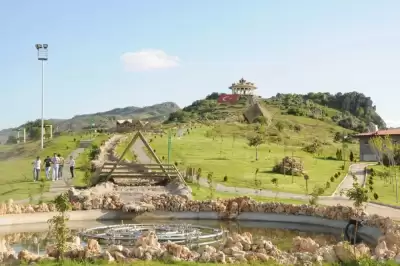
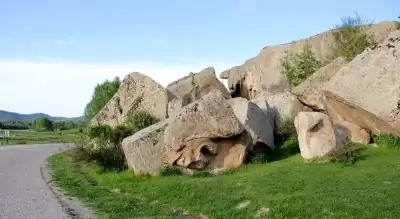
Üçlerkayası is a historical site with First Degree Archaeological Site status, located in the Phrygian Valley in the İhsaniye district of Afyonkarahisar, featuring rock settlements, tomb chambers, and fairy chimneys from the Roman and Byzantine periods.
Üçlerkayası village, located in the İhsaniye district of Afyonkarahisar, is one of the rare settlements within the borders of the Phrygian Valley that has accumulated layers of history. The village's name was recorded as Leğen in Ottoman records from 1910; its current name comes from the rock masses that dominate the region. Rock-carved settlements, monumental tomb chambers, and rock churches from the Roman and Byzantine periods have been unearthed within and around the village. The region's history dates back to 2000 BC, and traces of Phrygian culture are felt at every step.
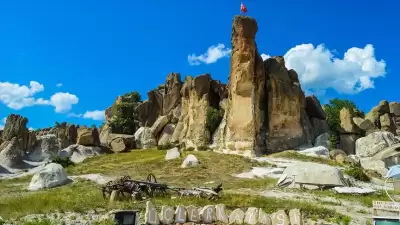
Üçlerkayası is also protected as a registered Phrygian Cult Area with a First Degree Archaeological Site status. Its fairy chimneys reminiscent of Cappadocia, carved rock caves, and the dramatic silhouette of the valley make it an indispensable stop for both history enthusiasts and hikers. Camping facilities are also available in the area, making it an attractive option for those who wish to extend their visit beyond a single day.
Guide's Note
Best Time to Visit
The ideal period to visit Üçlerkayası is during the spring and autumn months. Between April and May, the valley turns green, and the weather is perfect for hiking, with the rock formations looking their best. September and October offer cooler weather and fewer crowds.
In summer, the region can be quite hot; it is recommended to set off early in the morning during this period, preferably shortly after sunrise. In winter, roads can sometimes become difficult, so it is advisable to check the weather forecast before your visit.
How to Get There
Üçlerkayası is located approximately 120 km from Afyonkarahisar city center, near Döğer Town in the İhsaniye district. By private car, you can reach it in about 1.5 hours by following the village road from İhsaniye via Döğer.
Public transport options are quite limited. While it is possible to find buses or minibuses from Afyonkarahisar or Eskişehir to İhsaniye, a private vehicle is definitely needed for the last few kilometers to the village. You can also reach this region with local tour operators organizing Phrygian Valley tours.
Suggested Route
When exploring Üçlerkayası, it is recommended to follow a route that starts from within the village and expands outwards. First, you can examine the rock-carved structures and tomb chambers in the village center, then walk along the paths opening into the valley towards the fairy chimneys.
The caves, sacred sites attributed to Yunus Emre, and other rock formations within the Phrygian Valley can also be included in the route. A walk covering all these points takes approximately 3–5 hours. It is essential to carry plenty of water, comfortable walking shoes, and sunscreen.
Photography Spots
Üçlerkayası is a natural studio for photography enthusiasts. The entrances to the rock-carved tomb chambers offer dramatic plays of shadow and texture, especially in the morning light. Wide-angle shots with the fairy chimneys in the background best convey the grandeur of the valley.
Panoramic valley photos taken from high points of the village are also extremely impressive. During the golden hour, known as sunrise and sunset, the rocks take on a warm orange-red hue, making photos taken at these times particularly striking. Before using a drone, it is recommended to research the necessary permits, considering the region's archaeological site status.
Things to Consider Before Visiting
Üçlerkayası is a First Degree Archaeological Site. Therefore, scratching rock surfaces, breaking off any pieces, or excavating is strictly prohibited. Extreme caution should be exercised when walking inside and on historical structures; some rock structures bear centuries of wear.
A fee is charged for vehicle entry to the area; you can inquire about the current rates on-site. If you plan to camp, it is very important to leave your surroundings clean and adhere to local rules regarding lighting fires. Since the signal may be weak in the region, downloading important contact information and map data in advance will make your trip easier.
History and Importance of the Region
The history of Üçlerkayası dates back to 2000 BC. The region bears intense traces of the Phrygian civilization and also has a very rich archaeological layer with structures from the Roman and Byzantine periods. The old name of the village, Leğen, appears in Ottoman records from 1910, and its current name comes from the characteristic rock masses in the region.
The Phrygian Cult Area, registered by the Turkish Ministry of Culture, indicates that this geography was not only a settlement but also an important religious and ceremonial center. Compared to Cappadocia but much less explored, this region is perfect for those seeking an authentic Anatolian experience away from the crowds.
How Much Time Should You Allocate
If you are visiting Üçlerkayası solely to see the rock structures and the village surroundings, half a day will be sufficient. However, if you also want to explore the hiking routes offered by the Phrygian Valley, it would be more appropriate to plan a full day.
For those considering camping, an overnight stay offers the opportunity to get to know the region much more deeply. Seeing the rock formations in the morning light and experiencing the silence of the valley are privileged moments that single-day visitors miss. You can also plan a two-day Phrygian Valley tour by combining Üçlerkayası with other nearby Phrygian sites like Yazılıkaya.
This content originates from neresigezilir.com.tr and may not be copied without permission.
Üçlerkayası Videos
Üçlerkayası videos load when you open this section to keep the page fast.
Show videos
FAQ

Updated: