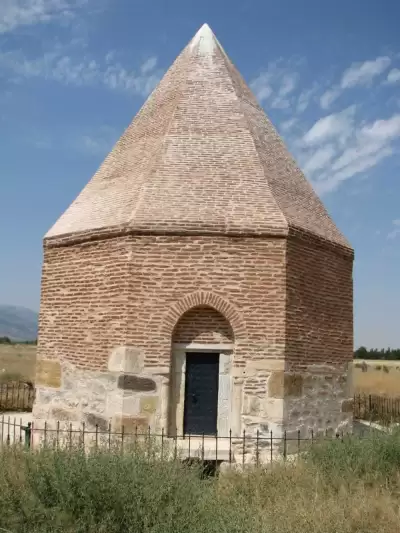
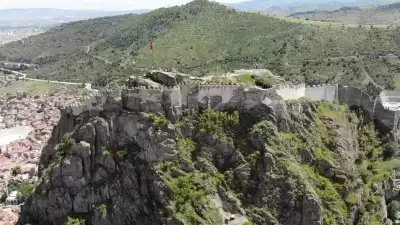
Aslankaya Temple is a rock-carved open-air temple from the Phrygian period, located on the shores of Lake Emre in the İhsaniye district of Afyonkarahisar; it features Hellenistic architectural characteristics with its triangular pediment and Doric columns and is open to visitors free of charge.
Located within the borders of Afyonkarahisar's İhsaniye district, on the shores of Lake Emre, which stretches between Üçlerkayası Village and Döğer town, the Aslankaya Temple is one of the most striking traces left by the Phrygian civilization in Anatolia. Carved into the south face of a high and steep rock, this open-air temple reflects the architectural understanding of the Hellenistic Age with its triangular pediment and two Doric columns. When you reach this secluded spot, approximately four kilometers from the town, thinking that the monument before you was carved into the rock thousands of years ago is deeply moving.
Aslankaya, considered among the most famous structures of the Phrygian Valley, attracts not only history enthusiasts but also nature hikers and photography lovers. Framed by the calm waters of Lake Emre, this monument offers a unique atmosphere, especially at sunset and on starry nights. An indispensable stop for those who want to explore the Phrygian Valley, the temple is also located near the areas where the movie AROG was filmed.
Guide's Note

Aslankaya Temple, located in the Döğer town of Afyonkarahisar, is a Phrygian artifact dating back to the 7th century BC, carved into the south face of a giant rock on the shores of Lake Emre. Visitors consider this rock structure, prominent with its triangular pediment facade, a concrete reflection of the Phrygian civilization's belief in the Mother Goddess Cybele. The figures and architectural details carved into the rock are among the elements that particularly attract history enthusiasts.
The natural landscape surrounding the structure is also highly appreciated by visitors. The site is also seen as a starting point for a Phrygian Valley tour; therefore, it can serve as a practical stop for those who want to explore the region.
- Conservation status: One visitor notes that this 2,500-year-old structure has suffered deterioration due to weather conditions and neglect, with the greatest damage caused by unconscious visitors. It is important to be mindful of this sensitivity when visiting the structure.
Best Time to Visit
While any season of the year is an option to visit Aslankaya Temple, spring and autumn stand out in terms of both weather conditions and natural beauty. In spring, the surrounding steppe turns green, and Lake Emre becomes most vibrant. In summer, the region can be quite hot; visiting in the early morning or late afternoon offers a much more enjoyable experience.
The temple takes on a completely different appearance at sunset. As the sun descends, the light hitting the rock surface seemingly brings the carved details to life. On clear nights, it also becomes an extremely suitable spot for stargazing and astrophotography; there is very little light pollution in the vicinity.
How to Get There
The most practical way to reach Aslankaya Temple is by private vehicle. From Afyonkarahisar city center, you pass through the İhsaniye district and then head towards Döğer town. Approximately 4 kilometers from Döğer, the road leading towards the shores of Lake Emre will take you to the temple. While there are signs along the way, saving the location on a map application beforehand will make the journey easier.
Public transportation is quite limited. Although there are minibus services from Afyonkarahisar to İhsaniye or Döğer, walking from there to the temple means a considerable distance. Therefore, it is recommended to consider car rental or tour options. Planning an itinerary that combines it with other points in the Phrygian Valley will be advantageous in terms of both time and fuel.
Route Suggestion: Combine with Phrygian Valley
Aslankaya Temple is one of the most important stops on the Phrygian Valley route, so visiting it not alone but together with other Phrygian monuments in the region offers a much more productive experience. Starting from Afyonkarahisar, you can first visit other rock tombs and altars in the İhsaniye district, and then head towards the shores of Lake Emre to reach Aslankaya.
Lake Emre itself is a beautiful spot for a short break. After visiting the temple, you can explore areas near where the movie AROG was filmed and complete your day with a small rest in Döğer town. It is possible to comfortably complete this entire route in a single day; if you leave early in the morning, you will have seen a significant part of the Phrygian Valley by evening.
Photography Spots
Aslankaya Temple is a true treasure for photography enthusiasts. Wide-angle shots taken from in front of the temple are ideal for capturing the full grandeur of the rock and the details of the carved facade. Especially at sunset, when the pediment and columns play with light, golden tones add an extra depth to the photographs.
The silhouette of the temple reflected on the surface of Lake Emre also creates a powerful composition; for this, you need to walk a bit to the edge of the lake. If you are doing night photography, a wide-aperture lens and a sturdy tripod are essential; thanks to the low light pollution in the area, it is possible to capture many celestial details, including the Milky Way.
Things to Know Before Visiting
Since Aslankaya Temple is an open-air site, it is important to be prepared for all kinds of weather conditions. On rainy and windy days, the rocky ground can be slippery; choosing sturdy hiking shoes is beneficial for your safety. In summer, the sun can be quite harsh, so plenty of water and sunscreen should be with you.
There are no facilities, cafes, or toilets around the temple; therefore, you need to meet your needs beforehand. For the preservation of the monument, it is necessary to avoid climbing the rock and touching the surfaces. The area is under the protection of the Ministry of Culture; any action that damages the monument entails legal responsibility.
Phrygian Civilization and the Historical Significance of Aslankaya
The Phrygians established a powerful civilization in the inner parts of Anatolia from the 1200s BC onwards and left deep traces in the region. The rock monuments in and around Afyonkarahisar are among the most concrete remains of this civilization. Aslankaya Temple continues to attract researchers and history enthusiasts with its unique structure, which blends the architectural understanding of the Hellenistic period with Phrygian rock carving.
The name of the temple comes from the rock blocks adorned with lion figures located near the monument. The Doric columns under the triangular pediment allow the structure to be dated to the Hellenistic Age, i.e., between the 4th and 1st centuries BC. Such open-air temples, where rituals belonging to the belief system of the period were performed, appear at many points throughout the Phrygian Valley; however, Aslankaya is considered one of the prominent examples due to its level of preservation and impressive appearance.
This content originates from neresigezilir.com.tr and may not be copied without permission.
Aslankaya Temple Videos
Aslankaya Temple videos load when you open this section to keep the page fast.
Show videos
FAQ
Updated: