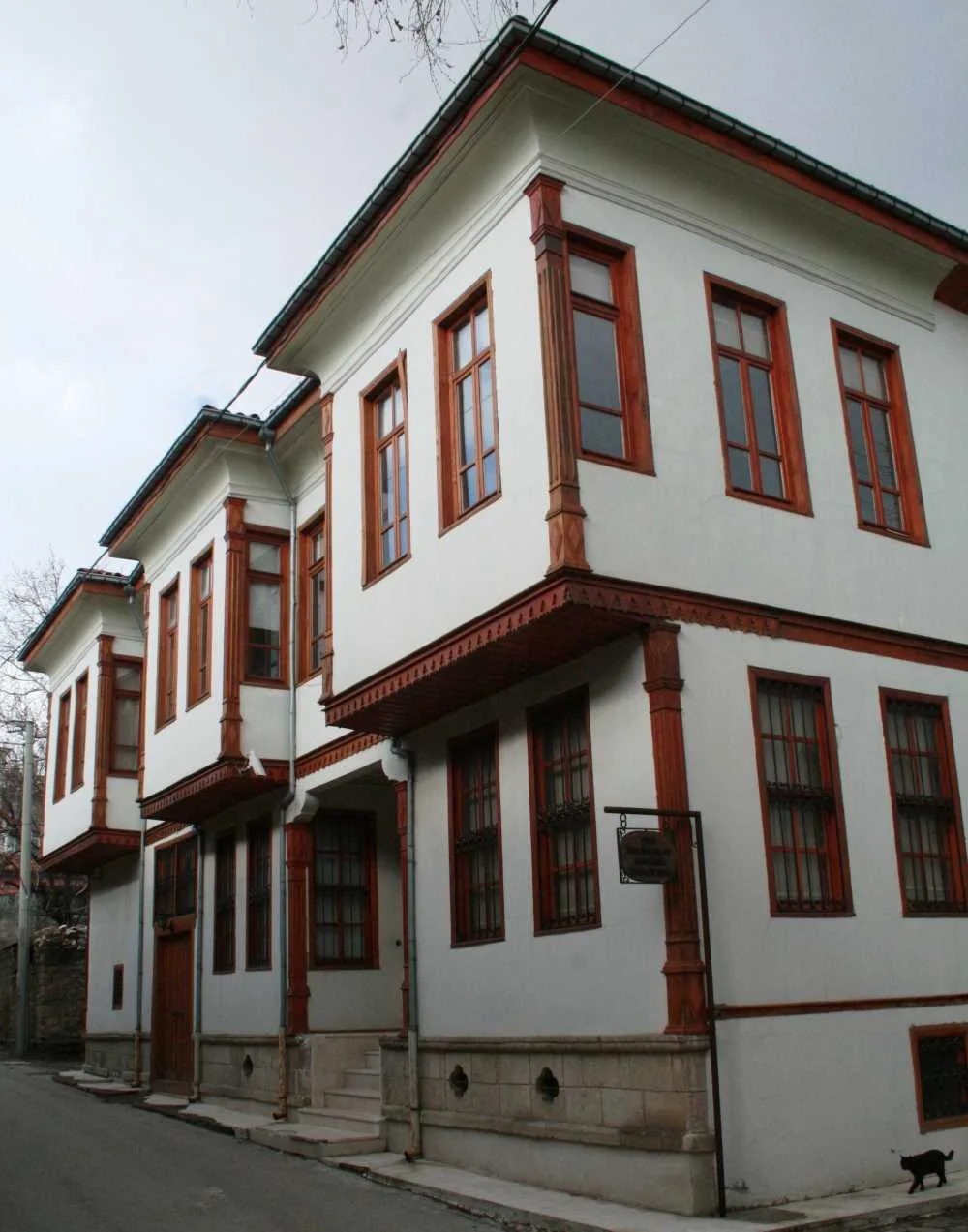
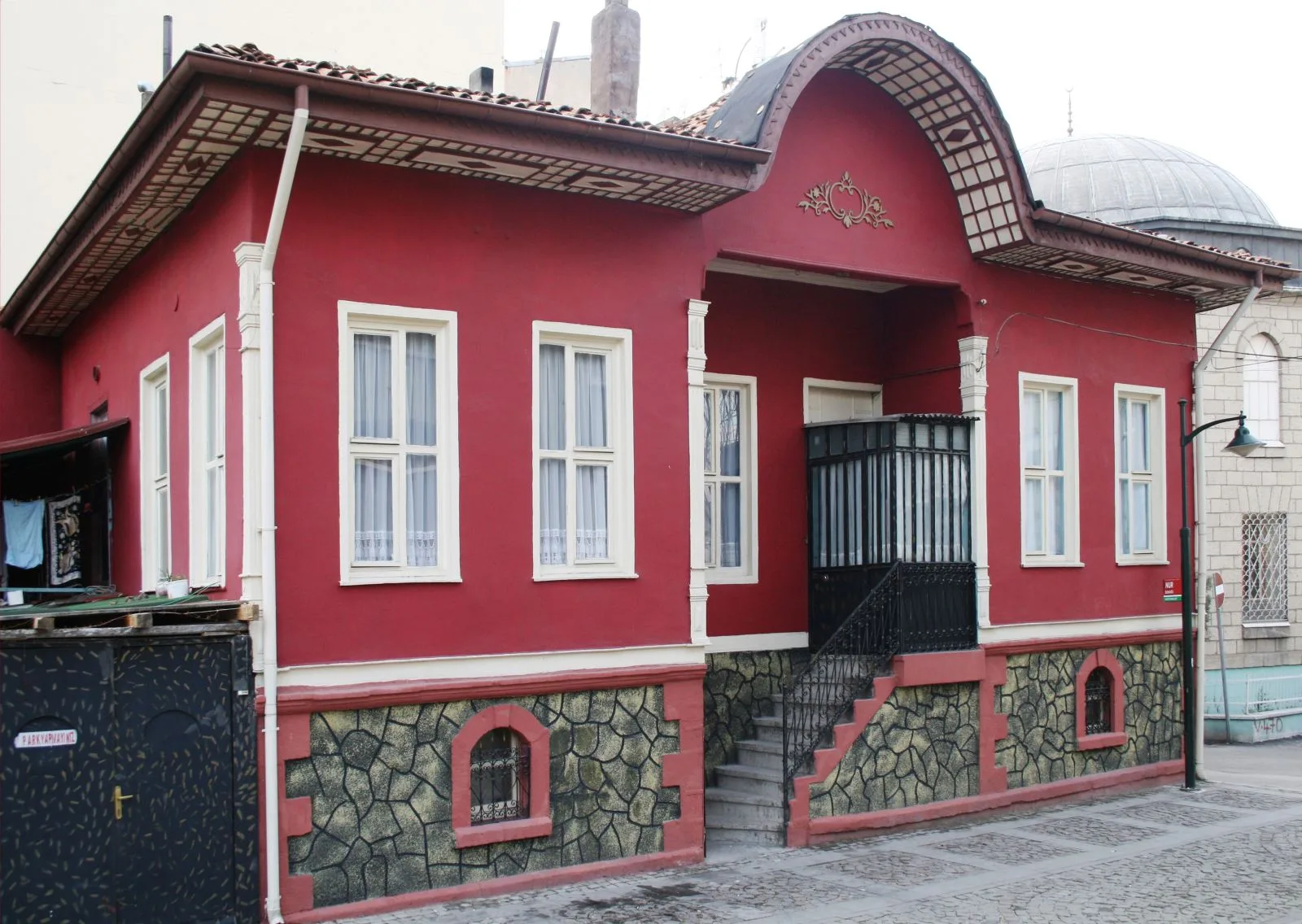
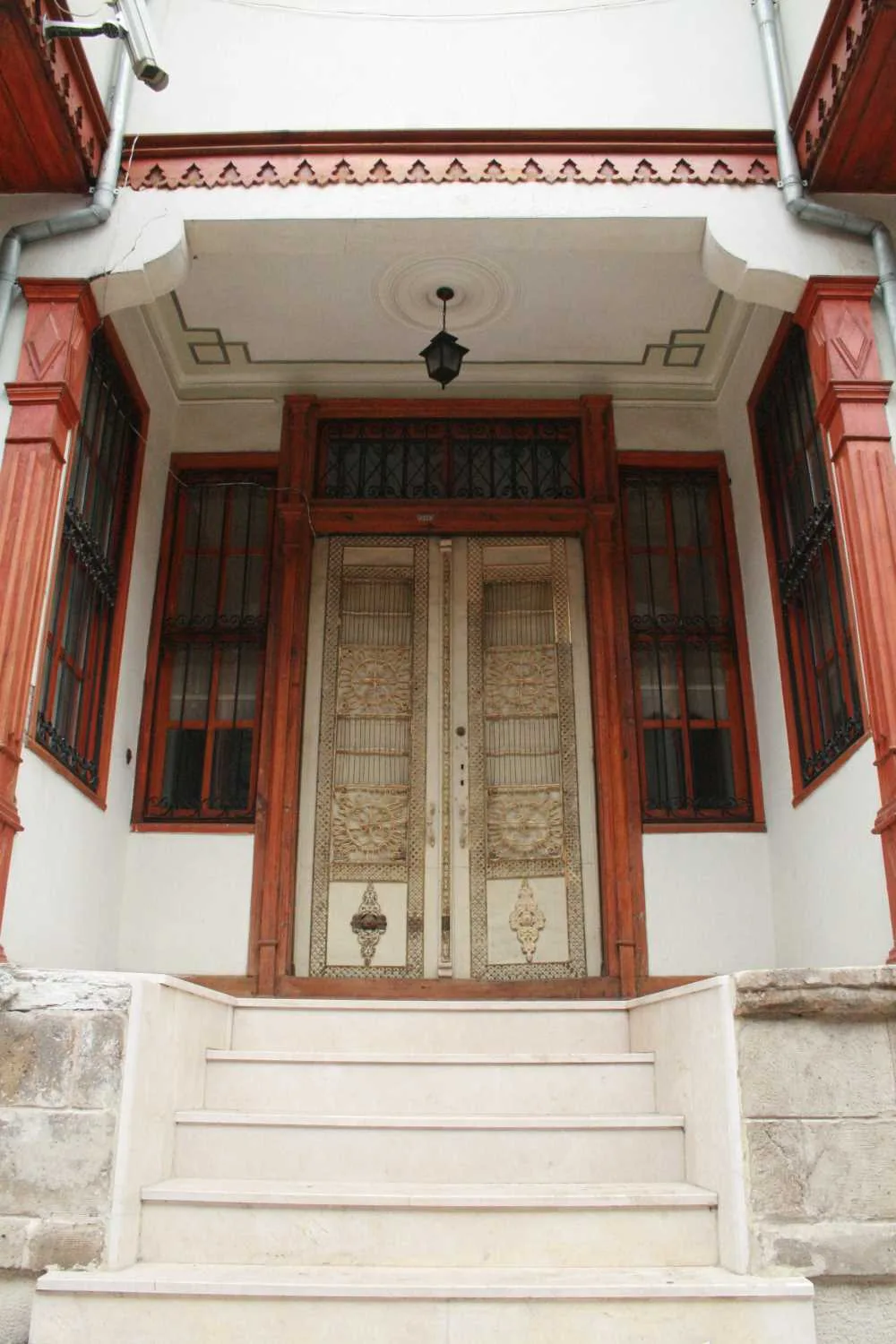
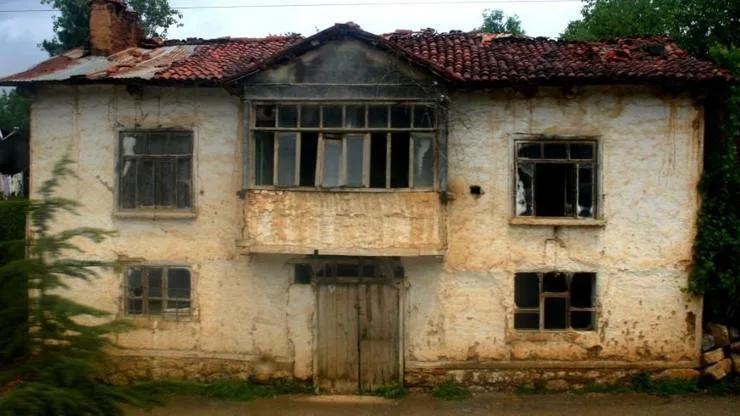
Historic Isparta Houses in central Isparta, Türkiye, are traditional dwellings featuring stone ground floors for workshops and wooden upper floors where families lived, reflecting the city's carpet-weaving heritage across multiple neighborhoods.
When walking around the center of Isparta, you can still see these houses on some streets, showing the daily life of the city's old population who lived by carpet weaving and agriculture. The ground floor was built of stone and used as a carpet workshop, pantry, stable, and hay storage. The upper floor was constructed with a wooden skeleton filled with himis (adobe), where the family lived. This division was no accident: animals and supplies on the lower floor, humans on the upper floor, providing some protection from winter cold.
Stone, wood, adobe, and plaster were used together as building materials. Wood served as both the supporting skeleton and in window frames and roof covering. Today, the densest concentrations of these houses are found in the Kepeci, Celebiler, Gazi Kemal, Kececi, Sermet, Kurtuluş, Doganci, Dere, Emre, Karaağaç, and Yayla neighborhoods. This is not a single museum building, but a scattered urban fabric throughout the city's streets. Therefore, a visit requires not a single address but a walking route.
Celebiler Neighborhood stands out particularly in the literature; some of the houses here have survived to the present day either in original condition or after restoration. Those who come to Isparta only for the lake and lavender often skip this area. However, a short detour is enough for those who want to see the city's civil architectural heritage.
Guide's Note
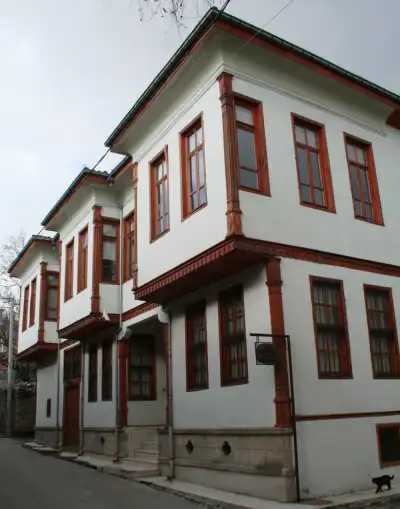
What do these houses tell us?
The people who used to live in Isparta and its surroundings engaged in agriculture and animal husbandry, as well as carpet weaving. For this reason, the houses were generally two stories: ground floor served as a carpet workshop, pantry, stable, and hay storage; the first floor was the living area. The basement and ground floors were entirely stone, while upper walls were built with adobe-filled himis or baghdadi technique. Wood was used in both the supporting skeleton and in window frames and roof covering, with earth and plaster used as auxiliary materials.
How to get there, where to start?
The historic houses are not concentrated in one location; they are scattered across Kepeci, Celebiler, Gazi Kemal, Kececi, Sermet, Kurtuluş, Doganci, Dere, Emre, Karaağaç, and Yayla neighborhoods. If you're staying in the city center, you can reach most neighborhoods on foot or by short taxi ride. Celebiler Neighborhood is a logical first stop in terms of the concentration of examples.
How much time should you allocate?
1-2 hours is sufficient if you're walking through several neighborhoods. For a short tour of a single neighborhood, even half an hour may suffice. Those who want to take photographs and examine facade details can extend the time.
Route suggestion
Starting from Celebiler Neighborhood and walking toward Kepeci and Gazi Kemal areas is a logical sequence for seeing the city's old fabric. Other historic sites in Isparta such as Old Grape Market, Firdevs Bey Bedesten, and Firdevs Pasha Mosque are also close to the center and can be added to the same day.
Things to keep in mind
Most of the houses are still private property, and entering them is not possible. When viewing from the street and taking photographs, it is important to respect the privacy of residents. Some structures are in poor condition, while some have been restored; the difference between the two is easily understood from the facade materials.
Good photography spots
Facades where the himis technique is most visible, points where the wooden skeleton stands out between adobe fill. Morning light brings out the contrast between the stone ground floor and the wood-adobe texture of the upper floor more clearly.
Connection with other stops in the city
Places to visit in central Isparta are close to each other: Old Grape Market, Firdevs Bey Bedesten, Firdevs Pasha Mosque, and Ethnography Carpet and Kilim Museum easily fit into the same day. After exploring the historic houses, visiting these stops allows you to see both the city's civil and religious-commercial architecture together.
This content originates from neresigezilir.com.tr and may not be copied without permission.
Historic Isparta Houses Videos
Historic Isparta Houses videos load when you open this section to keep the page fast.
Show videos
FAQ
Updated: