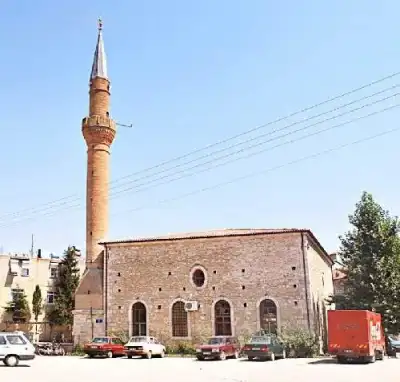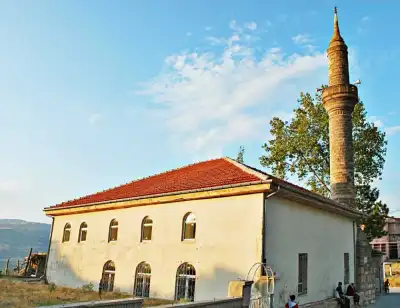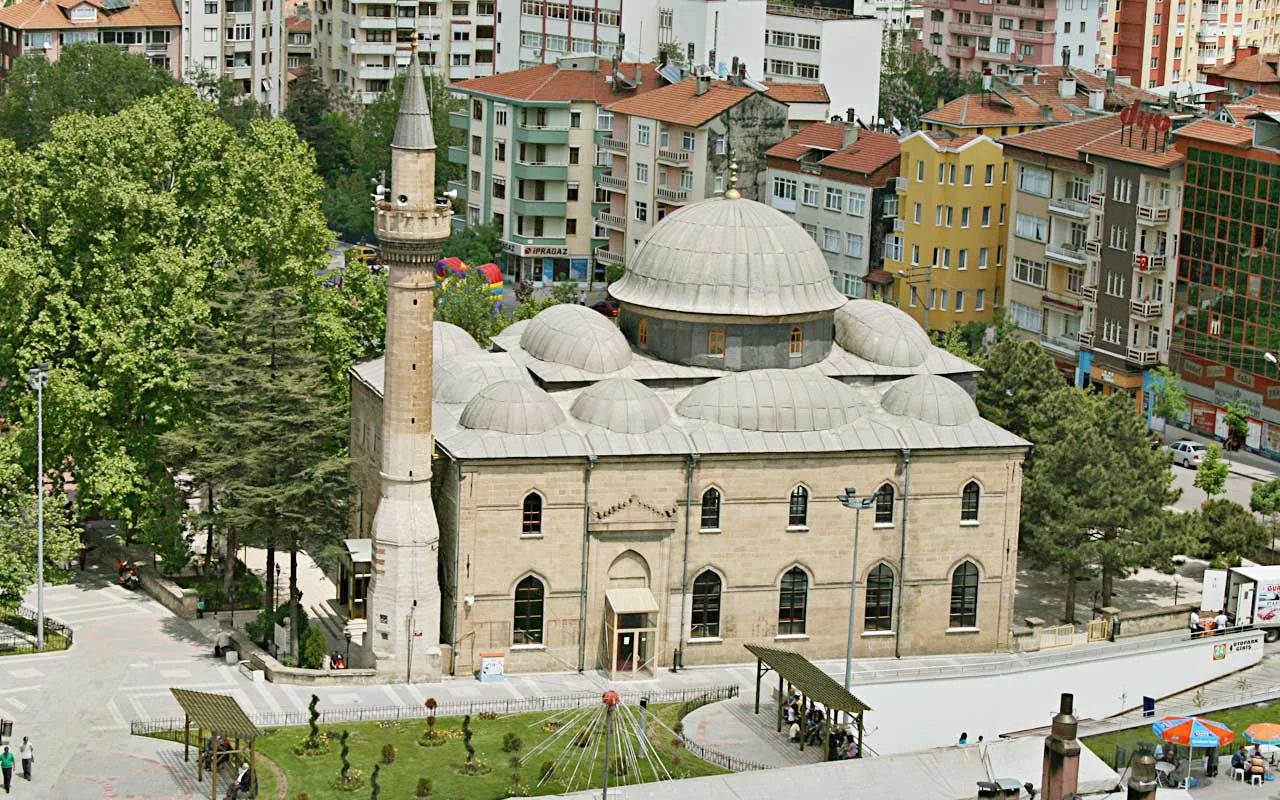
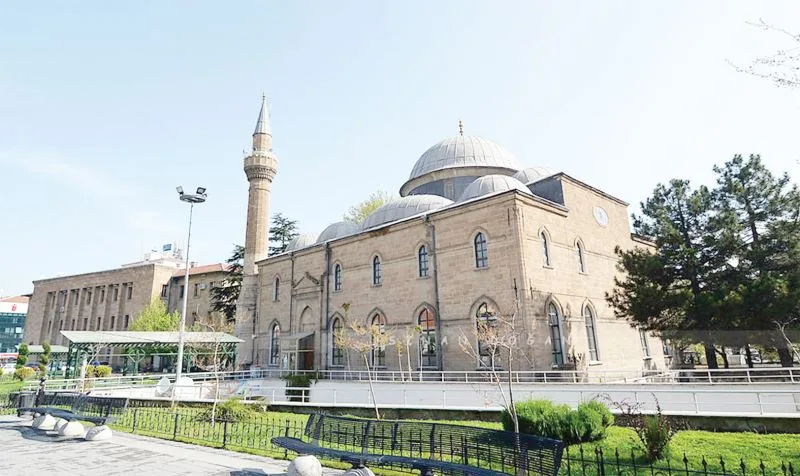
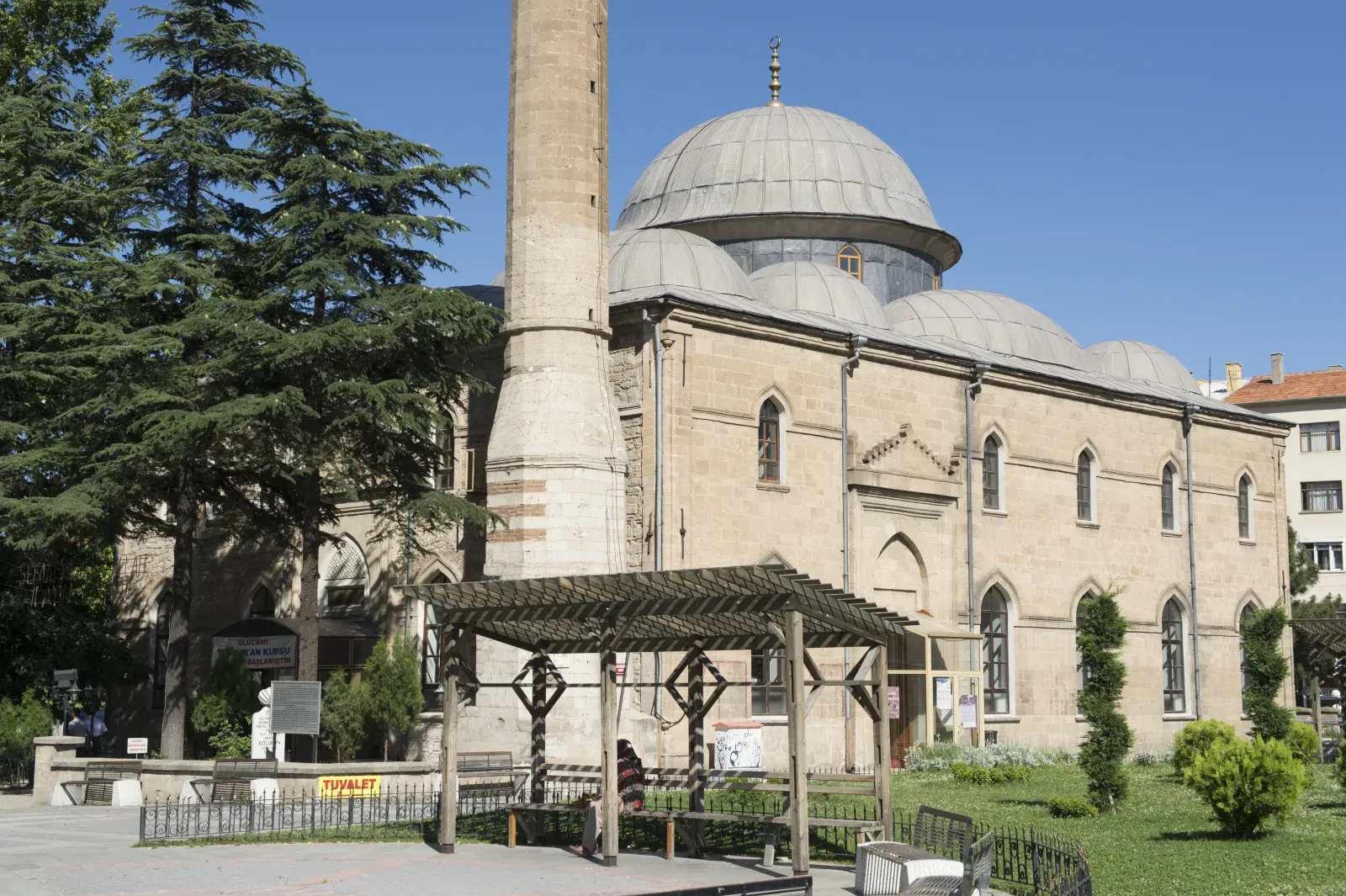
Isparta Grand Mosque in Isparta, Türkiye, is a historic place of worship with origins dating to 1429, rebuilt in 1922 after an earthquake, featuring a central dome and single minaret, and is free to visit.
Isparta Grand Mosque is one of the oldest places of worship in the city. According to foundation records, a mosque already existed on this land in 1429. The mosque is named after the Ottoman commander Kutlu Bey, who served during the reign of Murad I. During maintenance in 1899, it was discovered that the pillars supporting the roof had rotted, so the structure was completely demolished. A new masonry and multi-domed mosque, reminiscent of Hagia Sophia, was built in honor of the 25th anniversary of Abdülhamid II's ascension to the throne. This second building was completed in 1904 but was destroyed in the 1914 earthquake. The structure you see today dates from 1922.
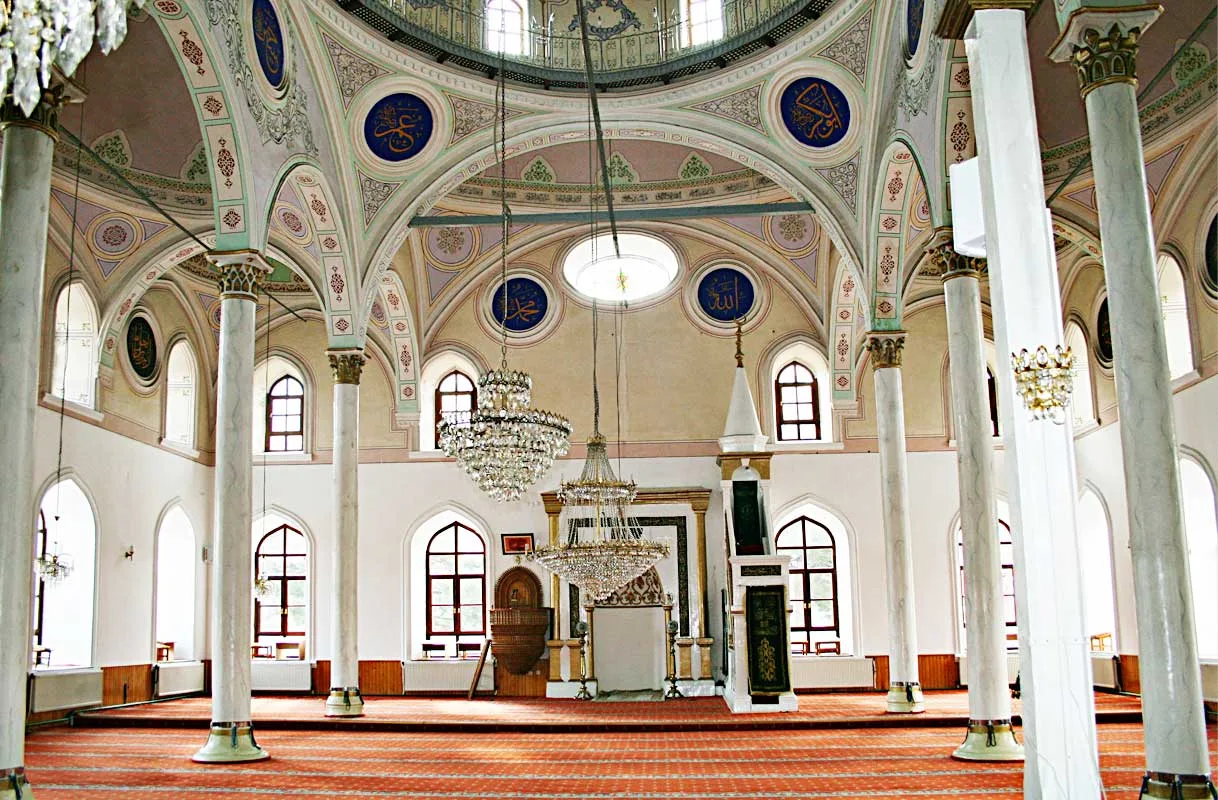
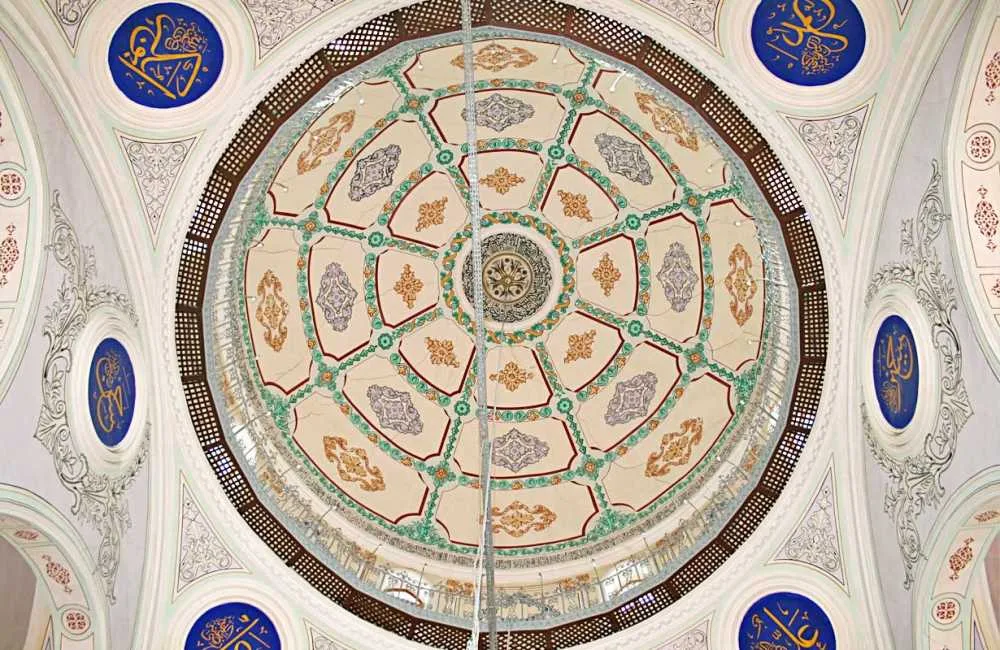
The mosque, with a rectangular plan oriented north-south, is known for its single minaret at the northwest corner. Inside, there is a central dome, elliptical coverings on all four sides, and small domes in the corners; transitions are provided by pendentives. Pen-work decorations and medallions are particularly striking on the dome and pendentive surfaces, and the mihrab has a pointed arched conch. Visitors often praise the stone craftsmanship and the elegance of the minaret, as well as the tranquility felt upon entering.
The mosque underwent extensive restoration, initiated by the General Directorate of Foundations in April 2023, and was reopened for worship with the Eid al-Fitr prayer in 2026. The tomb of Kutlu Bey, considered the founder of the mosque, is located in its garden. Around it, there are plane trees, a small park, and a historic hammam; a municipal multi-story car park is right next to it.
Guide's Note
History: From 1429 to Today
According to foundation records, a mosque already existed on this land in 1429. The structure is named after the Ottoman commander Kutlu Bey; Kutlu Bey was a figure who served in the region during the reign of Murad I and contributed to the mosque's establishment. In 1899, when the roof was opened for maintenance, it was discovered that most of the pillars had rotted, so the mosque was completely demolished. In memory of the 25th anniversary of Abdülhamid II's ascension to the throne, it was decided to build a masonry and multi-domed structure similar to Hagia Sophia; this building was completed in 1904. However, it was destroyed in the 1914 earthquake, and the mosque you see today was rebuilt in 1922.
Architecture and Decorations
The mosque, with a rectangular plan oriented north-south, has a single minaret at its northwest corner. On the east and west facades, there are five arched window openings on the lower and upper levels, four on the south facade, and four lower and five upper arched window openings on the north. Inside, there are ellipses around the central dome and small domes in the corners; transitions are provided by pendentives. The central dome has eight window openings, and pen-work decorations and medallions are striking on the interior surfaces. The mihrab has a pointed arched conch. The most frequently mentioned details in visitor comments are the stone craftsmanship and the elegance of the minaret.
When to Visit
Since the mosque is actively open for worship, visits are calmer outside of prayer times. The mosque can be full before and during Friday prayers, so avoid these hours for tourist visits. Comments mention a calm atmosphere even on weekends; this may vary depending on the intensity of the city center.
How to Get There
The mosque is located in Isparta city center, in Kutlubey Neighborhood, on Dalboynoğlu Street. It is close enough to be visited on foot along with other historic mosques in the center. If you come by car, you can use the municipal multi-story car park right next to the mosque.
How Much Time to Allocate
20-30 minutes is sufficient to explore the interior and exterior of the mosque, admiring the stone craftsmanship and decorations. If you wish to see the tomb in its garden and sit for a while in the park under the plane trees, you can extend your visit.
Other Stops Nearby
There are other historic mosques near this mosque in Isparta city center, so it makes sense to start your city tour from this area. The historic hammam in the mosque garden and the park under the plane trees are suitable stops for resting during your tour. The bazaar in the city center is also within walking distance.
Things to Note
The mosque is an active place of worship, so respectful attire and silence during prayer times are expected. As it underwent restoration between 2023-2026, some parts of the structure may appear new; this has been handled with the preservation of the historical texture in mind. It is advisable for women to carry a headscarf.
This content originates from neresigezilir.com.tr and may not be copied without permission.
FAQ
Updated: