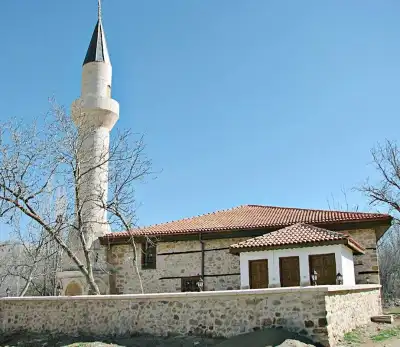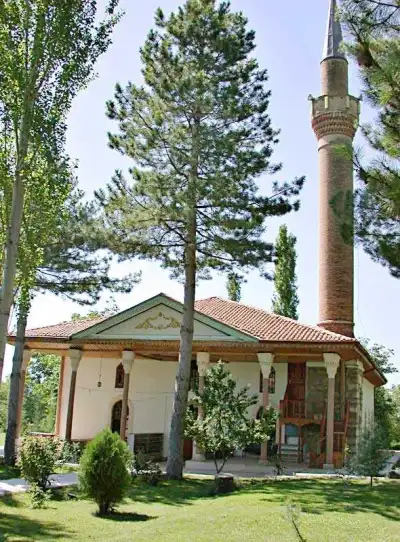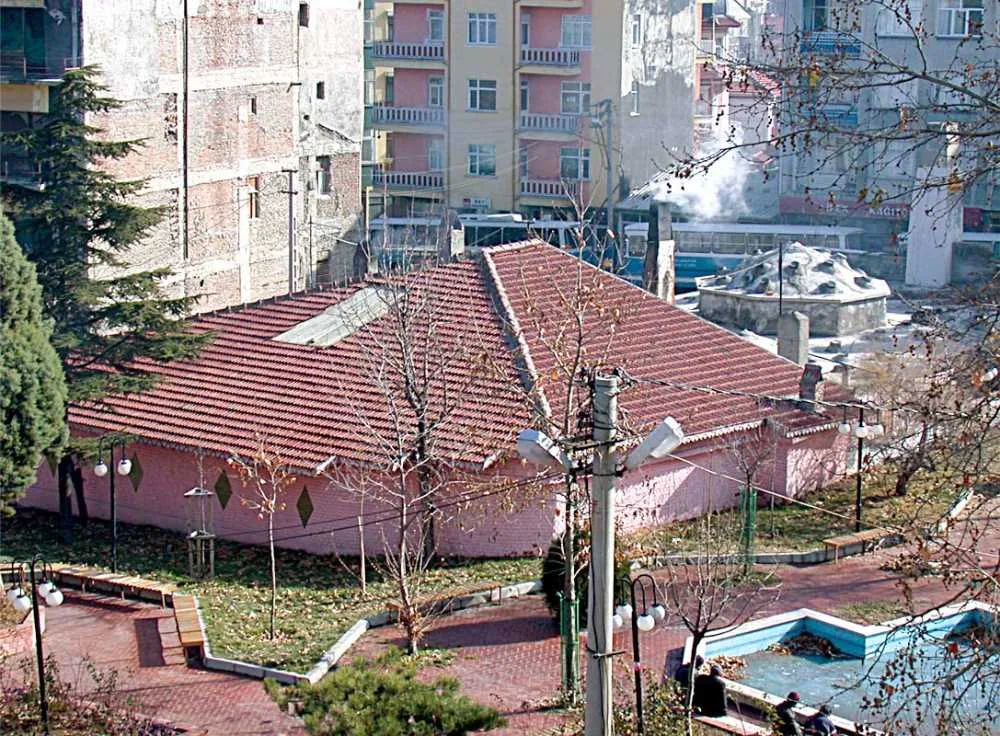
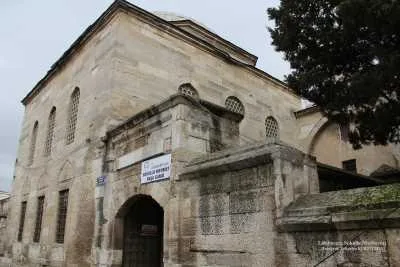
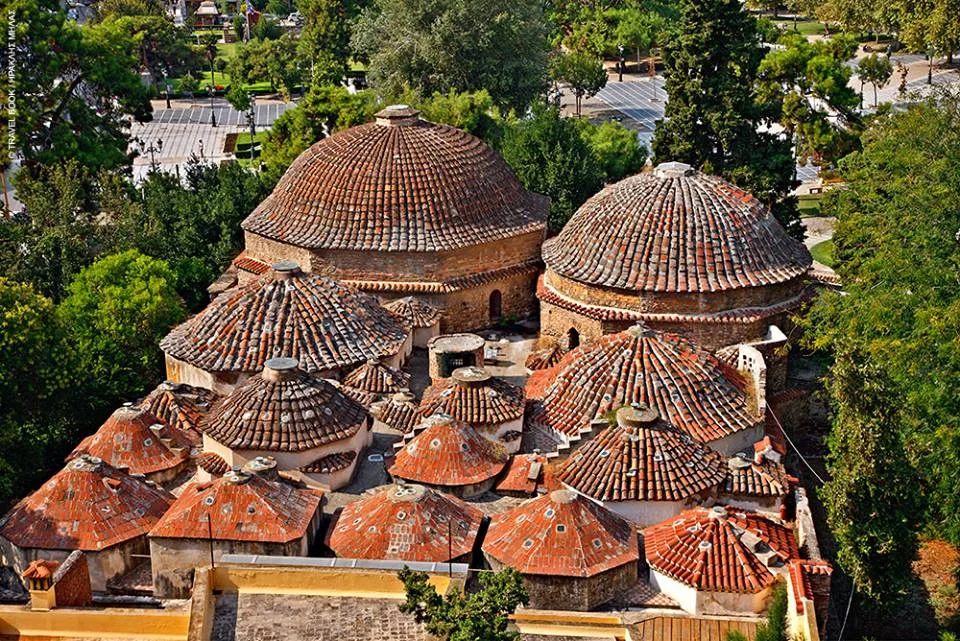
Bey Hamamı, Isparta merkezinde Ulu Cami'nin doğusunda bulunan, yapım tarihi ve banisi bilinmeyen Osmanlı dönemi hamamıdır. Soğukluk, ılıklık ve sıcaklık bölümleriyle klasik hamam mimarisini yansıtır ve sıcaklık bölümündeki sekiz kurnası dönemin su tesisatını gösterir.
Bey Hamami is located in the center of Isparta, near the government building and on the east side of the Grand Mosque. It is not known who built the structure or when. This type of missing information is common among small-scale Ottoman bathhouses in Anatolia. However, an interesting document about water has survived: in the bathhouse's early period it obtained water from a separate fountain distinguished from tea water; later, a woman named Amine Hatun had water from the Andik Stream brought to it, and part of this water was connected to the bathhouse. This arrangement was formalized in records with a religious deed dated H. 1140 / M. 1728.
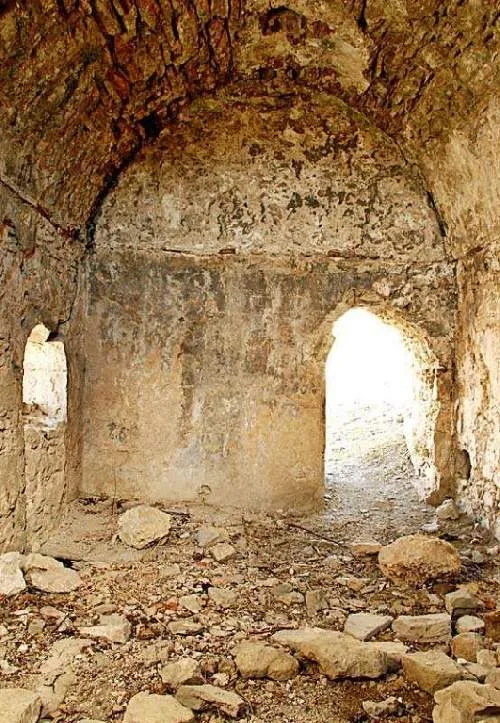
Inside, the classical three-part plan is preserved: cold, warm, and hot sections. In the hot section there are eight basins with two faucets each and a central omphalos stone in the middle; these basins that dispensed hot and cold water separately provide insight into the plumbing of that era. It is covered by a dome with numerous windows, but the dome is low and flat. Compared with some other bathhouses in Isparta, such as the New Bathhouse, it can be said to have a more modest volume.
A structure in the city center that easily fits into daily walking routes. It can be considered an additional stop for those visiting the Grand Mosque. Rather than expecting a large tourist bathhouse complex, it is a more appropriate approach to visit it as a quiet trace of the city's daily history.
Guide's Note
Best Time for a Visit
Since Bey Hamami is an enclosed structure, it offers flexible visiting throughout the seasons. As city center tours are typically done during the day, planning morning or afternoon hours together with the Grand Mosque and other nearby historical structures is practical. In summer months, it can also serve as a short, shaded rest stop for those escaping the heat of the center.
How to Get There
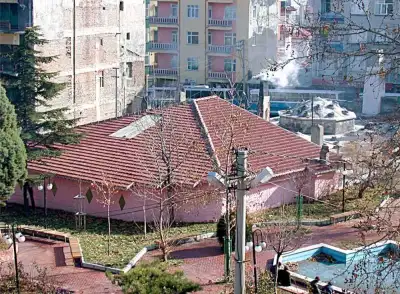
The bathhouse is located in the center of Isparta near the government building and east of the Grand Mosque. After arriving at the city center by bus, minibus, or private vehicle, completing the final section on foot is the easiest way. Thanks to Isparta's compact city center structure, finding parking and walking a few minutes is usually sufficient.
Other City Center Stops
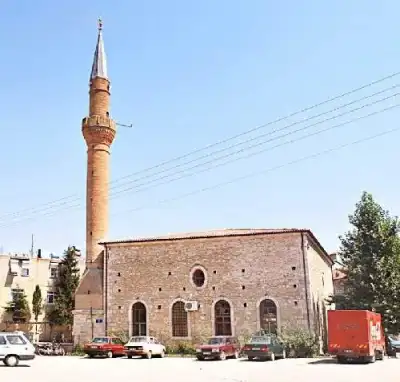
The Grand Mosque (Kutlu Bey Mosque) is located right next to Bey Hamami, making it easy to visit both structures in the same walking route. Other historical structures such as Iplikci Mosque are found in the nearby area. A small historical fabric has formed in the center of Isparta that can be explored on foot; Bey Hamami is a quiet but distinctive part of this fabric.
How Much Time to Allocate
15-20 minutes is sufficient to examine the exterior of the structure and access the interior if available. When considered as part of an Isparta city center tour, this becomes a small but meaningful stop on a half-day city walking route.
Route Suggestion
Starting with the Grand Mosque in the center of Isparta and then proceeding immediately to Bey Hamami is a logical sequence. Afterward, you can also visit other historical bathhouses in the city, such as the New Bathhouse (Dalboynoglu Hamami). This way, the city's Ottoman-era water and worship architecture is gathered into a single walking route.
Things to Note
The functional status of the structure—whether it is an active bathhouse, museum, or closed—may change over time. Before visiting, it is useful to verify current information from the Isparta Provincial Culture and Tourism Directorate or local sources. Since entrance hours and possible fees are unclear, confirm these details before going to the center.
Historical and Architectural Features
It is unknown who built the bathhouse or when, but a detailed record about its water source has survived to our time. In its early period it obtained water from a separate fountain distinguished from tea water; later, part of the water that Amine Hatun had brought from the Andik Stream was allocated to the bathhouse, and this arrangement was recorded with a religious deed dated H. 1140 / M. 1728. The structure consists of cold, warm, and hot sections in accordance with the classical Ottoman bathhouse plan. The eight basins with two faucets each dispensing hot and cold water and the central omphalos stone in the hot section draw attention. The dome covering it has many windows but is low and flat, giving the structure a simple and modest appearance.
This content originates from neresigezilir.com.tr and may not be copied without permission.
FAQ
Updated: