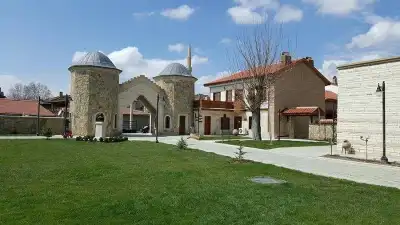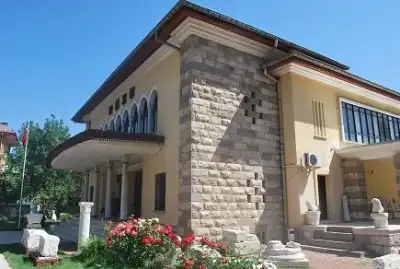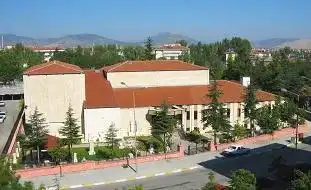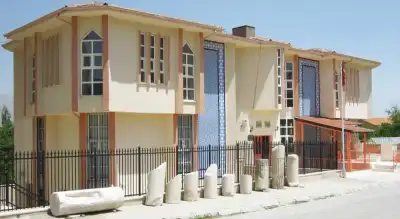
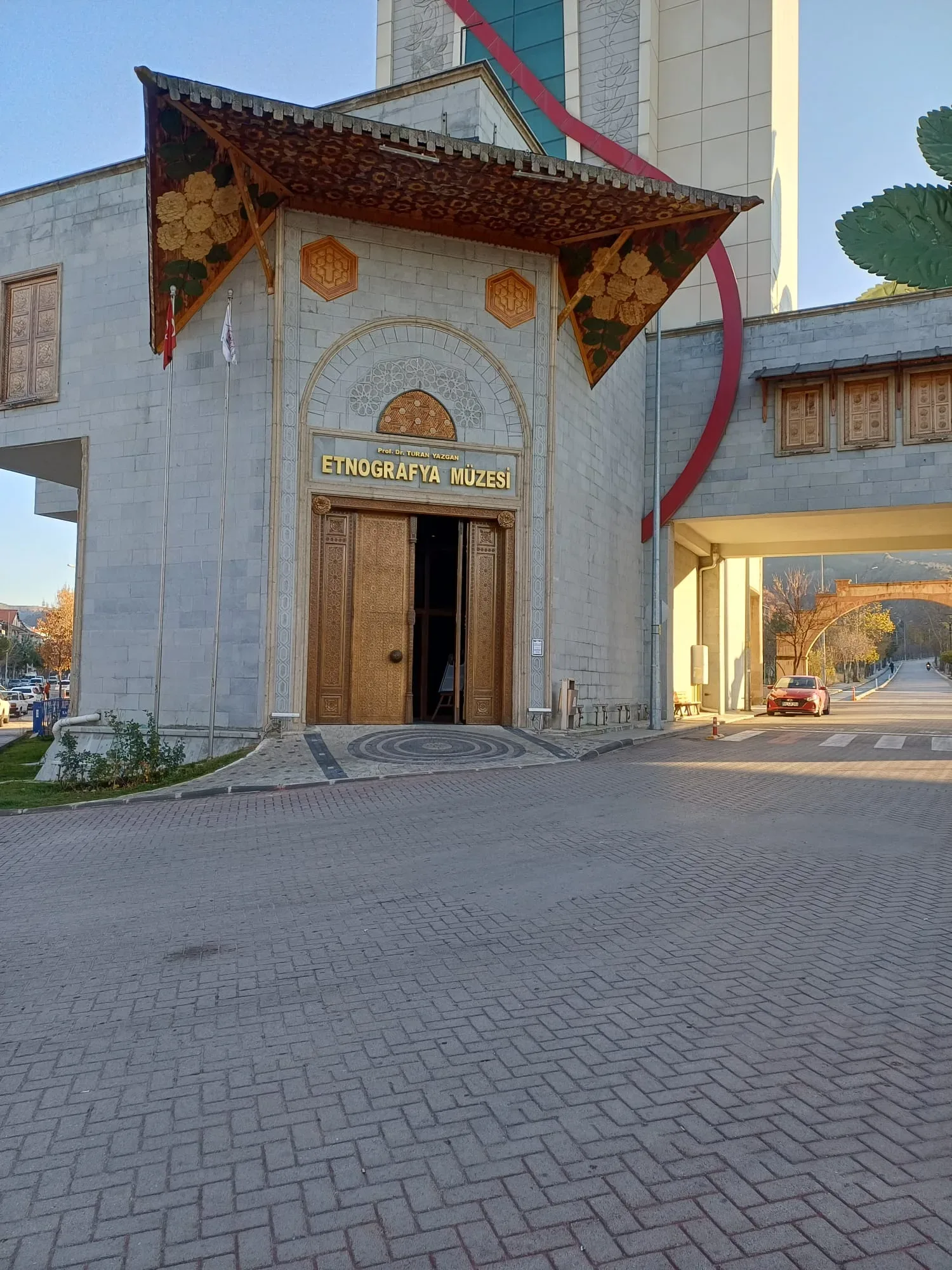
Prof. Dr. Turan Yazgan Ethnography Museum in Isparta, Türkiye, is a free tower-shaped museum housing approximately 3,500 Anatolian carpets, kilims, and ethnographic pieces, opened by the municipality in 2013.
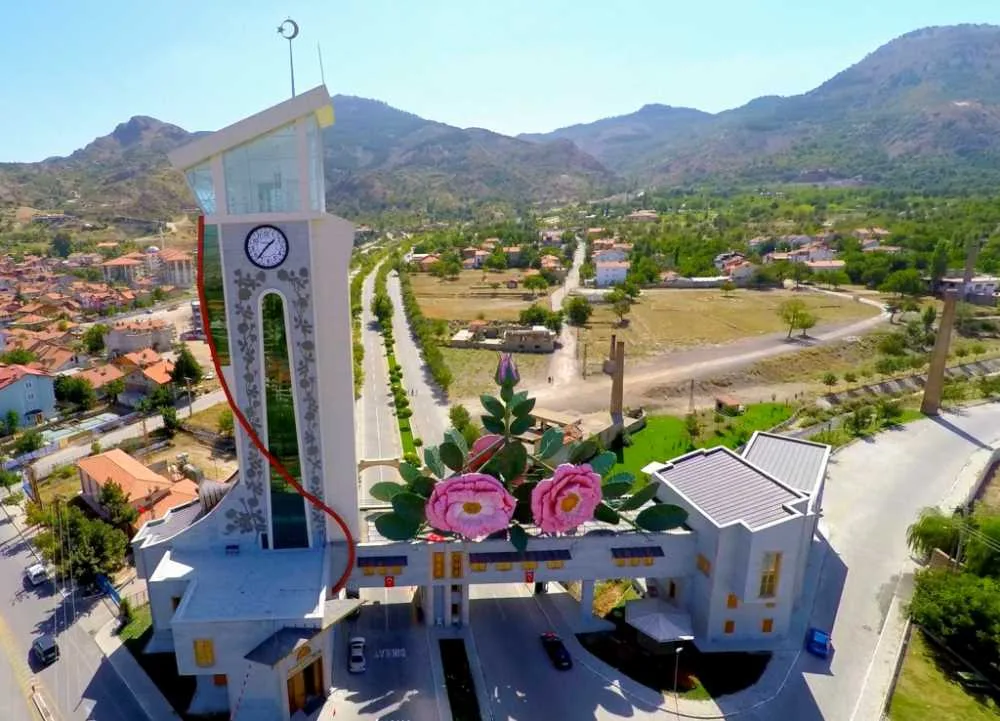
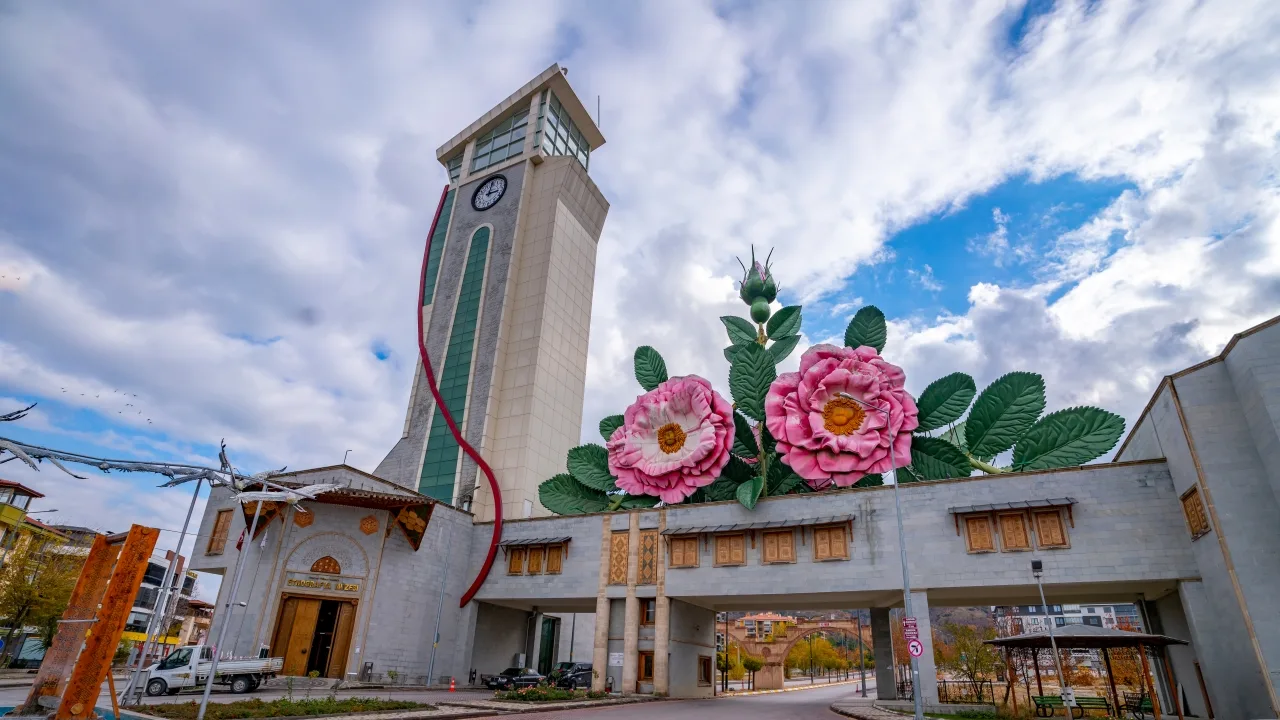
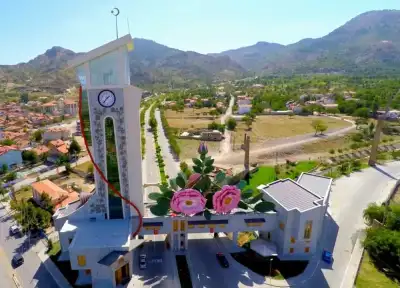
This museum, opened by the Isparta Municipality in 2013, is not simply a carpet warehouse but rather an exhibition structure designed in the shape of a 10-11 story tower. In an enclosed area of approximately 3,200 square meters, there are around 3,500 carpets, kilims and ethnographic pieces produced by Turks in Anatolia. Part of the collection was created with the contribution of a philanthropist named Hasan Çam, who donated 106 carpets to the museum.
The most unique aspect of the visit is hidden in its sequence: it is recommended to take the elevator to the top floor first and then descend floor by floor from there. Visitors note that this method provides an unconventional experience. The top floor of the tower is arranged like an observation terrace, from which there is a panoramic view of Isparta and a composition featuring the world's three largest Isparta roses. From one of the lower floors, you can watch master weavers working at their looms; some visitors mention finding an opportunity to tie a knot themselves, describing that moment as having been a matter of pride for them.
The museum is visited by approximately 50,000 people annually. Admission is completely free, a detail frequently emphasized in visitor reviews. Those coming with children find the museum educational because it provides an opportunity to compare ancient weaving techniques with contemporary carpets.
Guide's Note
Best Time to Visit
The museum is open throughout the year with no seasonal restrictions. Group visits are less frequent in the morning hours, allowing for a comfortable exploration of the floors by visiting early. The views from the observation terrace at the top floor are clearer on clear days and during hours with abundant daylight.
How to Get There
The museum is located in Isparta Center, in the Doğancı District, at the entrance of Gokçay Recreation Area. Since it is close to the city center, it can be reached in a short time by private vehicle or taxi. It has a free parking lot, making it a practical option to visit by your own vehicle.
Time to Allow
An average of 1 to 1.5 hours is sufficient to explore the 10-11 floors. If you want to watch the master weavers or try tying a knot yourself, the duration may extend slightly. It is a compact stop that can be added to a half-day plan.
Suggested Tour Route
The most recommended method by visitors is as follows: take the elevator directly to the top floor, view the panoramic views and rose composition from the observation terrace, and then explore the floors one by one going downward by stairs or elevator. This sequence allows you to experience the museum like a story descending from above. When approaching the lower floors, do not miss the section where live master weavers are working.
Photo Spots
The observation terrace at the top floor is the most notable spot with its panoramic city views and the large Isparta rose composition. The external facade of the tower also offers an interesting angle for photography with its distinctive architecture. Since there may be restrictions on video recording indoors, consulting with the staff before taking photos will help avoid problems.
Things to Note
Some visitors share criticism about the souvenirs sold in the gift shop section of the museum, so it is advisable to examine the products carefully before purchasing. There is an unclear restriction regarding video recording; even for short recordings, it is safer to communicate with the staff. The building was constructed near a riverbed, a detail that has been noted for those interested in this aspect.
Collection and Donation Story
A significant portion of the carpets and kilims in the museum have been enriched by the donation of a personal collection of 106 pieces by a philanthropist named Hasan Çam. Visitors comment on the differences between carpets produced using ancient weaving techniques and contemporary productions; they particularly point out that labor-intensive handicraft cannot be sustained in the same manner today. It is possible to watch female master weavers working using traditional methods on the lower floors.
This content originates from neresigezilir.com.tr and may not be copied without permission.
FAQ
Updated: