
Embark on a 2-day historical and cultural journey in the heart of Amasya. As you explore 11 significant stops located on both banks of the Yeşilırmak River, you will witness a rich history stretching from ancient times to the Ottoman Empire. This walkable route offers you both a peaceful and informative travel experience.
Amasya is a city nestled between mountains on the banks of the Yeşilırmak River, with history emanating from every corner. On this two-day route, you will explore 11 stops in Amasya city center on foot, witnessing the city's layered past up close. This journey, filled with mosques, madrasahs, tombs, and Turkish baths, will offer you both a peaceful and informative experience.
Çilehane Mosque
Çilehane Mosque, a prominent historical structure in Amasya, is an old Halveti Lodge built by Yakup Pasha in 1413. Located in the city center, at the foot of Harşena Mountain, this building, with its square plan and single dome, is one of the well-preserved examples of Early Ottoman architecture. This place, where dervishes retreated, is still open for worship today. It's good to allocate about 1.5 hours here.
Mehmet Pasha Mosque
The Mehmet Pasha Mosque in Saray District was built in 1486 by Mehmet Pasha, the tutor of Şehzade Ahmet, son of Bayezid II. It is a beautiful example of the inverted T-plan mosque tradition often seen in Amasya. Its original wooden door carvings are exhibited in the Amasya Museum, which shows the structure's place in art history. About 1.5 hours is sufficient to see the mosque's simple yet powerful architecture.
Mustafa Bey Bath
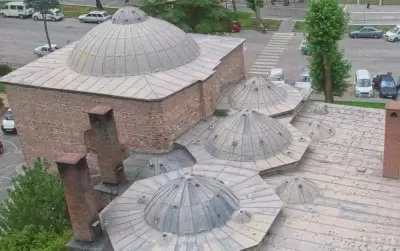
Mustafa Bey Bath, located in the center of Amasya on Mehmet Pasha Street, was built in 1436. This bath, a work of Mustafa Bey, son of Yörgüç Pasha, stands out with its four domes and cut stone masonry. The elephant-footed pool and fountain at its entrance are also details not to be missed. You can spend about 1.5 hours in this bath, which is still actively serving today.
Pir Sücaeddin İlyas Tomb
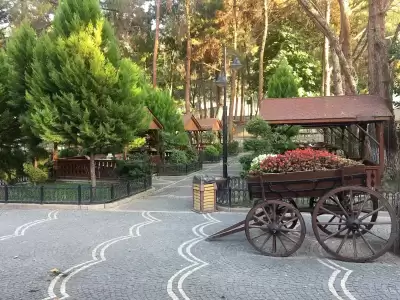
The Pir Sücaeddin İlyas Tomb, located in Pirler Park, is a silent witness to the 15th-century Ottoman heritage. Dedicated to Şücaeddin İlyas Hazretleri, who passed away in 1433, this tomb is an important stop reflecting Amasya's spiritual side. It stands out with its transverse rectangular plan. You can feel the spiritual atmosphere with a half-hour visit here.
Hamdullah Efendi Tomb
The Hamdullah Efendi Tomb, located in Sofular District, is a square-planned, single-domed structure built in 1847. It houses the graves of Hamdullah Efendi, the 23rd postnişin of the Hacı Bektaş Veli Dervish Lodge, and his wife Güleser Hanım. The monument to Hamdullah Efendi, also known as the founder of the Ottoman calligraphy school, is important for the Alevi tradition. You can spend about 1.5 hours here.
Hatuniye Mosque
The Hatuniye Mosque, located on the banks of the Yeşilırmak in Hatuniye District, was built in 1510 by Bülbül Hatun, wife of Sultan Bayezid II. This mosque, an elegant example of Ottoman architecture, draws attention with its deep niche entrance gate and delicate decorations. When combined with the river view, it offers you a different perspective. A visit of about 1.5 hours will be sufficient.
Yıldız Bath
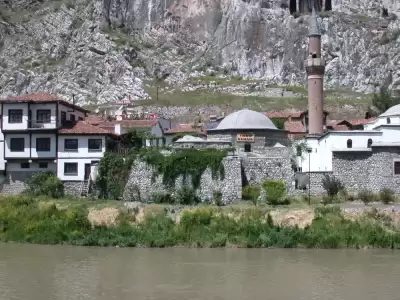
The Yıldız Bath, part of the Hatuniye Complex, was completed in 1510 and is an active Turkish bath preserving the Seljuk heritage. It is also known as Çukur Hamam or Hatuniye Hamamı. Lying on the göbektaşı (heated marble slab) and gazing at the dome can be an important part of the Amasya experience. You can allocate 1.5 hours here for a bath experience.
Fethiye Mosque – Amasya
Fethiye Mosque, located in Amasya's Fethiye District, was built as a Byzantine church in the 7th century and converted into a mosque by Danişmendli Fetih Gazi in 1116. It is one of the oldest examples of religious conversion in Anatolia. Its inverted T-plan structure and deep niche entrance gate are interesting. You can allocate about 1.5 hours to visit this historical structure.
Gümüşlü Mosque
The Gümüşlü Mosque, near Yavuz Selim Square, was built in 1326 during the Ilkhanate period by Taceddin Mahmud Çelebi, making it one of Amasya's oldest mosques. It has taken its current form through centuries of earthquakes and repairs. Its inverted T-plan structure and square prayer hall reflect early mosque architecture. You can take a journey into history with a visit of about 1.5 hours here.
Kapı Ağası Madrasah (Büyük Ağa Madrasah) – Amasya
Located on the banks of the Yeşilırmak, it was built in 1488 by Hüseyin Ağa, the chief doorkeeper of Sultan Bayezid II. It deviates from classical madrasah architecture with its octagonal courtyard plan and a garden with a pool adorned with flowers. Today, it is open to visitors as a museum. Visitors highly appreciate its historical atmosphere. Allocate about 1.5 hours for the madrasah.
Künç Bridge
The Künç Bridge, built over the Yeşilırmak in the 12th century by Hundi Hatun, daughter of Sultan Mesud II, is one of the original structures of the Anatolian Seljuk period. Its cut stone masonry and its location at the point where the Yalıboyu Houses look most beautiful make it ideal for photographers. You can spend half an hour on this bridge, one of Amasya's symbols.
Along this route, you can take pleasant breaks in Amasya's historical bazaars and taste local delicacies. Especially the restaurants along the Yeşilırmak offer both food and scenic views. Since the stops within the city are within walking distance, you won't need public transportation; explore Amasya with enjoyable walks.
Places in This Article
Places to visit mentioned in this article

Amasya Bayezid II Complex
A complex built by Şehzade Ahmed between 1485-1486 on the banks of the Yeşilırmak River: mos…
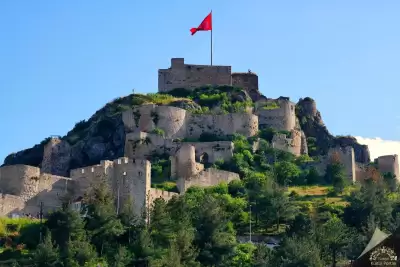
Amasya Castle
Rising atop Mount Harşena, Amasya Castle is the city's most impressive structure, with a dee…

Amasya Pontus King Rock Tombs
Carved into the limestone cliffs of Mount Harşena, the Pontus King Rock Tombs have dominated…

Bimarhane Madrasa (Darüşşifa) – Amasya
Rising on the banks of the Yeşilırmak River in Amasya, the Bimarhane Madrasa is a medical sc…
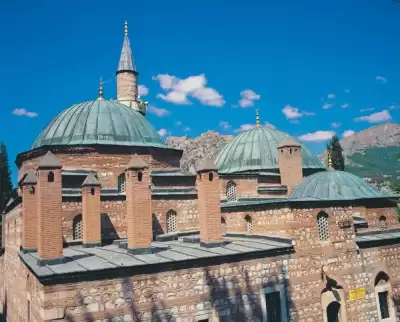
Çilehane Mosque
Çilehane Mosque, woven into the historical fabric of Amasya, is an authentic Halveti Lodge b…

Esençay Şahin Plateau
Located 7 km from Esençay village in Taşova district of Amasya, at an altitude of 1100 meter…
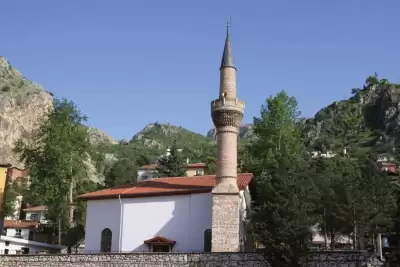
Fethiye Mosque – Amasya
Fethiye Mosque, located in Amasya's Fethiye District, was built as a church in the 7th centu…
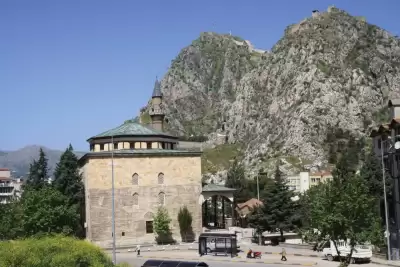
Gümüşlü Mosque
Gümüşlü Mosque, Amasya's oldest Ottoman mosque, is an integral part of the city's historical…
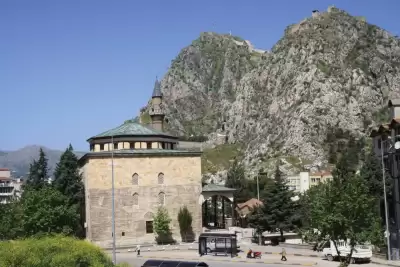
Gmşl Mosque
Gmşl Mosque, one of Amasya's oldest mosques, was built in 1326 during the Mongol-Ilkhanid pe…
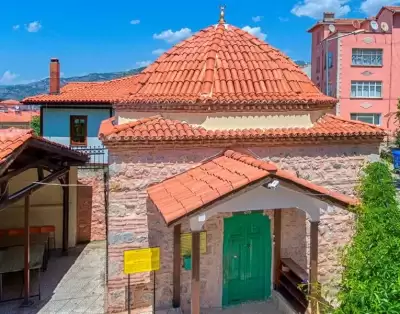
Hamdullah Efendi Tomb
Located in Sofular Neighborhood in Amasya city center, Hamdullah Efendi Tomb is dedicated to…
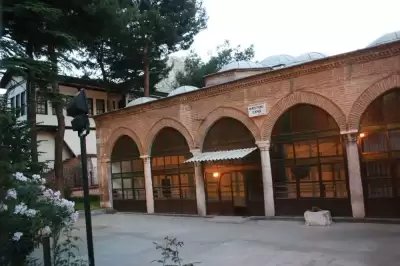
Hatuniye Mosque
Rising on the banks of the Yeşilırmak River in Amasya's Hatuniye neighborhood, Hatuniye Mosq…

Kapı Ağası Madrasah (Büyük Ağa Madrasah) – Amasya
Rising on the banks of the Yeşilırmak River in Amasya, the Kapı Ağası Madrasah is an authent…
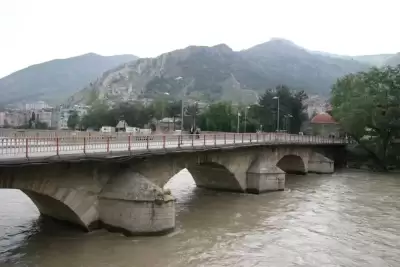
Künç Bridge
Rising over the Yeşilırmak in the heart of Amasya, Künç Bridge is one of the most unique str…

Mehmet Pasha Mosque
Rising in the city center of Amasya, Mehmet Pasha Mosque was built in 1486 by Mehmet Pasha, …

Miniature Amasya Museum
The Miniature Amasya Museum, which recreates Amasya's silhouette from 1914 on a 1/150 scale,…
Mustafa Bey Bathhouse
In the heart of Amasya, this historic bathhouse, built in 1436 by Mustafa Bey, son of Yörgüç…

Pir Sucaeddin Ilyas Tomb
Hidden within Pirler Park in the heart of Amasya, the Pir Sucaeddin Ilyas Tomb is a silent a…
Pirler Park
Located in the heart of Amasya, in the Sofular neighborhood, Pirler Park is one of the city'…

Rock Tombs of the Pontus Kings
The Rock Tombs of the Pontus Kings, a symbol of Amasya, are monumental Hellenistic structure…
Yıldız Hamamı
In the heart of Amasya, Yıldız Hamamı, completed in 1510 as part of the Hatuniye Complex, is…