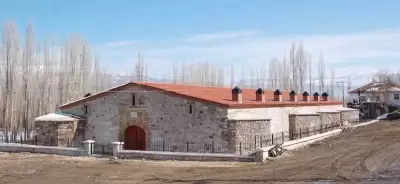
Gmşl Mosque is a religious structure from the Ilkhanid period, located near Yavuz Selim Square in Amasya, built in 1326 by Taceddin Mahmud Çelebi. Reflecting early mosque architecture with its inverted T-plan and square prayer hall, the mosque was destroyed in the 1419 earthquake, rebuilt in subsequent centuries, and renovated by Gmşlzade brahim Bey in 1688.
Gmşl Mosque is a historical work located in Amasya's historic city center, rising right next to Yavuz Selim Square and among the city's most ancient religious structures. The mosque, originally built in 1326 during the Mongol-Ilkhanid rule, was commissioned by Taceddin Mahmud Çelebi. The original wooden-roofed structure was destroyed in an earthquake in 1419; it was rebuilt and underwent various renovations in subsequent centuries.
The renovation that gave the mosque its current name, Gmşl, was carried out in 1688 by Gmşlzade brahim Bey. The mosque, notable for its inverted T-plan structure and square-plan prayer hall, also attracts visitors with its deep niche-shaped entrance gate and interior decorations. Although it has deviated somewhat from its original form due to extensive renovations, it continues to be one of Amasya's indispensable stops due to its architectural features and historical importance.
Guide's Note
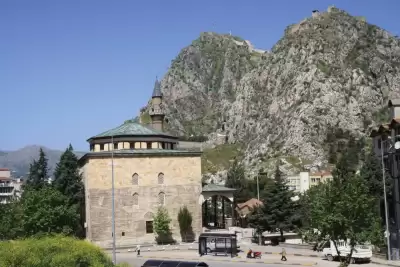
Gmşl Mosque, located opposite the Government Bridge in Amasya, has a deep-rooted history dating back to 1326. The structure, repeatedly destroyed and rebuilt due to earthquakes and fires, stands today with its square-plan stone architecture and brick minaret. Visitors particularly find the simple stone craftsmanship and the vertical design, which is unusually tall for its period, striking.
Inside, the pencil-work decorations from the 1960s and the rooms on the sides are among the interesting details. The mosque, with its unpretentious, calm atmosphere, stands out as a valuable stop for those who wish to pray and see a historical building up close. Many visitors recommend stopping by when in Amasya.
- Need for restoration: At least one visitor notes that the dome section, in particular, needs serious repair; the general maintenance status of the structure could be carefully examined.
- Small scale: The mosque is modest in size; going with the expectation of a large complex or a spacious courtyard will provide a more realistic visiting experience.
Best Time to Visit
Any time of year is suitable for visiting Gmşl Mosque; however, April-May and September-October are the most pleasant periods in terms of both weather conditions and the general atmosphere of the city. Amasya can be quite hot in summer, so planning your visit for early morning or late afternoon offers a more comfortable experience. It is recommended to adjust your visit time, keeping in mind that entry to the interior may be restricted during prayer times.
How to Get There
The mosque is located in the very heart of Amasya, right next to Yavuz Selim Square. Walking from the city center is the most practical option. You can reach it with approximately a 10-15 minute walk from Amasya Train Station. For those wishing to come to Amasya by train from Samsun, the journey takes about 3 hours. City minibuses use the Mehmet Paşa Street route. Those arriving by car can look for parking in the surrounding streets.
History of the Mosque
The story of Gmşl Mosque dates back to 1326, when Amasya was under Mongol-Ilkhanid rule. The mosque was built by Gmşlzade Taceddin Mahmud Çelebi; the original wooden-roofed structure was destroyed in the great earthquake of 1419. Subsequently rebuilt, the mosque underwent extensive renovation in 1688 by Gmşlzade brahim Bey and acquired its current name thanks to this renovation. Although it has deviated from its original form due to major interventions, the structure continues to be an important witness reflecting Amasya's historical layers.
Architectural Features
Gmşl Mosque bears the traces of early mosque architecture in Anatolia with its inverted T-plan structure and square-shaped prayer hall. One of the most striking elements of the structure is its entrance gate, designed in the form of a deep niche. The decorations in the interior are also among the details closely examined by visitors. Although the mosque has a different appearance today compared to its original wooden-roofed structure, it is an integral part of Amasya's architectural heritage with its historical texture and location.
Photo Spots
Gmşl Mosque and its surroundings offer a suitable environment for beautiful shots reflecting Amasya's historical atmosphere. The front of the entrance gate is an interesting photo spot with its deep niche detail. In wide-angle photographs taken from Yavuz Selim Square, the mosque can be framed together with the city's historical fabric. The soft light in the early morning best reveals the texture of the stone surfaces and the play of shadows. Compositions created with surrounding historical structures can also yield very impressive results.
What to Eat Nearby
Gmşl Mosque is within walking distance of Amasya's historical bazaar and dining establishments. Products made from the city's famous Amasya apple can be easily found in nearby shops. You can try local delicacies of Black Sea cuisine in restaurants around Mehmet Paşa Street and Yavuz Selim Square. Amasya's traditional desserts and local cheese varieties are also definitely worth tasting. Cafes and restaurants along the historic waterfront where the Yalıboyu houses are located offer ideal options for a pleasant break after a meal.
Suggested Itinerary
You can spend a full day by combining Gmşl Mosque with other historical structures in Amasya. Starting from the mosque early in the morning, you can add Mehmet Paşa Mosque and Sarahane Mosque, which are within walking distance, to your itinerary. Afterwards, you can visit the Yalıboyu houses along the Yeşilırmak river and head towards the historical bazaar. In the afternoon, Amasya Castle and the rock tombs are suitable options for a visit. This route allows you to discover the city's historical layers in a single day.
This content originates from neresigezilir.com.tr and may not be copied without permission.
FAQ
Updated: