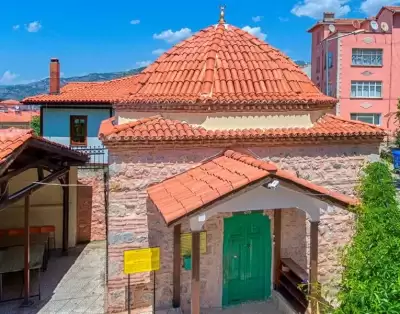
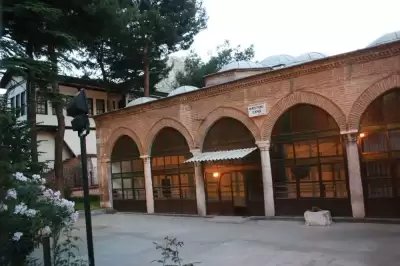
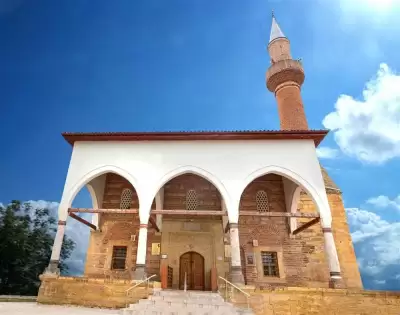
Kilari Selim Ağa Mosque is an Ottoman mosque built in 1484, located in Amasya city center between Taşhan and Bedesten. The structure, which alternately uses cut stone and brick, stands out with its side-chambered plan type and pen work, and is open to visitors free of charge.
Nestled in the very heart of Amasya's historic bazaar, seemingly squeezed between Taşhan and Bedesten, the Kilari Selim Ağa Mosque is actually one of the city's least-talked-about but most valuable gems. The mosque takes its name from Selim Ağa, a prominent palace official during the reign of Bayezid II, known by the title of kilarcıbaşı (chief pantry keeper). It was built in 1484, during the period of the şehzades (Ottoman princes) when Amasya was of particular importance to the Ottoman Empire.
In the architecture of the structure, cut stone and brick were used together; the alternating arrangement of these two materials gave the facade a unique rhythm. Considered one of the distinguished examples of the side-chambered or zawiya mosque plan, the interior is supported by round columns. The rich pen work inside the dome and above the window arches reflects the ornamentation style of the period. The five-sided niche-shaped mihrab in the qibla wall is adorned with muqarnas; the transition to the octagonal-drummed dome is provided by corner squinches.
Guide's Note

When to Visit?
Kilari Selim Ağa Mosque is a structure that can be visited throughout the year; however, Amasya's mild weather in spring and autumn makes city walks much more enjoyable. The hours immediately after the morning prayer are the calmest time inside the mosque; during these hours, you can both examine the interior in peace and observe the reflection of natural light on the dome and pen work. Before and after Friday prayers, it is possible to experience an atmosphere full of local shopkeepers and residents; this is a beautiful experience that makes one feel that the building is still a vibrant place of worship.
How to Get There?
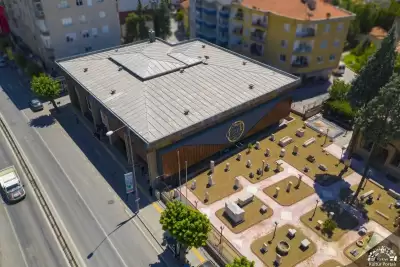
The mosque is quite easy to find as it is located on Amasya city center's main street, between Taşhan and Amasya Bedesteni. As you walk along Mustafa Kemal Paşa Street, you will encounter the mosque's facade between these two historic structures. You can reach a nearby point by walking from Amasya bus station towards the center or by city minibuses. Parking is available around Taşhan for those arriving by car. Since it is within walking distance of other historical structures in the city center, you do not need to make a separate transportation plan for the mosque; it will naturally appear as you walk along Amasya's historic bazaar route.
Architectural Features and Historical Background
The mosque was built in 1484 by Selim Ağa, who held the title of kilarcıbaşı (chief pantry keeper) of the Ottoman palace. This date, corresponding to the year 890 in the Hijri calendar, is also confirmed in contemporary sources. The structure is one of the distinguished examples in Amasya of the plan type known in Ottoman architecture as a side-chambered or zawiya mosque. In this plan type, units added to both sides of the main prayer hall create both functional and spatial richness.
The alternating use of cut stone and brick as facade material gives the structure a visual rhythm and a texture specific to the Anatolian Ottoman architecture of the period. Inside, three round columns are noteworthy. The transition to the dome is provided in an octagonal drum arrangement; corner squinches softened this transition. The muqarnas mihrab in the qibla wall and the pen work inside the dome and on the window arches are the most valuable elements of the building's ornamentation program.
Suggested Route in the Historic Bazaar
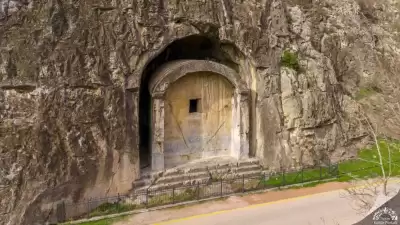
Kilari Selim Ağa Mosque is a natural stop on a walking route designed to explore Amasya's historic bazaar. You can start your morning at Amasya Bedesteni, visit the mosque, and then immediately visit Taşhan next to it. From there, you can descend to the Yeşilırmak riverbank and head towards other Ottoman-era structures such as Hatuniye Mosque and Burmalı Minare Mosque. In the afternoon, you can climb to the Pontus royal tombs and Amasya Castle to view the city from above. This route allows you to experience Amasya's different layers in a single day.
Photography Notes
On the exterior of the mosque, the horizontal banded texture created by cut stone and brick creates a beautiful play of shadows in the morning light; early hours, when the sun hits from the east, offer an ideal position to frame the facade. Inside, the pen work within the dome and the muqarnas sequence above the mihrab contain valuable details for close-up shots. A wide-angle shot of the mosque together with Taşhan and Bedesten in the same frame summarizes Amasya's historic bazaar texture in a single image. When taking photos during prayer times, remember to show respect to those worshipping.
Things to Know Before Visiting
Kilari Selim Ağa Mosque is an active place of worship. Visitors wishing to enter the interior are advised to come outside of prayer times and check if the door is open. Shoulders and knees are expected to be covered during the visit; a headscarf is required for female visitors. Since you need to remove your shoes at the entrance, choosing easy-to-wear and remove footwear is practical. High heels are not recommended as the sidewalks around the building are narrow and stone-paved. Wheelchair access is not available.
This content originates from neresigezilir.com.tr and may not be copied without permission.
FAQ
Kilari Selim Ağa Mosque videos load when you open this section to keep the page fast.
Updated: