Aynalı Mağara is a monumental rock tomb belonging to the Mithraic priest Tes, dating back to the 2nd century BC and located 3.3 km from Amasya city center. It stands out as one of the best-crafted examples of the Hellenistic period, notable for its colorful wall frescoes.
Among the rock tombs that form the historical fabric of Amasya, the best-preserved and most prominent is undoubtedly Aynalı Mağara. Located on the Ziyaret Town road, 3.3 kilometers from the city center, this monumental structure dates back to the 2nd century BC, during the Hellenistic Era. The inscription reading 'Tes the High Priest' on the tomb's pediment clearly reveals that the structure belonged to a Mithraic priest who lived in Amasya.
Standing out as the most impressive example among the rock tombs in the Amasya valley in terms of both scale and craftsmanship, Aynalı Mağara goes far beyond an ordinary tomb thanks to the colorful Hellenistic paintings adorning its walls. Also known locally as the Cave of Güzelce Kız (Beautiful Maiden), it has been kept alive for centuries through the legend of the same name. It is also known that Christians used it as a place of worship throughout history; this multi-layered past offers visitors the opportunity to trace multiple civilizations at a single spot.
Guide's Note
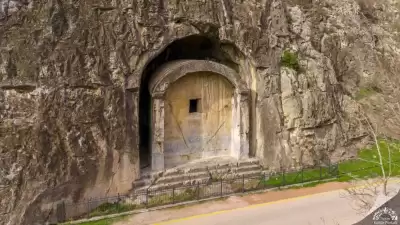
Standing out among the rock tombs in Amasya due to its historical and architectural significance, Aynalı Mağara receives mostly positive feedback from visitors. The site is a massive Hellenistic rock tomb from the 3rd century BC, built on behalf of High Priest Tes (Tios) of the Ancient City of Comana. It derives its name (meaning 'Mirrored Cave') from the extraordinarily smooth and polished finish of the rock facade.
The structure's multi-layered history is another prominent feature. Inside, there are traces of 11th-century Byzantine frescoes depicting Jesus Christ and the Apostles, showing that the site hosted both pagan and Christian worship over time. It draws high interest from both domestic and foreign tourists during the summer months.
However, there are a few minor negative opinions as well. You may want to keep the following points in mind before visiting:
- One visitor felt the site was unimpressive and did not recommend it; managing your expectations beforehand may be helpful.
- There are mixed impressions regarding the "mirror-like" appearance mentioned in its name, with one visitor noting that this feature was not as striking on-site as expected.
Best Time to Visit
The most suitable periods to visit Aynalı Mağara are spring and autumn. In April and May, the surroundings are covered with lush greenery and temperatures remain comfortable for walking. In September and October, summer crowds diminish, and lighting conditions become wonderful for photography. Summer afternoons can bring intense sunlight, so planning your visit in the early morning or late afternoon will offer a much more enjoyable experience. During winter months, adverse weather conditions can occasionally affect the access road; if visiting during this period, we recommend checking weather forecasts beforehand.
How to Get There
Transportation is very easy as Aynalı Mağara is located just 3.3 kilometers from Amasya city center. If traveling by private vehicle, simply follow the Amasya-Erzurum highway and look for signs directing toward Ziyaret Town; vehicle parking is available near the cave. You can also reach the site quickly from the city center by taxi. Additionally, some minibus lines departing from central Amasya serve the Ziyaret Town direction; you can check current schedule details at local stops. If the weather is nice and you enjoy walking, you can also reach the cave via nature trails starting from the city center.
History and Significance
Aynalı Mağara is a monumental rock tomb constructed in the 2nd century BC during the Hellenistic Era. The question of who owned the tomb was answered thanks to the inscription on its pediment: High Priest Tes. This inscription serves as the primary evidence that the monument belonged to a Mithraic priest who lived in Amasya. Standing out as the largest, best-crafted, and most complete specimen among all rock tombs in the Amasya valley, Aynalı Mağara is one of the most striking representatives of Hellenistic rock-cut architecture in the region. Historically, it is also known that the monument was used by Christians as a place of worship, demonstrating that the cave bears traces of several successive civilizations rather than just a single era.
Photography Spots
Aynalı Mağara offers numerous photo opportunities for photography enthusiasts, thanks to both its architectural features and natural surroundings. The tomb's pediment and carved reliefs take on different appearances throughout the day under changing light angles; soft morning light showcases these details best. Wide-angle shots taken in front of the cave entrance are ideal for capturing the monument's grand scale. The traced colorful frescoes inside also present an intriguing subject for close-up photography. The surrounding rocky terrain and greenery create a lovely backdrop for portraits and landscape photos. Visiting on a weekday increases your chances of getting quieter shots free from crowds.
Where to Eat Nearby
After visiting Aynalı Mağara, simply head back to the city center to discover Amasya's rich culinary traditions. The famed Amasya apple stands as the symbol of local produce, known for its sweet flavor and crisp aroma. In the city's historic bazaar area, you will find many traditional restaurants serving regional dishes such as keşkek, tutmaç soup, and höşmerim. Restaurants along the banks of the Yeşilırmak River offer scenic and tasty dining options. For dessert, be sure to try local specialties like Amasya-style fruit leather (pestil) and walnut-filled grape sausage (cevızlı sucuk), which can also be purchased from local shops in the bazaar.
Suggested Itinerary
You can combine Aynalı Mağara with other historical sites in Amasya to create a fulfilling full-day itinerary. Start your morning early with a visit to Aynalı Mağara, when lighting and cooler temperatures offer optimal conditions. Return to the city center to explore the Tombs of the Kings of Pontus, perched high on cliffs offering panoramic views of the Yeşilırmak valley. Choose one of the riverside restaurants for lunch. In the afternoon, plan visits to the Amasya Museum and Amasya Castle. Conclude your day with a relaxing stroll past the historic Yalıboyu waterfront mansions along the Yeşilırmak River. Thanks to Amasya's compact layout, much of this itinerary can easily be covered on foot.
Things to Know Before Visiting
Keeping a few practical details in mind before visiting Aynalı Mağara will make your trip much smoother. The ground leading to and around the cave can be rocky and uneven, so wearing sturdy, comfortable shoes is essential. In the mid-summer months, mid-day sun can be quite intense, so remember to bring water and sunscreen. As lighting inside the cave may be limited, carrying a small flashlight helps you appreciate the inner details better. Visitor traffic increases on weekends and holidays; for a quieter experience, choose weekday mornings. Facilities around the site are very basic, so visitors should not expect extensive tourist amenities in the immediate vicinity.
This content originates from neresigezilir.com.tr and may not be copied without permission.
Aynalı Cave Videos
Aynalı Cave videos load when you open this section to keep the page fast.
Show videos
FAQ

Updated: