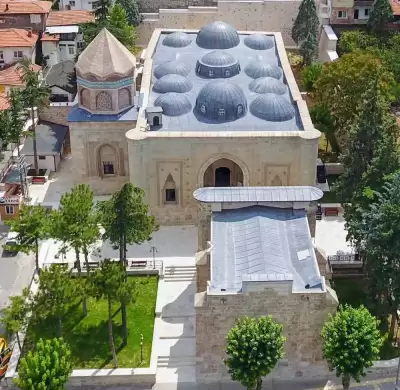
Ayas Ağa Mosque is a complex in Amasya's Şamlar Neighborhood, built in 1495 by the Gatekeeper of Bayezid II, comprising a mosque, madrasah, primary school, and cemetery. Its square plan and single dome offer a simple example of early Ottoman architecture.
Located in Amasya's Şamlar (Şamlılar) Neighborhood, the Ayas Ağa Mosque was built in 1495 by Ayas Ağa, the Gatekeeper of Bayezid II. Also known as the Küçük Ağa Complex or Şamlar Complex, the structure is an integrated complex comprising a mosque, madrasah, primary school, and cemetery. The walls of the square-planned, single-domed mosque are built of rubble stone, and there is a three-section portico for the latecomers on its north side.
One of the most striking features of the building is its inverted T-plan interior layout and its deep niche-shaped entrance door. The decorations inside contain elegant details reflecting the Ottoman art understanding of the period. This complex, quietly blended into Amasya's historical fabric, is a unique stop that remains in the shadow of crowded tourist attractions but deserves to be discovered.
Guide's Note
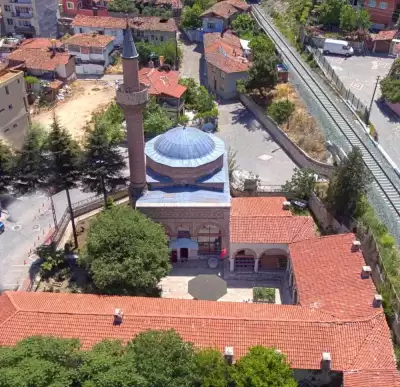
Ayas Ağa Mosque is described by the vast majority of visitors as a peaceful and historically atmospheric place. Comments particularly highlight the building's deep history and its spiritual significance.
According to historical records, the structure was built as a complex consisting of a mosque, madrasah, and school by Melik Gazi, one of the Danişmendli Beys, in the 1120s; it underwent extensive renovation in 1495 by Hüseyin Ağa, the gatekeeper of Bayezid II. Near the mosque, above the railway line, are also the tombs of Gülnuş Banu and her daughter Ayşe Gazi. Considered one of Amasya's first Turkish-Islamic works, the structure, despite its small scale, offers visitors a deep sense of history.
While all comments are positive, the number of comments providing detailed experiences about the place is quite limited. Therefore, it is difficult to make a comprehensive assessment on matters such as visiting conditions, accessibility, or maintenance status.
Best Time to Visit
Amasya's mild spring and autumn months are the most comfortable periods to visit Ayas Ağa Mosque. Between April-May and September-October, the weather is highly suitable for both walking and photography. Although temperatures rise in summer, early morning visits are quite enjoyable. Since congregation density may increase during Friday prayer times, weekday mornings can be preferred for those who wish to examine the interior more calmly.
How to Get There
Ayas Ağa Mosque is located in Şamlar Neighborhood, close to Amasya city center. It is possible to reach it on foot from the city center; you can easily find the mosque by walking from the historical bazaar area towards the inner parts of the neighborhood. For those coming by car, it is possible to find parking in the neighborhood, but since the streets are narrow, it is more practical to park nearby and walk. City minibuses run to Amasya center; from there, it can be reached by taxi or on foot.
Historical and Architectural Features
Ayas Ağa Mosque was built in 1495 by Ayas Ağa, the Gatekeeper of Bayezid II. Also known as the Küçük Ağa Complex or Şamlar Complex, the structure is an integrated complex comprising a mosque, madrasah, primary school, and cemetery. The walls of the mosque are built of rubble stone, and there is a three-section portico for the latecomers on its northern facade. The square-planned prayer hall is covered by a single dome. The building's inverted T-plan and deep niche-shaped entrance door are considered among the characteristic architectural elements of the early Ottoman period. The interior decorations contain elegant details reflecting the art understanding of the period.
Amasya Itinerary Suggestion
Ayas Ağa Mosque is part of an ideal itinerary for those who want to explore Amasya's historical fabric. You can start your morning by visiting the Yalıboyu Ottoman Houses and the Yeşilırmak riverbank, then stop by Taşhan and Bedesten in the city center. Visiting Ayas Ağa Mosque in the Şamlar Neighborhood in the afternoon completes the route beautifully. The narrow streets around the mosque also offer a small discovery on their own; the neighborhood's texture largely retains its originality.
Photography Spots
Although Ayas Ağa Mosque is not a flamboyant monumental structure, it is a very productive place for photography. The deep niche entrance door offers impressive shots with light and shadow play; especially the side light hitting the door in the morning highlights this detail. The colonnades of the portico for latecomers and the exterior view of the dome are also worth framing. The historical tombstones in the cemetery create an interesting area for detail photography. It is possible to capture the entire complex in a single frame with a wide-angle lens.
Things to Know Before Visiting
Ayas Ağa Mosque is an active place of worship; it is important to be quiet and respectful during your visit. Shoes must be removed when entering; female visitors are expected to cover their heads. Since the structure is small, visiting with large groups will make the interior feel very crowded, so individual or small group visits are more enjoyable. There may be surface irregularities around the rubble stone floor, so wearing appropriate footwear is recommended.
This content originates from neresigezilir.com.tr and may not be copied without permission.
Ayas Ağa Mosque Videos
Ayas Ağa Mosque videos load when you open this section to keep the page fast.
Show videos
FAQ
Updated: