Amasya Archeology Museum is a two-story museum located on Ziya Paşa Boulevard, near the city center, exhibiting artifacts from the Hittite to the Ottoman periods. Its collection, featuring Ilkhanid mummies and the Elmalı Floor Mosaic, makes it one of Anatolia's important archaeological centers.
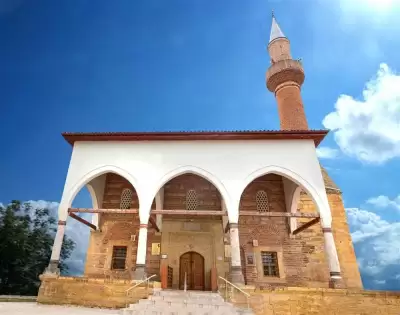
The Amasya Archeology Museum's origins date back to 1925: a small depot opened in the madrasah of the Complex of Sultan Bayezid II. The artifacts were moved to the Gökmedrese Mosque in 1962, then to the current modern building in 1977, and the museum opened to visitors in 1980. Today, artifacts from thirteen different civilizations, starting from the Late Neolithic period and extending through the Hittite, Urartian, Phrygian, Scythian, Persian, Hellenistic, Roman, Byzantine, Seljuk, and Ottoman periods, are housed under one roof.
The most visited corner of the museum is the special section displaying 14th-century mummies from the Ilkhanid period. These were previously kept in the tomb of Seljuk Sultan Mesud I, then moved into the museum. Visitors refer to this room as "the place where I saw real mummies for the first time," and some compare the craftsmanship of the mosaics to the works in Zeugma. The upper floor is filled with Roman mosaics and wooden doors, while the ground floor features Bronze Age finds such as the Hittite Tešup figurine. In the museum garden, stone artifacts from the Hittite to the Ottoman periods are exhibited outdoors.
A frequent warning in comments is that tour groups can fill the museum on weekend afternoons, with guides giving loud explanations amidst the crowd. Those who prefer a quiet visit choose morning hours or weekdays.
Guide's Note

Despite its small scale, Amasya Archeology Museum has a collection that reflects the historical depth of the city. Visitors state that they can gain a comprehensive impression of Amasya's past through archaeological finds and ethnographic artifacts. The open-air section in the garden outside the museum also adds another dimension to the visit.
The most striking part of the collection is the mummies from the Ilkhanid period. Multiple visitors highlight these artifacts as a prominent feature of the museum; it is also mentioned in comments that it is one of the rare places in Turkey to host such a collection. Mosaics are also among the well-received artifacts.
- Entrance fee: Different figures are mentioned in comments; there is an inconsistency between prices stated as 160 TL and 200 TL, it is recommended to verify current information before visiting.
- MuseumPass: MuseumPass is valid; free entry is applied for teachers.
When to Visit
The museum is open daily from 08:15-19:00, but closed for visits between 12:00-13:00. Planning accordingly is necessary. A frequently repeated observation in visitor comments is that tour groups fill the museum on weekend afternoons, and guides' loud explanations amidst the crowd make the visit hectic. Those who go in the morning or on weekdays enjoy a calmer environment.
How to Get There
The museum is located in Amasya city center, in Üçler Neighborhood, on Mustafa Kemal Paşa Street. Thanks to its proximity to the center, it is possible to reach it on foot from the bus station or accommodation points within the city. For those arriving by car, there is a municipal parking lot 200 meters ahead of the museum; you can park there and walk a short distance to the museum.
How Much Time to Allocate
An average of 1-1.5 hours is sufficient for the two-story museum. The ground floor covers archaeological artifacts from pre-Ottoman civilizations, while the upper floor includes Roman period mosaics, wooden doors, and the section with Ilkhanid mummies. Some visitors state that they find the ground floor more ordinary and spend more time on the upper floor.
Highlights
The mummy room is the most talked-about corner by visitors. 14th-century mummies from the Ilkhanid period are displayed here in a special showcase. The Tešup figure from the Hittite period is also a striking piece; a bronze cast figurine found at a depth of 4 meters in a tumulus in Doğantepe village. For the Roman period mosaics, comparisons to Zeugma are made in comments, which indicates the quality of the craftsmanship.
Where to Fit It in Your Amasya Itinerary
The museum is close to other historical sites in Amasya (Complex of Sultan Bayezid II, Gökmedrese Mosque, Yalıboyu Houses), so it usually fits easily into a city center tour. An early morning museum visit can be complemented by a walk along the Yeşilırmak River and a castle visit in the afternoon.
Things to Note
The museum is closed for lunch (12:00-13:00), so visitors arriving at this time may have to wait. On weekend afternoons, the density of tour groups increases; for a calm visit, morning hours or weekdays can be preferred. There are comments stating that the mummy room is a good opportunity for families with children to explain museum etiquette to their children.
History of the Museum
The museum's story dates back to a small depot opened in 1925; initially, a small number of artifacts and Islamic period mummies were kept together in two rooms of the madrasah of the Complex of Sultan Bayezid II. In 1962, the artifacts were moved to the Gökmedrese Mosque, in 1977, they moved to the current modern building, and the museum was reorganized and opened to visitors in 1980. Today, the Hazeranlar Mansion and the Saraydüzü Barracks National Struggle Museum are also part of the museum complex.
This content originates from neresigezilir.com.tr and may not be copied without permission.
FAQ

Updated: