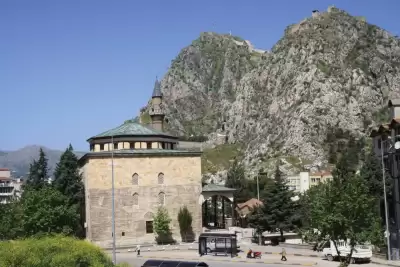
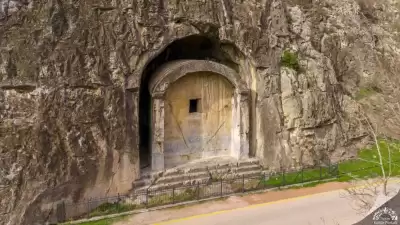
The Sultan II. Bayezid Complex is an Ottoman architectural ensemble built in 1485-1486, located in the center of Amasya on the banks of the Yeşilırmak River; it consists of a mosque, madrasah, imaret, and muvakkithane.
Amasya has historically been known as the city of princes; Ottoman heirs were raised here and learned to govern here. One of the most tangible traces of this deep-rooted tradition, the Sultan II. Bayezid Complex, was built between 1485-1486 by Şehzade Ahmed, son of Ottoman Sultan Bayezid II, upon his father's command. This architectural complex, stretching along the Yeşilırmak River on the Princes' Walkway, consists of a mosque, madrasah, imaret, and muvakkithane (timekeeping house), reflecting the architectural understanding of the period with all its subtlety.
The complex was not only a place of worship but also served as the social and educational center of the Ottoman era. Food was distributed to the poor in the imaret, and knowledge was pursued in the madrasah; thus, the complex became an integral part of the city's daily life. It is rumored that Sultan Suleiman the Magnificent performed Friday prayers here 22 times, clearly demonstrating the importance of the complex for Ottoman sultans. Today, the Miniature Museum located in the complex's garden offers visitors a unique experience.
Guide's Note
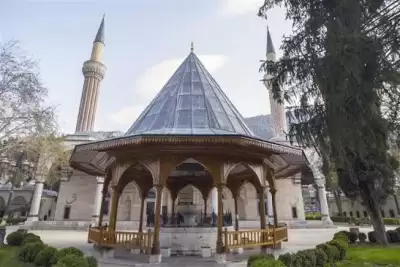
The Sultan II. Bayezid Complex is an Ottoman architectural ensemble dating back to the late 15th century, located right in the center of Amasya. Visitors find the historical atmosphere of the mosque and its courtyard, adorned with approximately 600-year-old plane trees, particularly impressive. The complex includes not only the mosque and madrasah but also a section displaying calligraphic works, the world's largest Hilye-i Şerif, and the Miniature Amasya Museum.
Multiple visitors have stated that the care taken in selecting imams and muezzins positively affects the worship experience. Entry to most of the complex is free; however, the Miniature Amasya Museum charges an entrance fee, and museum cards are not valid. Located in a crowded and lively part of the city, the structure is frequently visited both as a place of worship and a historical site.
Some recurring practical issues are noted in the comments:
- Hygiene in the women's section: It is stated that there is a problem with odor and noise in this section due to the lack of a dedicated area for baby care.
- Toilets: It is reported that they are paid, subject to complaints about cleanliness, and closed during morning prayer times.
When to Visit?
The best time to visit the Sultan II. Bayezid Complex is during the months of April-May and September-October. During these seasons, temperatures are mild, allowing you to comfortably explore the complex's courtyard and the surrounding walkway. As tourist traffic increases in Amasya during the summer months, arriving in the early morning, preferably before 9:00 AM, will help you avoid crowds and provide better lighting conditions for photography.
During Friday prayer times, tourist entry to the mosque's interior may be restricted; it is recommended to plan your visit accordingly, keeping these hours in mind. During Ramadan, special events and crowds may occur around the complex; at this time, the atmosphere becomes quite different and colorful.
How to Get There?
The complex is located in the city center of Amasya, on the Princes' Walkway stretching along the southern bank of the Yeşilırmak River. It is possible to reach it on foot from almost any point in the city. Minibuses departing from Amasya bus station to the city center will drop you near the complex within a few minutes.
Those arriving by private car can look for parking on Sultan II. Bayezit Boulevard; however, due to the narrow streets in the center, it might be more practical to park a little further away and walk. Taxi services are also common in Amasya, and transportation from the bus station to the complex is quite short.
History and Architecture of the Complex
The Sultan II. Bayezid Complex was built between 1485-1486 by Şehzade Ahmed, son of Ottoman Sultan Bayezid II and then the Governor of Amasya, upon his father's instructions. The architectural ensemble consists of a mosque, madrasah, imaret, and muvakkithane, each forming an integral part of Ottoman urban life with its own function.
The architecture of the mosque bears the simple and balanced lines of early Ottoman style. Its single-domed main space, portico for latecomers, and slender minaret present a cohesive appearance. The madrasah continued its educational function for centuries; through the imaret, food was distributed to the poor. Rumors that Sultan Suleiman the Magnificent performed Friday prayers 22 times in this mosque highlight the symbolic importance of the structure for the Ottoman dynasty.
Photo Spots
The complex and its surroundings remain one of Amasya's most productive photography locations. It is possible to capture the mosque's minaret and the Yeşilırmak River in the same frame from the Princes' Walkway. The ablution fountain and historic public fountain in the courtyard also offer interesting details for photographers seeking a good shot.
Early morning hours and late afternoon, when the sun hits at a low angle, provide the best lighting conditions to highlight the stone texture and architectural details. Wide-angle photos taken from the opposite bank, i.e., the north side of the Yeşilırmak, create an extremely impressive composition with the complex and the Amasya cliffs in the background.
What to Eat Nearby?
Many cafes and restaurants line the immediate vicinity of the complex and along the Princes' Walkway. Sweets and sherbets made from Amasya apple, unique to Amasya, are among the region's distinctive flavors. In local restaurants, you can find Amasya mantısı (dumplings) and various Black Sea cuisine dishes.
Sitting in one of the cafes along the Yeşilırmak River and having tea offers a nice break to relieve travel fatigue. Especially establishments set up within historic Ottoman mansions provide visitors with a unique experience in terms of both atmosphere and local flavors.
Suggested Itinerary: Discover Amasya in One Day
You can combine the Sultan II. Bayezid Complex with other historical sites in Amasya for a full day. After visiting the complex in the early morning, walk to the Amasya Museum; then proceed along the Yeşilırmak River to see the historic Ottoman houses and the Hatuniye Complex.
In the afternoon, climb up to the King Rock Tombs to get a bird's-eye view of the city; at sunset, enjoy the river view from one of the bridges over the Yeşilırmak. This itinerary forms approximately a 6-8 hour walking program, most of which takes place on flat ground.
Things to Know Before Visiting
The mosque section of the complex is an active place of worship; therefore, you are expected to wear appropriate clothing when entering. It is important for female visitors to cover their heads and for men to prefer long trousers instead of shorts, out of respect. Shoes must be removed before entering the mosque.
During prayer times, tourist entry to the interior may be temporarily restricted; it is advisable to plan your visit by learning these hours in advance. There is a separate entrance fee for the Miniature Museum in the complex garden; if you wish to visit the museum, you may need to budget accordingly.
This content originates from neresigezilir.com.tr and may not be copied without permission.
Sultan II. Bayezid Complex Videos
Sultan II. Bayezid Complex videos load when you open this section to keep the page fast.
Show videos
FAQ

Updated: