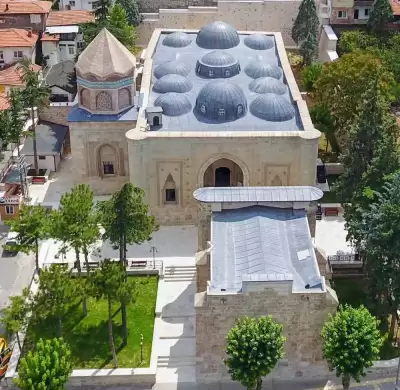
Yörgüç Paşa Mosque, located in Amasya's Gökmedrese Quarter, is an inverted T-plan mosque built in 1430 by the Ottoman sancak beyi Yörgüç Paşa. It is one of the examples of early Ottoman architecture with its regular ashlar stone and white stone craftsmanship; it is open to visitors free of charge.
Among the structures steeped in Amasya's historical fabric, Yörgüç Paşa Mosque holds a special place with both its architectural features and historical background. The mosque was built by Atabeyzade Yörgüç Paşa, who also served as the Beylerbeyi of Rumelia during the reign of Murad II, in the Hijri year 834, corresponding to 1430 AD. The structure documents this date with the inscription above the mosque's door. Within the külliye (complex) as a whole, in addition to the mosque, there was also a madrasah, a Turkish bath, and a caravanserai; this indicates that the structure was not merely a place of worship but a comprehensive complex contributing to the social and educational life of its era.
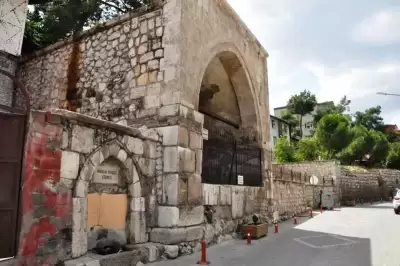
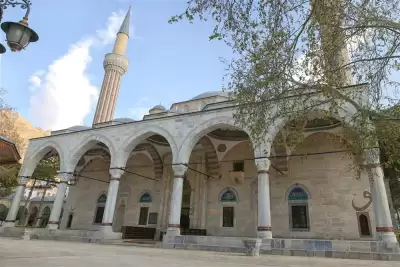
From an architectural perspective, Yörgüç Paşa Mosque is a beautiful representative of the inverted T-plan mosque tradition frequently encountered in Amasya. Regular ashlar stone was used in the structure, and thick walls and numerous window openings ensured that the interior remained spacious and bright. The white stone decorations in its arches add a simple yet aesthetic touch to the building. In the tomb section, which stands out with its undecorated sarcophagi, one marble-headed sarcophagus is prominent with its vegetal relief ornamentation. The mosque is actively used for worship today and is open to visitors free of charge.
Guide's Note

Yörgüç Paşa Mosque, built between 1428-1430, stands out as one of the important early Ottoman structures rising in Amasya before the conquest of Istanbul. Visitors report that the mosque gives the impression of Ottoman architecture from the outside and a different architectural order from the inside. This unique character seems to stem from the combination of Seljuk and Ottoman architectural traditions.
Another striking element in the interior is its acoustic quality. Ashlar stone walls, red-and-white marble arches, and geometric stone decorations complete the architectural richness of the structure. In addition to the mosque, the tomb where Yörgüç Paşa, his son, and daughters are buried can also be visited. Although most of the other structures of the külliye have not survived to the present day, the fact that the mosque and tomb are still standing is considered valuable by visitors.
Existing reviews are generally positive but limited in number; therefore, we share the following points for informational purposes:
- Most of the structures belonging to the külliye, such as the madrasah, Turkish bath, and caravanserai, have not survived to the present day; you can only see the mosque and the tomb.
- There is no information in the comments regarding transportation, parking facilities, or landscaping; it is recommended to research current conditions separately before your visit.
When to Visit?
While all four seasons of Amasya have their unique beauty, the periods between April-June and September-November are the most comfortable options for visiting Yörgüç Paşa Mosque. During these months, temperatures are very suitable for walking and photography. If you visit the mosque in the early morning, you can have a quiet visit and photograph the dramatic shadow plays created by the stone walls with sunlight. On Fridays, the congregation density increases around noon; during these hours, you might prefer to examine the mosque's exterior architecture instead of a tourist visit. Considering Amasya's humidity in the summer months, visiting before 09:00 AM or after 05:00 PM would be more enjoyable.
How to Get There?
Yörgüç Paşa Mosque is located in the Gökmedrese Quarter, within the historical fabric of Amasya city center. For those arriving by train, a walk of approximately 10-15 minutes from Amasya Train Station is sufficient; moreover, you can enjoy the beautiful view of the Yeşilırmak riverbank during this walk. Regular train services are available from Samsun to Amasya and take approximately 3 hours. For those arriving by bus, after disembarking at the intercity terminal, you can reach the city center by city minibuses or taxi. For those arriving by car, street parking is available in the immediate vicinity of the mosque; however, maneuvering with large vehicles may be difficult due to the narrow streets in the historical center. If you prefer to explore the city on foot, you can visit other historical structures of Amasya along the same route.
Historical and Architectural Features
Yörgüç Paşa Mosque is considered one of the original examples of early Ottoman architecture in Anatolia. The patron of the structure, Yörgüç Paşa, was one of the important statesmen of the Murad II period; he was appointed Beylerbeyi of Rumelia in 1423 and also served as the sancak beyi of Amasya. The inscription above the mosque's door clearly indicates that the structure was completed in the Hijri year 834, corresponding to 1430 AD.
In terms of architectural plan, the structure adopts an arrangement known as the inverted T-scheme, which was widely applied in Amasya. In this plan, a square-planned and domed sofa is located, and the main prayer hall is situated to the south of the sofa. The regular ashlar stone used in the walls gives the structure both solidity and aesthetic integrity. Windows opened along the thick walls allow natural light to fill the interior, while the white stone craftsmanship in the arches is among the most striking decorative elements of the structure. In the tomb section within the külliye, there are undecorated sarcophagi and a marble-headed sarcophagus with vegetal relief ornamentation.
Amasya Historic Center Route Suggestion
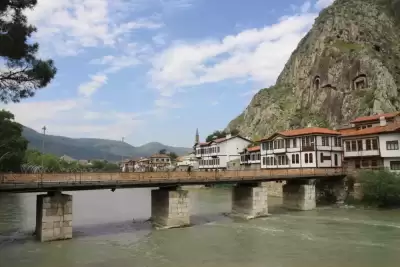
Yörgüç Paşa Mosque is conveniently located to be easily included in Amasya's historic center walking route. For the start of the day, we recommend moving from the Yeşilırmak riverbank to visit Gökmedrese, then walking to Yörgüç Paşa Mosque. Be sure to also see the Yörgüç Paşa Tomb, which is very close to the mosque. In the afternoon, you can climb Amasya Castle to view the city from above, and on your way back, explore the riverside mansions along the Yeşilırmak. It is possible to visit Amasya's historic mosques, madrasahs, and rock tombs in a single day; however, spreading it over two days would be more enjoyable to allow sufficient time for each structure.
Photo Spots
Yörgüç Paşa Mosque offers several different perspectives for photography enthusiasts. The main gate at the mosque's entrance and its inscription provide excellent detail for close-up photography. The white stone craftsmanship in the arches becomes particularly prominent in the morning light. You can create a wide-angle frame from the opposite street to frame the mosque's exterior facade. The marble sarcophagus and stone craftsmanship in the tomb section also contain valuable details for documentary photography. If you combine this mosque with Gökmedrese and the Yeşilırmak riverbank on Amasya's general photo route, you can capture the historical texture holistically.
Things to Know Before Visiting
Yörgüç Paşa Mosque is an active place of worship. Visitors are expected to wear appropriate attire; female visitors should cover their heads and shoulders. Remember to remove your shoes when entering the mosque. During prayer times, especially Friday noon prayers, it may not be a suitable time for a tourist visit; adjust your schedule accordingly. When taking photos, it is important to maintain a respectful distance if there is a congregation. The structure can be visited free of charge; there is no ticket or guide requirement.
This content originates from neresigezilir.com.tr and may not be copied without permission.
Yörgüç Paşa Mosque Videos
Yörgüç Paşa Mosque videos load when you open this section to keep the page fast.
Show videos
FAQ
Updated: