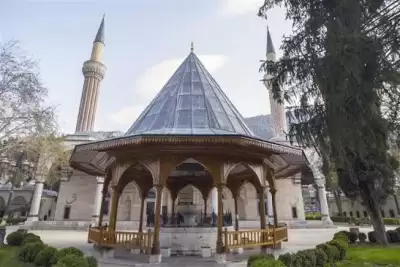
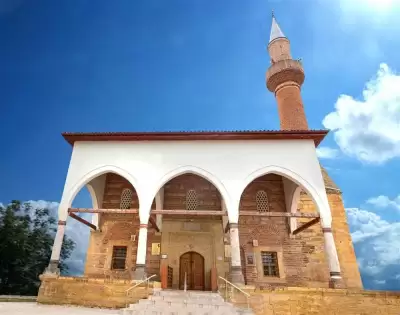
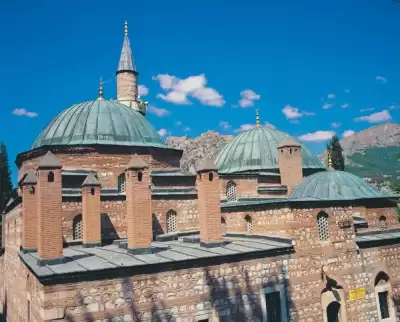
Gök Medrese Mosque, located in the center of Amasya, is an example of Anatolian Seljuk architecture built in 1267 by Seyfeddin Torumtay; it is a closed complex consisting of a mosque, madrasa, and tomb, and can be visited for free.
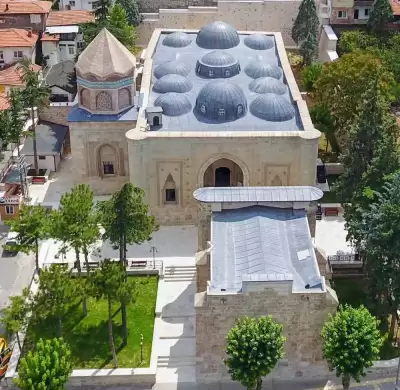
Among the structures steeped in Amasya's historical fabric, the Gök Medrese Mosque stands out as one of the most important works that carries the stone craftsmanship and architectural understanding of the Seljuk period to the present day. Built in 1267 by Amasya Governor Seyfeddin Torumtay, the structure has a closed complex layout consisting of a mosque, madrasa, and tomb. The cells surrounding the eastern and western wings of the rectangular courtyard are a typical reflection of the classical four-iwan Seljuk madrasa plan.
The most striking element of the structure is its iwan-shaped entrance gate. This gate facade, completed with a barrel vault, is adorned with geometric stone decorations unique to the Seljuk era. The Torumtay Tomb, located directly opposite the Gök Medrese, was completed in 1278 and forms an integral part of the complex. This structure, reflecting both Ottoman and Seljuk periods, continues to be used as an active mosque today.
Guide's Note

Gök Medrese Mosque is one of the structures frequently highlighted by visitors to Amasya. The complex, built in 1267 by the Seljuk emir Seyfeddin Torumtay, consists of a mosque, madrasa, and tomb. The blue glazed bricks of the octagonal dome at the corner give the structure its name. Visitors find the stone craftsmanship and especially the Seljuk decorations on the entrance gate and windows striking.
It is stated that after its restoration, the interior also gained a meticulous appearance. The fact that the structure was designed as both a place of worship and a place of religious education takes it beyond a mere mosque visit. Those who wish to pray also leave the place satisfied due to its peaceful atmosphere.
However, there are points that some visitors draw attention to:
- On the side of the tomb facing the road, there is a spolia stone with Middle Greek writing; there is also a short Persian or Arabic inscription inside the structure. However, translations or explanations of these inscriptions are not publicly available on site. Visitors want the municipality to make this information accessible.
Best Time to Visit
The most enjoyable time to visit Amasya is spring and autumn. In April-May, the poplars and willows along the Yeşilırmak River turn green, and the historical structures take on a different beauty. September and October are when the heat subsides, crowds decrease, and the light for photography comes from the most favorable angles. In the summer months, the city becomes more touristy; coming in the early morning or late afternoon offers a calmer experience and allows the stone facade to be seen in golden light. In winter, the number of visitors drops significantly; it is also known that the structure gains an impressive appearance in snowy weather.
How to Get There?
Gök Medrese is located right in the center of Amasya, making it extremely easy to reach. It can be reached on foot from the city center in 5-10 minutes. Visitors using the Amasya Archeology Museum as a reference can reach the structure by walking approximately 300 meters from the museum. For those coming by bus or dolmuş, Amasya city lines offer stops close to central points. Those arriving by car can look for parking in nearby streets; however, since parking options are limited within the historical fabric, it would be more practical to park further away and walk.
Photo Spots
Gök Medrese is among the most photographed structures in Amasya. The front of the entrance gate is a classic shooting spot that captures the Seljuk geometric decorations from the best angle. When the morning light comes from the east, the reliefs on the stone facade gain depth, creating plays of light and shadow. Shots taken looking up from inside the courtyard reveal the proportional architecture of the structure. Images of the complex together with the Torumtay Tomb in the same frame are also quite impressive. A wide-angle lens provides great ease in capturing the entire structure within the narrow street fabric.
What to Eat Nearby?
The historical center where Gök Medrese is located is close to one of Amasya's most vibrant dining areas. Restaurants and small eateries along the Yeşilırmak River offer the city's traditional flavors. Amasya's unique çökelek cheese, walnut-stuffed grape leaves, and fresh trout are among the indispensable dishes of the local cuisine. After morning visits, tasting products made from Amasya's famous hard-shelled apples at one of the nearby breakfast spots will also be a pleasant experience.
Things to Know Before Visiting
Since Gök Medrese is used as an active mosque, entry to the interior may be restricted during prayer times. To avoid these times, it is advisable to consider the noon and afternoon prayer times. When entering the mosque, shoes must be removed, and female visitors must cover their heads; having an appropriate head covering with you is good preparation. Since the structure is located within a historical fabric, the narrow streets around it may be closed to vehicle traffic. When taking photos, it is important to show respect to those praying and avoid using flash.
Amasya Historical Route Suggestion
Gök Medrese is located right in the middle of Amasya's dense historical fabric, so starting a city tour from here would be a logical choice. After visiting the structure, you can proceed to the Amasya Archeology Museum (approximately 300 meters); the original gate of Gök Medrese is also exhibited in the museum. Afterwards, you can walk along the Yeşilırmak River towards the King Rock Tombs. Dedicating the second half of the day to Amasya Castle is ideal for both panoramic views and sunset. This route can be completed on foot and allows you to experience different layers of history in a single day.
This content originates from neresigezilir.com.tr and may not be copied without permission.
Gök Medrese Mosque – Amasya Videos
Gök Medrese Mosque – Amasya videos load when you open this section to keep the page fast.
Show videos
FAQ
Updated: