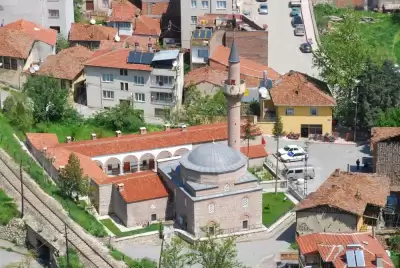
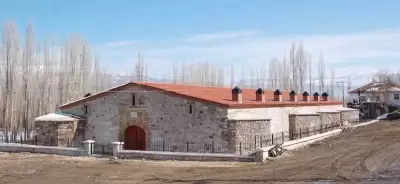
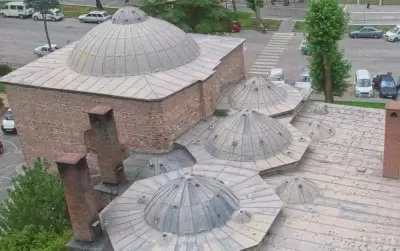
The Kadılar Tomb is a 14th-century, iwan-type, rectangular-planned tomb in Amasya's Gökmedrese Quarter, dedicated to the city's qadis; it can be visited for free.
Amasya has gone down in history as a deeply rooted city where Ottoman princes were raised and statesmen served. One of the structures bearing the traces of this profound past, the Kadılar Tomb, is a rectangular-planned and iwan-type tomb dedicated to the qadis, or judicial officials of the period, who served in the city. Dated between 1369 and 1375, the structure constitutes one of the important elements forming Amasya's historical fabric.
Located directly opposite the Halifet Gazi Tomb, the structure stands out from other tombs in the region with its iwan-type architecture. This tomb, which can be reached within walking distance in the city center, is one of those rare places that many visitors exploring Amasya pass by unknowingly, but once noticed, it offers a deep historical atmosphere. The tomb, which holds value in terms of faith and cultural tourism, is located on Amasya's heavily visited historical axis.
Guide's Note
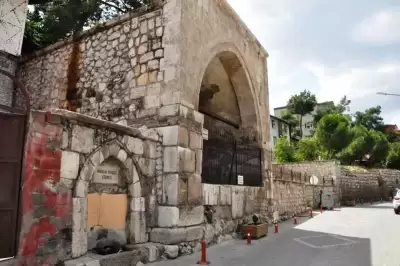
The Kadılar Tomb is a structure dating back to the second half of the 14th century, built in memory of the qadis who served in Amasya. Although its patron is unknown, its iwan-type architecture, cut stone and brick materials, and pointed barrel vault on a rectangular plan make it a remarkable historical artifact. It is located directly opposite the Hilafet Gazi Tomb and also has a fountain next to it. It was restored in 2007.
Visitors find the tomb historically valuable; its architectural features and location are interesting. Its location in the neighborhood, right in the middle of daily life, creates a nostalgic atmosphere for some visitors.
- Lack of maintenance: More than one visitor states that the tomb has been left to its own devices and does not receive enough attention.
- Location: Being located in residential areas can make access to the structure and the visitor experience difficult.
- Landscaping: Observations have been shared that other structures around the tomb are also neglected.
About Kadılar Tomb
In Amasya, there was a legal tradition that grew in the shadow of the princes. During the Ottoman period, the qadis who served in this city stood out not only for their judicial duties but also for their roles in maintaining social order. The Kadılar Tomb is the embodiment of this tradition in stone. Accepted as having been built in reference to the former qadis of Amasya, the structure is a rectangular-planned and iwan-type tomb dated between 1369 and 1375.
Iwan-type tombs are one of the rare types of structures unique to the Anatolian Seljuk and early Ottoman periods. In this respect, the Kadılar Tomb is a remarkable example not only for Amasya but also for Anatolian architectural history. Its location in the same area as the Halifet Gazi Tomb, facing each other, makes it meaningful to evaluate the two structures together.
When to Visit?
Amasya offers visitors a different atmosphere in all four seasons; however, spring and autumn months constitute the most balanced period in terms of both weather conditions and crowds in the city. In April-May and September-October, the city becomes explorable without excessive tourist density.
Since the Kadılar Tomb is an open-air structure visible from the outside, it can be visited at any time, regardless of seasonal restrictions. Visiting in the early morning provides an advantage for both photography and a quiet observation experience. In summer, it is recommended to prefer morning or late afternoon to avoid the midday heat.
How to Get There?
The Kadılar Tomb is located in Amasya city center, in the Gökmedrese Quarter, directly opposite the Halifet Gazi Tomb. Since it is on the historical axis of the city, reaching it on foot is both the most practical and most enjoyable option.
For those arriving by train, the walking distance from Amasya Train Station to the city center is approximately 10-15 minutes. When taking the train from Samsun, Amasya can be reached in about 3 hours and 5 minutes. For those arriving by bus, after getting off in the city center, they can easily reach the tomb by taxi or minibus. Various parking areas are available in the city center for those arriving by car; however, vehicle traffic may be restricted in the historical area.
Suggested Route: Historical Amasya Tour
The Kadılar Tomb should be considered not just as a single stop but as part of a walking route covering Amasya's historical center. After visiting it along with the Halifet Gazi Tomb, the route can continue as follows:
The visit can proceed to the King Rock Tombs, then be enriched with a walk along the Yeşilırmak riverbank past the Yalıboyu Houses. The Amasya Museum and the Museum of Princes are also located on the same historical axis, so a large part of the day can be spent in this area. At the end of the day, taking a break at a cafe by the Yeşilırmak completes Amasya's unique atmosphere.
Photo Spots
The Kadılar Tomb, with its simple and plain architecture, offers an interesting subject for photography. Its iwan-type facade creates strong shadow-light contrasts, especially in the morning light. Frames that capture both the Kadılar Tomb and the Halifet Gazi Tomb in the same shot visually convey the historical dialogue between the two structures.
The streets surrounding the tomb within the historical fabric of the Gökmedrese Quarter also hold photographic value. It is possible to capture frames encompassing both the tomb and the surrounding historical structures with a wide-angle lens. The golden hour, known as sunrise and sunset, best brings out the warm tones of the stone structure.
Things to Know Before Visiting
As the Kadılar Tomb is a religious and historical site, a respectful attitude is expected during the visit. Behaving quietly and carefully around the structure is a sign of respect for both other visitors and the spiritual atmosphere of the place.
The tomb is primarily a structure that can be seen from the outside; on-site information may be needed regarding access to the interior. Comfortable walking shoes are recommended as the surrounding pavement and ground conditions may be uneven. Planning an itinerary that combines the tomb with other historical structures in Amasya will make the visit much more efficient.
What to Eat Nearby?
The historical center where the Kadılar Tomb is located is intertwined with Amasya's busiest gastronomy district. Restaurants and small cafes along the Yeşilırmak riverbank offer options to visit before or after your visit.
Among Amasya's unique flavors, the Amasya apple stands out; this apple, which has become the symbol of the city, appears fresh or in various desserts and products. Local bakeries' simit and poğaça offer a practical option for morning visits, while restaurants around the historical bazaar can be preferred for lunch.
This content originates from neresigezilir.com.tr and may not be copied without permission.
Kadılar Tomb Videos
Kadılar Tomb videos load when you open this section to keep the page fast.
Show videos
FAQ

Updated: