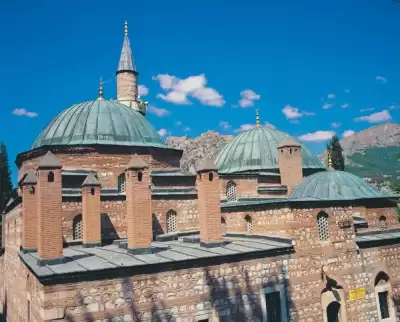
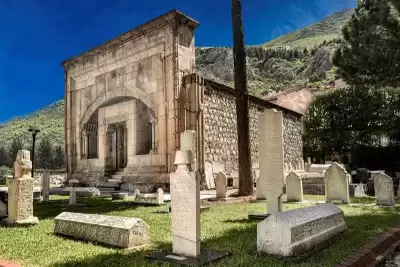
The Bimarhane Madrasa is a medical school built during the Ilkhanate period in 1308-1309 on the banks of the Yeşilırmak River in Amasya. This structure, where mental patients were treated with music, now serves as the Sabuncuoğlu Museum of Medical and Surgical History.
The Bimarhane Madrasa, a must-visit for every history enthusiast coming to Amasya, was built between 1308-1309 by architect Anber bin Abdullah in the name of Ilduz Hatun, the wife of Ilkhanid ruler Sultan Mehmet Olcaytu. For centuries, the structure functioned as both a medical school and a healing center, taking its place among Anatolia's most important darüşşifas (hospitals/healing houses). It remains the only surviving Ilkhanid work in Amasya.
Shaped around a rectangular courtyard, the building reflects a typical Seljuk madrasa plan with two rows of porticoes parallel to the long axis and vaulted spaces. The most striking feature that distinguishes the Bimarhane from other healing centers is that it hosted methods where mental patients were treated with music. This practice represents an extremely advanced approach in medieval medicine. It is also known from historical documents that the waqf (endowment) of the building was established in 1312. Today, it opens its doors to visitors as the Sabuncuoğlu Museum of Medical and Surgical History, offering an important window into the medical history of the Ottoman and Ilkhanid periods.
Guide's Note

The Bimarhane Madrasa, as a historical structure surviving from the Ilkhanid period, is one of Amasya's prominent cultural stops. Visitors emphasize that this is not just a museum; it is a place that bears concrete traces of medical history and especially music therapy methods. Explanations supported by wax figures and surgical instruments from different periods make the exhibition visually more understandable.
The venue, which is stated to have special value for those interested in health history and medical education, also receives appreciation for its garden and exhibition rooms. Some visitors also share that there is a gift shop at the entrance where traditional pastes can be purchased.
- Music therapy room silent: There is no sound or music application in the room where music therapy is explained; multiple visitors stated that this deficiency weakened the experience.
- MuseumPass not valid: The entrance fee is taken in cash or by debit card, MuseumPass is not accepted.
- Information board error: A serious objection was raised regarding the source of a quote on the wall; it was stated that care should be taken regarding the accuracy of the content.
What is the Bimarhane Madrasa?
Bimarhane is a word of Persian origin meaning mental hospital. However, this structure in Amasya is much more than just a mental hospital; it is a complex that provided medical education, treated patients, and reflected the most advanced understanding of health of its time. Built between 1308-1309 in the name of Ilduz Hatun, the wife of Ilkhanid ruler Sultan Mehmet Olcaytu, the structure was designed by architect Anber bin Abdullah. Its waqf (endowment) is known to have been established in 1312. The building holds special value as the only work inherited by Amasya from the Ilkhanid period.
Today, the structure serves as the Sabuncuoğlu Museum of Medical and Surgical History, named after the famous 15th-century Ottoman physician Şerafeddin Sabuncuoğlu. Sabuncuoğlu was educated in this madrasa and wrote his works, which became part of medical history, here.
When to Visit?
The most suitable periods to visit Amasya and the Bimarhane Madrasa are April-May and September-October. During these periods, the weather is mild, and tourist density is relatively low. The city comes alive in the summer months; however, especially the July and August heat can shorten your stroll in the courtyard. In winter, visiting hours may be shorter, and some museum sections may offer limited service. For those who want to take photos, early morning hours are very advantageous for the light hitting the crown gate.
How to Get There?
The Bimarhane Madrasa is within walking distance of Amasya city center. It can be reached by a short walk starting from the back section of the Yalıboyu houses. After arriving at the center by city dolmuşes and minibuses, the structure can be easily reached on foot. Bus services are available to Amasya from Ankara, Samsun, or Sivas; transportation from the bus station to the city center can be provided by minibus or taxi. If you are coming by car, there are limited parking facilities in the areas close to the historical bazaar; therefore, it may be more practical to park your car a little further away and walk.
Photo Spots
The Bimarhane Madrasa is an extremely rich venue for architectural photography. The crown gate is the most impressive and most photographed point of the structure; despite repairs in the 1950s, it largely preserves its original ornamental elements. Wide-angle shots taken from the center of the courtyard allow capturing the symmetrical arrangement of the porticoes and the vaulted spaces in the same frame. In the morning, the light coming from the east highlights the texture on the stone surfaces. The exhibition areas inside the museum also contain interesting details for documentary photography with a medical history theme.
What to Eat Nearby?
Amasya cuisine offers unforgettable flavors to visitors. There are many local restaurants in the Yalıboyu and bazaar area close to Bimarhane. Desserts and sherbets made with Amasya apple have become symbols of the city. For those curious about local cockroach soup, joking aside; among the flavors that truly must be tried are mantı, keşkek, and Amasya-style börek. Cafes and restaurants along the Yeşilırmak River offer a pleasant dining experience intertwined with the historical texture.
Suggested Itinerary: A Day Trip to Amasya's History
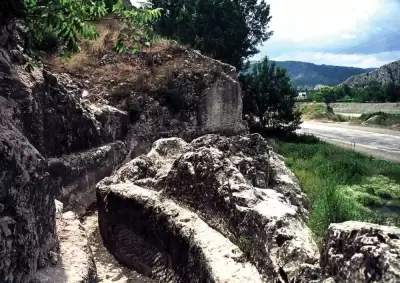
For those who want to visit Amasya in a single day, the Bimarhane Madrasa can be a great starting point. After visiting the structure early in the morning, you can walk to the Yalıboyu Ottoman houses. Visiting the Amasya Museum before noon will help you better understand the city's historical layers. After lunch, you can cross to the opposite bank of the Yeşilırmak and climb to the King Rock Tombs. In the evening, watching the illuminated Yalıboyu houses from the banks of the Yeşilırmak offers one of Amasya's most romantic moments. The Kapı Ağası Madrasa and Mehmet Paşa Mosque are other stops that can be added to the itinerary.
Things to Consider Before Visiting
Since the structure serves as a museum, don't forget to buy an entrance ticket; MuseumPass holders can enter for free. We recommend confirming visiting hours from official channels beforehand, as they may vary by season. The courtyard and portico floors are stone-paved and can be slippery in wet weather; choose comfortable, non-slip shoes. When taking photos, clarify tripod use with the museum management beforehand to avoid negatively affecting other visitors' experience. Access to some parts of the building may be restricted.
This content originates from neresigezilir.com.tr and may not be copied without permission.
Bimarhane Madrasa (Darüşşifa) – Amasya Videos
Bimarhane Madrasa (Darüşşifa) – Amasya videos load when you open this section to keep the page fast.
Show videos
FAQ

Updated: