
This 7-day route from Adana to Izmir brings together the most special historical and natural beauties of Central Anatolia and the Aegean. On this journey, where you will wake up in a new city every day and witness a different story, you will experience Turkey's diverse geographies and cultural layers.
This seven-day route, stretching from the south to the west of Turkey, brings together both the ancient lands of Central Anatolia and the cool coasts of the Aegean. On this journey, where you will wake up in a new city every day and witness a different story, a full discovery awaits you, extending from the plateaus of Adana to the ancient castles of Mersin, from the Cappadocia texture of Aksaray to the Seljuk traces of Konya, from the natural waterfalls of Antalya to the monuments of the War of Independence in Afyonkarahisar, and finally to the historical villages of Izmir. Get ready, because this route offers a geographical and cultural feast.
Kozan Goller Plateau
Located northeast of Kozan district in Adana, at an altitude of 1,500 meters, Kozan Goller Plateau is a pristine natural wonder covered with pine forests and wildflowers. Offering an ideal cooling spot for those who want to escape the city's oppressive summer heat, the plateau has air cool enough to require blankets even in July and August. In this area suitable for camping and nature walks, you will find peace hidden in the western foothills of the Taurus Mountains.
Kozan Horzum Plateau
Horzum Plateau, located approximately 25 kilometers from Kozan, is hidden in a cool corner of the Taurus Mountains with its pine forests and vineyards. This region, where you can see examples of traditional plateau architecture, offers a peaceful alternative for both nature hikers and those seeking tranquility. Its location on the Kozan-Kayseri highway facilitates access.
Saimbeyli Çatak Plateau
This plateau, located in Çatak Neighborhood, affiliated with Saimbeyli district, is a favorite among nature lovers with its centuries-old monumental plane trees, streams flowing from the mountain slopes, and wide picnic areas. Çatak Plateau, reached by a short stabilized road from the Saimbeyli-Tufanbeyli highway, offers a breath of fresh air to those who want to escape the city's oppressive heat with the cool climate of the Taurus Mountains. It stands out with its underground water sources and diverse local flora.
As we pass from Adana to Mersin, we embark on a journey of history and nature stretching along the foothills of the Taurus Mountains.
Gülek Castle
Gülek Castle, rising at an altitude of 1530 meters in the town of Gülek, affiliated with Tarsus district of Mersin, attracts attention with its structure built on the steep rocks of the Taurus Mountains and its panoramic view dominating the Gülek Pass. One of the most interesting remains of the region with its deep-rooted history extending from the Romans to the Ottomans, this mountain castle is also known for the Hileli Kaya (Tricky Rock) photo spot.
Adamkayalar
Ancient rock reliefs hidden within the Şeytan Deresi Valley in Silifke district of Mersin are one of the rare historical sites where Roman-era figures are carved into the rocks. Although access is a bit challenging, the valley view and the reliefs themselves are worth the effort. Visitors to this area, where nature and history intertwine, are impressed by both the details of the reliefs and the surrounding natural texture.
Astım Cave
Astım Cave, located in Narlıkuyu, is a natural formation approximately 200 meters long. Known for its air believed to be beneficial for asthma patients, the cave is only 600 meters away from the Heaven and Hell Caves. You can enter this cave with a Museum Pass, and it also offers a visual feast with its stalactite and stalagmite formations.
Kızkalesi
Kızkalesi, rising on a small island a few hundred meters offshore in Erdemli district of Mersin, is one of the most impressive medieval sea castles in the Mediterranean. Part of the ancient city of Korykos dating back to the 4th century BC, the castle has become a symbol of Mersin with its legends and historical texture. You can both witness history and enjoy the sea on the clear Mediterranean coast.
Akyar Bay
Akyar Bay, located in the Narlıkuyu region of Silifke, is a small bay that stands out with its turquoise clear water and steep rocky structure. Although the facility infrastructure is limited, it is ideal for a day trip to nature with its calm and secluded atmosphere. However, due to the rocky sea entrance, it may not be suitable for families with children.
Passing from Mersin to Aksaray, we set out to discover the lesser-known beauties of Cappadocia.
Narlıgöl Crater Lake
Narlıgöl, hidden at the intersection of Aksaray, Nevşehir, and Niğde, is the only crater lake in the Cappadocia region. This volcanic lake captivates visitors with its white and pink sandy beaches, mineral-rich hot waters, and the view created by the steep crater surrounding it. You will find the lake's crater structure and geothermal resources fascinating.
Güzelyurt / Gelveri Houses
The stone houses located in Güzelyurt district of Aksaray, historically known as Gelveri, carry centuries-old Greek architecture to the present day in a quiet and uncrowded corner of Cappadocia. With its narrow streets, mansions rising from volcanic stone, and monastery valley, Güzelyurt offers an atmosphere detached from time. It also attracts attention with its proximity to the Valley of Churches and the Monastery Valley.
Bahattin Samanlığı Church
Located in the heart of Ihlara Valley, within the borders of Belisırma Village, Bahattin Samanlığı Church is an impressive rock church with frescoes dating back to the 10th-11th centuries and an atmosphere integrated with the natural beauties of the valley. Its structure carved into the rock and the frescoes on the walls offer a striking appearance, especially in daylight.
Direkli Church
Direkli Church, located within the borders of Belisırma Village, is a rock-cut Byzantine chapel dating between 976-1025. Named after the characteristic columns in its interior, this structure attracts visitors interested in history and architecture as one of the most original churches in the valley. You can explore it accompanied by the Melendiz Stream and the valley view.
Bezirhane
Bezirhane, hidden within the Ihlara Valley, is an original single-nave rectangular planned structure dating back to the 12th-13th centuries. The frescoes on its ceiling and walls, adorned with Baptism and Metamorphosis scenes, are a rare window into the lesser-known Byzantine heritage of Central Anatolia. You will see that the place stands out with its rock church and historical olive oil press.
From Aksaray, we embark on a historical journey towards Konya, following the traces of the Seljuks.
Sahip Ata Foundation Museum
Located in the complex built by the Anatolian Seljuk vizier Sahip Ata Fahreddin Ali in Meram district of Konya, the museum offers an original collection of Seljuk art with handwritten Qur'ans, wooden craftsmanship, tiles, and textile works. This complex, dating back to 1277, consists of a mosque, tomb, khanqah, and double hammam.
Sırçalı Madrasa
Sırçalı Madrasa, built in Konya in 1242, is one of the most important educational structures of the Anatolian Seljuk period. Named after the colorful tile (sırça) coverings used in its decorations, the structure impresses with its open courtyard and two-iwan architecture. You can closely examine the unique architecture and historical texture of the building.
Seljuk Kiosk (Alaeddin Kiosk)
The Seljuk Kiosk, standing right next to the Alaaddin Mosque on Konya's symbolic Alaaddin Hill, is a historical palace structure belonging to the sultans of the Anatolian Seljuk State. Dating back to the period of Kılıçarslan III, the kiosk is open to visitors within the Mevlana Culture Valley and is one of Konya's most ancient historical sites. Its walls adorned with tile and inscription borders attract attention.
Koyunoğlu City Museum and Library
Koyunoğlu City Museum and Library, located in Karatay district of Konya, houses a comprehensive collection of archaeological finds from Anatolian civilizations, coins, calligraphy works, and over 6,000 manuscripts in its 3,000 m² exhibition area. With its proximity to the Mevlana Museum, it is a remarkable stop for those who want to explore Konya's historical texture.
After Konya, we head towards Antalya, the pearl of the Mediterranean, to places where history and nature meet.
Karain Cave
Karain Cave, located in Döşemealtı district of Antalya, is one of Turkey's largest natural caves. It is considered among Anatolia's most important prehistoric sites due to its continuous human settlement since the Paleolithic period. Although you need to climb 400 to 500 steps to reach the cave, the impressive stalactite and stalagmite formations inside are worth the effort.
Uçansu Waterfall
Uçansu Waterfall, located in the forest-covered valley in Serik district of Antalya, is a natural formation consisting of two waterfalls, 62 and 78 meters high. This waterfall, a favorite of nature lovers with its cool pools offering swimming opportunities, is reached by an approximately 6-7 km forest walking trail starting from Kozan Village. It offers pristine nature, far from facilities and urbanization.
Etenna Ancient City
Etenna, located on the steep foothills of the Taurus Mountains in Manavgat district, is an ancient Pisidian city known for its Roman-era city walls, rock tombs, and temple ruins. It attracts discovery enthusiasts with its secluded and undiscovered atmosphere, overshadowed by crowded ancient sites. It offers a peaceful discovery with ancient ruins intertwined with the natural texture of the region.
Ormana Village
Ormana Village, located in İbradı district of Antalya, at the foothills of the Taurus Mountains, is a nomadic village with 300-400-year-old buttoned houses and forests, which entered the UN's Best Tourism Villages list in 2024. These houses, built with a masterful combination of wood and stone without using mortar or cement, form the unique architecture of the village. This village, established among the streams feeding the Manavgat River, attracts attention with its peaceful atmosphere.
After Antalya, we turn our route to Afyonkarahisar, to follow the traces of the War of Independence and to relax with its healing waters.
Kocatepe Atatürk Monument and Inscription
This monument, rising on Kocatepe at an altitude of 1874 meters, 20 km south of Afyonkarahisar, symbolizes the historical point where the Great Offensive was commanded and managed. This hill, commanded by Mustafa Kemal Atatürk, is where one of the most critical turning points in Turkish independence history took place. Visitors are impressed to see firsthand the geography where the Great Offensive was launched when they climb here.
Captain Agah Efendi Martyrdom
This martyrdom, located in the Kurtkaya area of Afyonkarahisar, is the monumental tomb of Captain Agah Efendi and 100 Mehmetçiks who were martyred in the Great Offensive (August 26, 1922). This sacred place, open to visitors free of charge within the scope of the Commander-in-Chief Historical National Park, offers deep loyalty and national memory in the lands where the most intense battles of the War of Independence took place.
Gazlıgöl Thermal Spring
Gazlıgöl Thermal Spring, located in İhsaniye district of Afyonkarahisar, is a high-mineral thermal water source reaching 68 degrees. This thermal spring, located 21 kilometers from the city center, is a small but functional town visited for the treatment of rheumatic and musculoskeletal problems, where those seeking healing turn. It is ideal for relaxation with its natural atmosphere and thermal hotel options.
Emre Lake
Emre Lake, located near Döğer Town in İhsaniye district of Afyonkarahisar, within the Phrygian Valley, is a natural lake with an area of approximately 5 km². The lake, which creates a contrast with the surrounding volcanic rocks and fairy chimneys, is a favorite of picnic, hiking, and photography enthusiasts. Its water surface, which changes depending on rainfall, and the reflections it creates at sunset are worth seeing.
As we reach our final stop, Izmir, we get acquainted with the unique natural beauties and historical texture of the Aegean.
Ödemiş Gölcük Lake
Gölcük Lake, located at an altitude of 1100 meters above sea level in the Bozdağ plateau of Ödemiş district in Izmir, is a natural lake formed by tectonic movements. This calm lake, surrounded by pine forests, is ideal for those who want to escape the city noise with its clean air and cool climate. You can picnic by the lake and explore the hiking trails of the Bozdağ plateau.
Birgi Village
Birgi, affiliated with Ödemiş district of Izmir, is a village with 5000 years of history, established at the foothills of Bozdağ. Listed on the UNESCO World Heritage Tentative List and selected as one of the World Tourism Organization's best 32 tourism villages in 2022, Birgi is one of the most original settlements in the Aegean with its stone mansions, Seljuk-Beyliks period works, and narrow streets. It houses important structures such as Aydınoğlu Mehmet Bey Mosque and Çakırağa Mansion.
Birgi Çakırağa Mansion
Çakırağa Mansion, located in Birgi town, built in the mid-18th century, is one of the most exquisite examples of Ottoman civil architecture. This three-story mansion, converted into a museum, transports visitors to the living culture of the period with its wooden craftsmanship, embroidered ceilings, and room arrangements. The wall paintings with Istanbul and Izmir panoramas are particularly noteworthy.
Ödemiş Archaeology and Ethnography Museum
This museum, located in Ödemiş district of Izmir, brings together the deep-rooted history of the district under one roof with archaeological artifacts from the Early Bronze Age to the Byzantine period, Ottoman ethnographic materials, and a coin collection. The Mutahhar Başoğlu collection and the historical Yıldız Cinema Room are particularly worth seeing. The museum meets visitors' expectations with its informative content.
This seven-day route offers the opportunity to deeply explore the natural and cultural riches of different regions of Turkey. Don't forget to taste the unique flavors of each city and chat with the local people. Renting a car for transportation allows you to make a more flexible travel plan. Have a good trip!
This content originates from neresigezilir.com.tr and may not be copied without permission.
Places in This Article
Places to visit mentioned in this article

Adana Atatürk House Museum
Located in the Seyhan district of Adana, the Atatürk House Museum is a traditional 19th-cent…

Adana Historical Girls' High School
Rising on the banks of the Seyhan River, just south of Taşköprü, Adana Historical Girls' Hig…
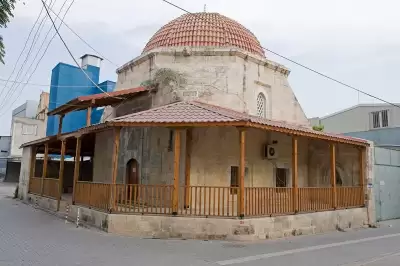
Akça Mosque
Known as Adana's oldest Turkish structure, Akça Mescit stands in Ulu Cami Neighborhood with …
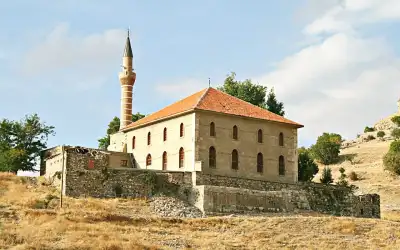
Alaaddin Mosque
A Seljuk period mosque built in 1231 by the Hamidogullari at the foot of Uluborlu Castle. Wi…

Anavarza Ancient City
Anavarza Ancient City, located in Dilekkaya Village, Kozan district of Adana, became one of …
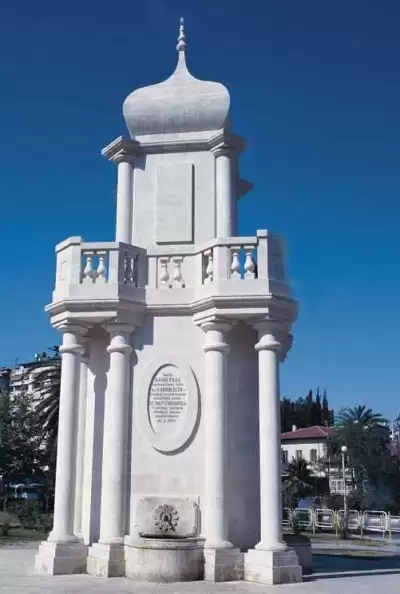
Bahri Pasha Fountain
Rising in the heart of Adana, right next to Atatürk Park, the Bahri Pasha Fountain is an Ott…

Bebekli Church (St. Paul Catholic Church)
Bebekli Kilise, standing in Adana's Tepebağ district, is an Italian Catholic church built in…

Çifte Hamam
A historic two-domed bathhouse built with cut stone in the early 1800s in Ünye's Kaledere Ne…

Direkli Church
Direkli Church, located in the Pamukkale district of Denizli, is a three-nave structure dati…
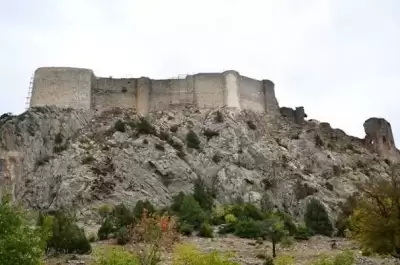
Feke Castle
Feke Castle, rising on a steep hill at an altitude of 1270 meters in Sülemişli Neighborhood …

Kozan Castle (Sis Castle)
Rising on a strategic hill in Adana's Kozan district, Kozan Castle is one of the region's mo…

Kuruköprü Monumental Museum and Traditional Adana House
Serving in a historic church building constructed by the Greek community in 1845, this museu…

Magarsus Ancient City
Rising on a promontory overlooking the Mediterranean in Adana's Karataş district, Magarsus A…
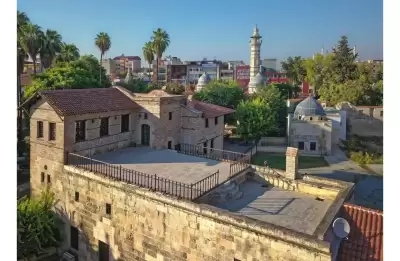
Ramazanoğlu Mansion
Located within the Ulu Cami Complex in the historical center of Adana, Ramazanoğlu Mansion i…
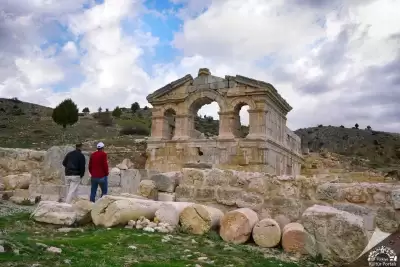
Şar Ancient City
Hidden near the Kayseri border in Adana's Tufanbeyli district, Şar Ancient City houses the r…
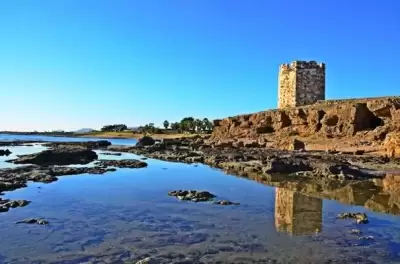
Suleyman Tower
Suleyman Tower, rising on the Mediterranean coast in Adana's Yumurtalık district, is an Otto…

Stone Bridge (Adana)
The Stone Bridge, a symbol of Adana, is a 310-meter historical structure built by an archite…
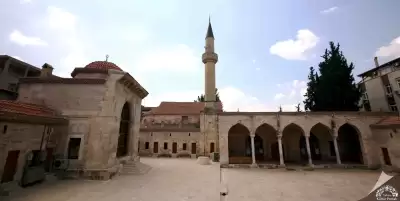
Yağ Mosque
Rising in the heart of Adana's Grand Bazaar district, Yağ Mosque was converted from a Crusad…
Bu yazıyı paylaş