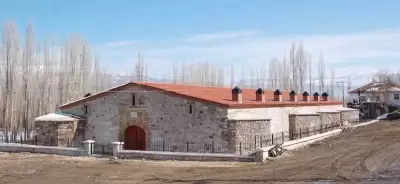
Fethiye Mosque is a historical structure located in Amasya's Fethiye District, built as a Byzantine church in the 7th century, and converted into a mosque by Danişmendli Fetih Gazi in 1116; admission is free.
Among the structures imbued with Amasya's historical fabric, Fethiye Mosque holds a special place. Rising in the Fethiye District, close to the Yeşilırmak River, this structure first came to life as a Byzantine church; it was then converted into a mosque after the conquest by Danişmendli Fetih Gazi in 1116. The church is known to have been built in the 7th century by Helena, daughter of the Byzantine Emperor Phocas of that period. With this history, the structure is one of the rare places that simultaneously bears the traces of both Byzantine and Anatolian Turkish heritage.
Guide's Note
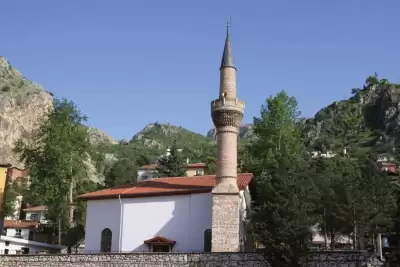
About Fethiye Mosque
Fethiye Mosque is one of Amasya's oldest and most layered historical structures. Also known as Kuba Dede Mosque, the building is a tangible witness to a long journey from the Byzantine period to the Danişmendids, and from there to the present day. The mosque, which stands out with its inverted T-plan and square-plan prayer section, also attracts visitors with its deep niche-shaped entrance gate and original interior decorations.
The most striking feature of the structure is that it bears the traces of different civilizations simultaneously. The traces of Byzantine stonework and the architectural interventions from the Danişmendli period make the building not only a place of worship but also a living historical document.
When to Visit?
Amasya's climate offers the most comfortable conditions for travelers in spring and autumn. For structures like Fethiye Mosque, which are included in an outdoor walking route, the periods of April–May and September–October are ideal; the weather is neither too hot nor too cold.
Visiting in the early morning or late afternoon can provide a calmer experience, away from the crowds. Since prayer intensity may increase during Friday prayer times, it would be more appropriate to plan a visit outside these hours.
How to Get There?
Fethiye Mosque is located very close to Amasya city center. It is possible to reach by walking from the city's main square; simply follow the Fethiye District signs. It can also be easily reached by taxi or city minibuses.
In terms of arriving in Amasya, there are regular bus services to the city from major cities such as Ankara, Samsun, and Sivas. Amasya's train station is also close to the city center. For those arriving by car, parking areas are available in the city center; however, caution is advised in the narrow streets of the historical districts.
Suggested Route: Historical Amasya Walk
Fethiye Mosque is one of the most valuable stops that can be included in a walking route covering Amasya's historical center. You can start from the Yalıboyu Houses, proceed along the Yeşilırmak riverbank to Fethiye Mosque, and then visit other historical structures such as Burmalı Minare Mosque and Gümüşlü Mosque.
The Rock Tombs and Amasya Museum are also within walking distance and can be seen on the same day. It is recommended to allocate half a day to a full day to complete this entire route at a comfortable pace.
Photo Spots
Fethiye Mosque offers beautiful shots for photography enthusiasts with both its architectural details and the historical texture of its surroundings. The deep niche-shaped entrance gate of the structure provides a backdrop for impressive compositions with plays of light and shadow. Photos taken in the morning when natural light hits the facade yield very successful results.
When considered together with the historical streets of the surrounding Fethiye District and traditional Amasya houses, the mosque and its surroundings transform into an ideal place for a holistic historical atmosphere photograph. Its proximity to the Yeşilırmak River also provides an advantage in terms of background richness.
Things to Know Before Visiting
Fethiye Mosque is an actively used place of worship. During your visit, it is important to be mindful of prayer times and maintain a respectful distance from worshippers. Shoes must be removed upon entering; female visitors are expected to cover their heads.
Given the historical texture of the building, it is advisable to avoid using flash when taking photos inside. It is also useful to keep in mind that visiting hours may vary according to prayer times.
What to Eat Nearby?
Fethiye District and its surroundings are full of small restaurant and cafe options offering traditional Amasya delicacies. Amasya's local cuisine stands out with dishes like etli ekmek (meat bread), keşkek (a type of stew), and various pastries. The city's famous Amasya apple can also be found everywhere, both fresh and in various desserts and products.
Cafes and restaurants along the Yeşilırmak riverbank offer very pleasant options to relax and have a snack after visiting a historical site. Capping off morning visits with a local breakfast is also a great way to complete the Amasya experience.
This content originates from neresigezilir.com.tr and may not be copied without permission.
FAQ
Updated: