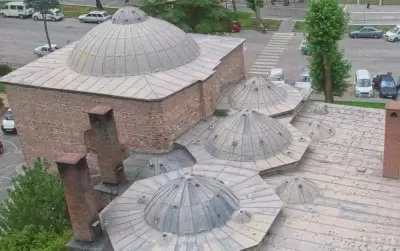
The Sabuncuoğlu Şerefeddin Museum of Medical and Surgical History is located in Amasya, in the Bimarhane building from the Ilkhanate period, built in 1308-1309, and showcases Ottoman medicine through surgical instruments and treatment methods.
Rising on the street parallel to the Yeşilırmak River in Amasya's Yakutiye neighborhood, this structure is one of the most important Ilkhanate period works in Anatolia. Built in 1308-1309 in the name of Sultan Mehmet Olcaytu and his wife Uduz Hatun, the Bimarhane served for centuries as both a healing hospital and a madrasah where knowledge was transferred. Today, the structure, converted into a museum, also holds the distinction of being the first known hospital in Anatolia where music therapy was applied.
Şerefeddin Sabuncuoğlu, after whom the museum is named, was one of the leading physicians of Sultan Mehmed the Conqueror's era; he served as chief physician in this hospital for 14 years and is the author of Cerrahiyyetü'l-Haniyye, the first surgical work written in Turkish. The museum exhibits Sabuncuoğlu's own works, surgical instruments from various branches, musical instruments used in music therapy, pharmacological plants, and documents related to the treatment methods of the period. The front facade of the building holds a separate value in terms of art history.
Guide's Note

This structure, built as a darüşşifa (hospital) in 1308 and converted into a museum in 2011, stands out as a place that tangibly conveys Amasya's historical texture. Visitors gain an interesting perspective on medieval medicine by seeing the rooms where music therapy was applied and Sabuncuoğlu's surgical instruments. The historical importance of the building and its collection are generally well-received.
However, recent visitor feedback indicates that the venue falls short of expectations in some aspects. Serious concerns are raised, particularly regarding maintenance and presentation quality; this negatively affects the experience offered by the historic building.
- Neglect: More than one visitor states that the venue generally appears neglected; this complaint applies to both the building itself and its garden.
- Garden arrangement: It is reported that plant samples in the garden of a museum related to medicinal plants are not displayed in a healthy and orderly manner, and despite being reported to staff, the issue persists.
- Entrance fee: The ticket price, stated as 80 TL, is considered high by some visitors, especially when evaluated alongside other museums in Amasya.
The History of a Hospital Transformed into a Museum
While the majority of visitors to Amasya head towards the riverside mansions and rock tombs along the Yeşilırmak, this structure requires a slightly more careful look. Built in 1308-1309 in the name of the Ilkhanate ruler Sultan Mehmet Olcaytu and his wife Uduz Hatun, the building is one of the most important surviving Ilkhanate period works in Anatolia. Designed with a madrasah plan scheme, the structure carries the architectural understanding of its era to the present day with its courtyard, iwan-style rooms, and stone craftsmanship.
This hospital, known as Bimarhane, treated patients and provided medical education for centuries. The name of Şerefeddin Sabuncuoğlu, who served as chief physician here in the 15th century, continues to live on the museum's sign today. After losing its function, the building was used for various purposes for a long time; finally, after an extensive restoration process, it was converted into a museum.
When Should You Visit?
Amasya is suitable for visiting in all four seasons; however, the most enjoyable period to visit the museum is between April-June and September-October. During these months, the weather is mild, making it much more comfortable to explore both the museum and its surrounding historical texture on foot. In July-August, the city becomes crowded; during this period, arriving early in the morning, preferably between 08:00-10:00, will help you avoid both queues and the heat. In winter, the number of visitors decreases, allowing you to explore the museum in a calmer environment; however, keep in mind that opening hours may change.
How to Get to the Museum?
The museum is located right in the heart of Amasya city center, on Mustafa Kemal Boulevard, parallel to the Yeşilırmak River. It is possible to reach it from almost any point in the city by walking or a short taxi ride. Dolmuşes coming from Amasya bus terminal to the center will drop you off in this area within a few minutes. If you are coming with your own car, you can look for parking on the boulevard and in side streets; however, finding parking can be difficult, especially during peak tourist seasons. Since important points such as Amasya Museum, Beyazıt Mosque, and the riverside mansions are also nearby, planning the museum as part of a walking route would be the smartest option.
A Route in Amasya That Can Be Combined with the Museum
The Sabuncuoğlu Museum is located in a position that can be easily combined with other structures in Amasya's historical center. You can start your day with breakfast by the Yeşilırmak River and visit the museum in the morning. Then, walking to the Amasya Archeology Museum, and in the afternoon, heading up to see the rock tombs and Harşena Castle makes for a logical plan. In the evening, watching the lights of the riverside mansions reflected on the Yeşilırmak offers one of Amasya's most romantic moments. All these points are within walking distance of each other, so they can be comfortably completed in a single day.
What to Eat Around the Museum?
There are many cafes and restaurants lined up along the Yeşilırmak River, very close to the museum. For those who want to try Amasya's unique flavors, desserts made with Amasya apple and local dishes stand out. Traditional restaurants in the city offer meat bread (etli ekmek), tarhana soup, and lamb stew, reflecting the region's culinary taste. For lunch, sitting in small cafes by the river and relaxing with tea becomes an integral part of an Amasya trip. For dinner, you can choose restaurants overlooking the view of the riverside mansions.
Best Spots for Taking Photos
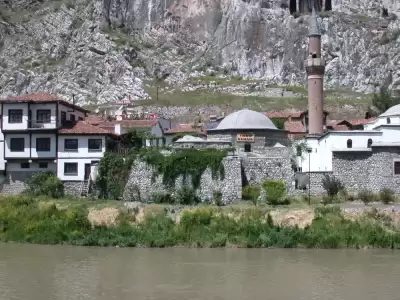
The museum's stone-carved front facade is a subject in itself for photography enthusiasts. This facade, bearing the traces of Ilkhanate period stone craftsmanship, looks much more impressive in the morning light or in the softened sun of the afternoon. The inscription above the entrance gate and geometric motifs offer ideal details for close-up shots. Inside the courtyard, it is also possible to capture beautiful compositions framing the original architectural elements and exhibition areas. Upon exiting the museum, you can walk to the Yeşilırmak riverside and take the classic Amasya photo, combining the rock tombs and riverside mansions on the opposite bank in the same frame.
Things to Know Before Visiting
Before entering the museum, we recommend confirming opening hours and ticket prices; this information may vary by season and year. Since the structure is a historic building, the floors inside may be uneven; it is advisable to wear comfortable, non-slip shoes. Don't forget to ask the entrance attendant if photography is allowed in certain exhibition areas. Disabled access and stroller use may be limited due to the historical nature of the building. The museum can get crowded, especially on weekday mornings when school groups are frequent; for a quieter visit, you might consider a weekend afternoon.
This content originates from neresigezilir.com.tr and may not be copied without permission.
Sabuncuoğlu Şerefeddin Museum of Medical and Surgical History Videos
Sabuncuoğlu Şerefeddin Museum of Medical and Surgical History videos load when you open this section to keep the page fast.
Show videos
FAQ

Updated: