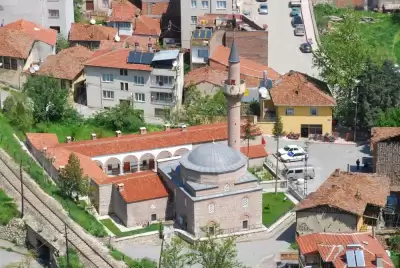
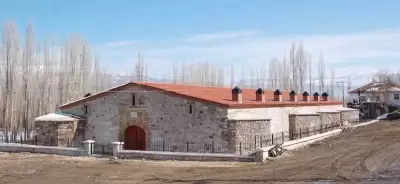
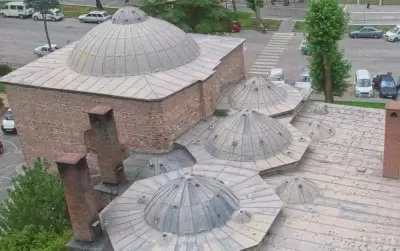
Şadgeldi Pasha Tomb is a 14th-century medieval structure located in Amasya's Gökmedrese Neighborhood, built in the name of Hacı Şadgeldi Pasha, founder of the Şadgeldiler Principality; it can be visited free of charge.
Amasya, as one of Anatolia's cities with the most intense historical layers, bears traces from every period. The quietest yet most meaningful of these traces are the city's tombs. Şadgeldi Pasha Tomb, built in the name of Hacı Şadgeldi Pasha, the founder of the Şadgeldiler Principality which ruled in the 14th century, is a valuable medieval structure in Amasya's Gökmedrese Neighborhood that has survived to the present day.
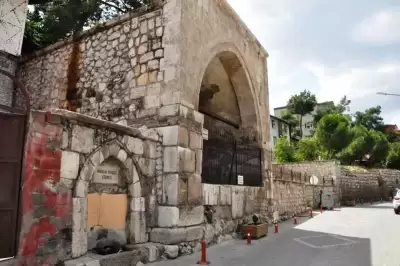
While the iwan-fronted facade of the tomb facing Torumtay Street is entirely constructed from finely cut stone, rough hewn and rubble stone masonry is noticeable on the other facades. This difference offers important clues about the building's construction process and the material understanding of the period. Thanks to its close proximity to the Halifet Gazi Tomb and the Kadılar Tomb, the tomb serves as a natural stop on Amasya's historical tomb route.
Guide's Note

About Şadgeldi Pasha Tomb
Şadgeldi Pasha Tomb is a Beylik period structure rising on Torumtay Street in Amasya's Gökmedrese Neighborhood, dating from the 14th century to the present day. The tomb is named after Hacı Şadgeldi Pasha, the founder of the Şadgeldiler Principality. Amasya was an important political and cultural center during the Anatolian Seljuk and Beylik periods; this tomb is one of the rare examples reflecting the architectural heritage of that era.
The most striking feature of the structure is the difference in its facade masonry. While the iwan-fronted facade facing Torumtay Street is entirely constructed from finely cut stone, rough hewn and rubble stone were used on the other facades. This situation reveals the construction approach of the period and how resources were managed. The tomb, along with the nearby Halifet Gazi Tomb and Kadılar Tomb, forms an integral part of Amasya's historical tomb route.
When to Visit?
The ideal times to visit Amasya are April-May and September-October. During these seasons, the weather is mild, allowing you to comfortably explore the city's historical texture and tombs. Although temperatures rise in summer, visiting the tomb in the early morning or late afternoon is both more comfortable and more suitable for photography due to the light.
The exterior of the tomb is accessible throughout the day. Weekday visits make it possible to avoid crowds; especially morning hours offer an opportunity for a quiet exploration along with the surrounding historical structures.
How to Get There?
The tomb is located at Torumtay Sokak No:105, Gökmedrese Neighborhood, in Amasya city center. Since it is close to the historical core of the city, walking is the most practical option. If you set off using Halifet Gazi Tomb as a reference, you will find Şadgeldi Pasha Tomb directly opposite.
Those arriving in Amasya by bus can reach the tomb by walking or a short taxi ride after getting off in the city center. For those arriving by car, parking is available around Torumtay Street. Since Gökmedrese, Halifet Gazi Tomb, and Kadılar Tomb are on the same route, it is possible to visit multiple historical structures in a single walk.
Suggested Route: Tomb Route
We recommend creating a route that combines your visit to Şadgeldi Pasha Tomb with other historical structures in its vicinity. Starting from Torumtay Street, you can first visit the Halifet Gazi Tomb, then the Kadılar Tomb, and finally the Şadgeldi Pasha Tomb. This trio offers an opportunity to see the tomb architecture of Amasya's Beyliks and early Ottoman periods together.
If you extend your route a bit, you can also visit the nearby Gökmedrese. Gökmedrese is one of Amasya's most impressive Seljuk structures, built by Seyfettin Torumtay. A walk covering all these stops takes approximately half a day and allows you to deeply grasp Amasya's historical texture.
Photo Spots
The iwan-fronted facade of the tomb facing Torumtay Street, with its finely cut stone masonry, offers the strongest composition for photography. In the morning light, the stone texture of the facade becomes prominent, creating an ideal background for detailed photos. In a wide-angle shot, it is possible to frame the tomb along with the surrounding historical street texture.
On the other hand, the rough hewn and rubble stone masonry on the different facades of the tomb offers an interesting detail for photography enthusiasts seeking architectural contrast. Angles where it can be captured in the same frame as the Halifet Gazi Tomb can also be considered; frames showing both structures together summarize Amasya's tomb heritage in a single shot.
Things to Consider Before Visiting
As the tomb is a religious and historical structure, a quiet and respectful demeanor is expected during the visit. If entry to the interior is possible, it is appropriate to visit in suitable attire. Maintenance and restoration work on the structure is carried out from time to time; therefore, it is recommended to confirm whether the tomb is open for access from local sources before your visit.
The sidewalks and street surfaces around the tomb may be uneven; choosing comfortable walking shoes will increase your comfort when visiting this tomb and the surrounding historical structures. When taking photos, care should be taken not to negatively affect the experience of other visitors.
How Many Days to Allocate for Amasya?
Although Şadgeldi Pasha Tomb itself requires a short visit, we recommend allocating at least two full days to fully appreciate Amasya's historical richness. On the first day, you can visit the Yalıboyu Houses along the Yeşilırmak River, the King Rock Tombs, and the tomb route; on the second day, structures such as the Amasya Museum, Büyük Ağa Madrasa, and Bimarhane can be visited.
If you are planning a short day trip to Amasya, you can create the most efficient route by prioritizing the tomb route and Gökmedrese. Since Şadgeldi Pasha Tomb is a natural part of this route, you won't need to allocate a separate time slot.
This content originates from neresigezilir.com.tr and may not be copied without permission.
FAQ
Updated: