The Museum of Princes is located in a historic waterfront house on the Yeşilırmak riverbank in Amasya, showcasing the culture of the period with wax figures of 7 Ottoman sultans who served as princes and later ascended to the throne.
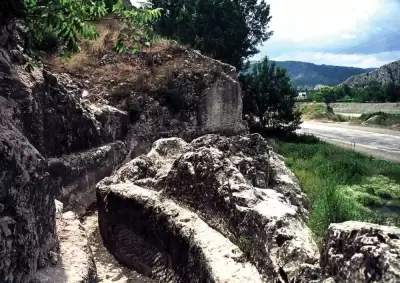
The Museum of Princes is located in a two-story wooden mansion built on the old city walls along the Yeşilırmak River. The building reflects 15th-16th century Anatolian Turkish house architecture: walls feature Hatai and Rumi patterned decorations, and traditional woven carpets cover the floors. It is right next to the Alçak Bridge, at the foot of the King Rock Tombs.
On the upper floor, wax figures of seven sultans who spent their princedom in Amasya and later ascended to the throne are displayed: Bayezid I, Mehmed I, Murad II, Mehmed the Conqueror, Bayezid II, Selim I, and Murad III. On the lower floor, there are five princes who never became sultans: Mustafa and Bayezid (sons of Suleiman the Magnificent), Ahmet and Alaeddin (sons of Murad II), and Ahmet (son of Bayezid II). A video describing the period plays next to each figure, with a total duration of approximately 30 minutes.
Visitor reviews frequently emphasize that the museum is small and can be toured quickly; most people write that they visited it in 15 minutes. The realism of the wax figures can be unsettling for some, while others state that the content and narration are superficial, expecting more detailed historical explanations. Nevertheless, it is a short but memorable stop for families with children and those interested in Ottoman history.
Guide's Note

The Museum of Princes is located in a two-story waterfront mansion in Amasya's historical bazaar, on the banks of the Yeşilırmak River. Inside, wax figures of princes and sultans who lived in Amasya, along with period accessories, are exhibited; there is also a short video presentation telling their life stories. The vast majority of visitors appreciate the spiritual atmosphere and historical ambiance of the place, recommending it to those visiting Amasya.
The museum is quite small and can be toured in a short time, approximately 15 minutes. The entrance fee is 50 TL as of July 2025, and visitors under 18 and over 65 are exempt from the fee. It has been observed to be open on public holidays; however, experiences of it being closed on Mondays have also been shared, so it is recommended to confirm the hours before visiting.
- Museum Pass and credit cards are not accepted: Payment is accepted only in cash; this is the most frequently voiced complaint among visitors.
- Limited content: Some visitors find the number of exhibited statues and items insufficient compared to the 50 TL entrance fee.
- Risk of closure: More than one visitor has stated finding the museum closed; it may be useful to confirm whether it is open before going.
When to Visit
Since the museum is small, prefer morning or afternoon hours. It is stated that there is a lunch break, if you happen to be there during those hours, you can go to the Pontus King Rock Tombs located just above. It may be closed on Mondays, confirming in advance will save you time.
How to Get There
The museum is in Amasya city center, Hatuniye Neighborhood, on the banks of the Yeşilırmak River and right next to the Alçak Bridge. It can be reached by walking along Mehmet Paşa Street or by a short taxi ride. It is close to other stops in the center (Hazeranlar Mansion, Yaliboyu houses), easily added to a walking route.
How Many Minutes to Allocate
It is a two-story but small structure; visitors usually tour it in 15 minutes. If you also listen to the short narrations on the digital screens next to the statues, the time may extend to 20-25 minutes. For a busy Amasya trip, you don't need to allocate more than half an hour for this alone.
Where to Place in Your Itinerary
Since the museum is very close to Alçak Bridge and the King Rock Tombs, it makes sense to visit these three stops consecutively. While walking through the Yaliboyu houses, you can fit the museum into the middle of your route, either before or after lunch. Hazeranlar Mansion is also within walking distance and can be added to the same day.
For Photography
The sultan statues on the upper floor, with their period-appropriate clothing, are the most photographed corner. The exterior of the building, with its wooden structure on the Yeşilırmak riverbank, also provides a good background for shots taken from the bridge.
Things to Consider
Museum Pass is not valid for the entrance fee, and some visitors state that credit cards are also not accepted. Bring cash with you. Some visitors believe that the museum's content is limited in terms of information, offering more of a visual experience; those expecting intense historical narration should keep this in mind. The realism of the wax figures can cause unease in some visitors.
Why It Should Be Seen
It is a stop that briefly and concretely explains Amasya's special place in Ottoman history and its identity as a city of princes. By featuring figures who ascended to the throne, such as Fatih Sultan Mehmet and Yavuz Sultan Selim, as well as princes who never became sultans, it offers an opportunity to look at known Ottoman history from a different perspective.
This content originates from neresigezilir.com.tr and may not be copied without permission.
FAQ
Museum of Princes videos load when you open this section to keep the page fast.

Updated: