
Izmir stands out not only for its Kordon and sea but also for its historical and cultural riches. This 2-day itinerary offers a journey starting from the heart of the city and extending to ancient times. Discover the texture of historical bazaars, traces of the past in museums, and the unique villages of the Aegean.
Izmir welcomes its visitors not only with its Kordon and sea but also with its deep-rooted historical and cultural riches. This two-day itinerary offers a journey starting from the heart of the city and extending to ancient times. You will feel the texture of historical bazaars, trace the past in museums, and relax in the unique villages of the Aegean. Get ready, we will explore Izmir's hidden or well-known corners together.
Kadifekale
Located 186 meters high in the south of Izmir, Kadifekale is the acropolis of ancient Smyrna. This hill, formerly known as Pagos, has been a symbol of the city since the Hellenistic period. The panoramic view extending over Izmir Bay and the city from here is especially impressive at sunset. While wandering among the remains of the castle walls, it is possible to feel the layers of history.
Dönertaş Sebil
After Kadifekale, as you descend towards the heart of the city, Dönertaş Sebil will appear at the intersection of Anafartalar Street and Osmanzade Yokuşu. Built in 1814, this single-domed, square-plan Ottoman structure stands out with its baroque and rococo details in marble craftsmanship. You can see the Western influence on Ottoman architecture in the early 19th century in this elegant work.
Izmir Women's Museum
A short walk from Dönertaş Sebil will take you to the Izmir Women's Museum in the Tilkilik district of Basmane. This place, Turkey's first women's museum with a physical space, is located in a historical house from the 19th century. Among the artifacts documenting the history, struggle, and cultural heritage of Anatolian women are masks of Halide Edip Adıvar and Afife Jale. Admission is free, but remember it is a boutique museum.
Izmir Archaeology Museum
The fourth stop of the day is the Izmir Archaeology Museum within Bahribaba Park in Konak. It reveals the ancient history of the region with marble sculptures, sarcophagi, ceramics, and mosaics unearthed from the Aegean Region. The sculpture collection, in particular, reflects the artistic power of the Hellenistic and Roman periods. The museum shares the same garden with the Ethnography Museum, which can offer you a different cultural experience.
Izmir Clock Tower
You can complete the first day at the Izmir Clock Tower, the symbol of Konak Square. Built in 1901 to commemorate the 25th anniversary of Sultan Abdülhamid II's ascension to the throne, this 25-meter-high tower is one of the city's most recognized structures. It offers an architectural feast with fountains on its four facades and a clock mechanism gifted by German Emperor Wilhelm II. Sit in the square and relieve the day's fatigue while admiring the elegance of the tower.
Our second-day route extends to Selçuk and its surroundings. First, we set off towards the heart of the ancient city of Ephesus, the Selçuk Ephesus Museum.
Selçuk Ephesus Museum
The Selçuk Ephesus Museum has a rich collection of over 64,000 artifacts unearthed from the excavations of the ancient city of Ephesus. With Artemis statues, Roman sculptures in the Imperial Hall, and everyday life objects, it is one of the most important archaeological museums in the Aegean. The museum is an excellent starting point for understanding the cultural and artistic heritage of Ephesus.
Ayasuluk Hill and St. John Monument Archaeological Site
After the museum, climb Ayasuluk Hill, which is within walking distance. This is the first founding point of Ephesus and hosts the remains of the basilica built over the tomb of St. John. The walls of Selçuk Castle and archaeological layers extending from the Bronze Age to the Ottoman period whisper history in every corner of the hill. This UNESCO World Heritage site will also enchant you with its commanding view of the Selçuk plain.
Cave of the Seven Sleepers (Ashab-ı Kehf)
After Ayasuluk Hill, proceed to the Cave of the Seven Sleepers on the slopes of Panayır Mountain. This legendary cave, considered sacred in both Christian and Islamic faiths, is known as the place where seven young people fleeing pagan persecution during the Roman period took refuge. Church ruins and tombstones unearthed in archaeological excavations reinforce its religious and historical importance.
Şirince Village
End the day in Şirince Village, 8 km from Selçuk. This village, famous for its 19th-century stone Greek houses, narrow streets, and fruit wines, is built on the hillside. You can browse shops selling handicrafts, taste local delicacies, and relax in the peaceful atmosphere of the village. Especially at sunset, the village view takes on a very different beauty.
This two-day itinerary in Izmir brings together both the modern face of the city and its thousands of years of history. After exploring the historical texture in the center, you can experience the rich culture of the Aegean by taking a journey to the ancient heritage of Selçuk. For transportation, you can prefer public transport or taxis within the city, and minibuses or private vehicles for the Selçuk region. Remember, planning your trip by considering museum closing times and the crowds in Şirince will make your visit more enjoyable.
This content originates from neresigezilir.com.tr and may not be copied without permission.
Places in This Article
Places to visit mentioned in this article
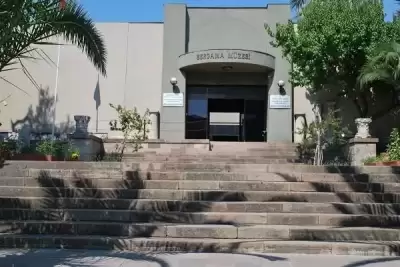
Bergama Museum
Bergama Museum, opened in 1936, is a well-established archaeological museum housing artifact…

Thousand-Year-Old Historic Plane Trees
These monumental plane trees, standing in front of Hasanağa Garden near the Kaynaklar distri…
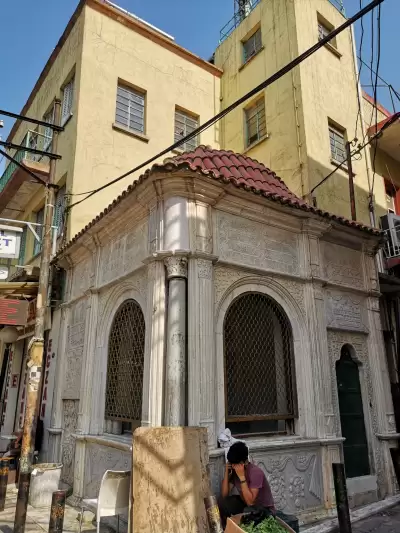
Dönertaş Sebil
Standing at the intersection of Anafartalar Street and Osmanzade Yokuşu in Izmir, Dönertaş S…

Izmir Archaeology Museum
Located within Bahribaba Park in Izmir's Konak district, the Izmir Archaeology Museum showca…

Izmir Museum of Painting and Sculpture
Opening its doors in Izmir Kültürpark in 1952, the Izmir Museum of Painting and Sculpture ho…

Izmir History and Art Museum
Located within Izmir Kültürpark, near the Montreux Gate, the Izmir History and Art Museum is…

Kestanepazarı Mosque
The Kestanepazarı Mosque, located in the heart of Kemeraltı Bazaar in Izmir's Konak district…

Kılcızade Mehmet Ağa Mosque
The Kılcızade Mehmet Ağa Mosque, located in Bademli, Ödemiş district of İzmir, dates back to…

Klazomenai Ancient City
Located on the coast of Izmir Bay in Urla district, Izmir, Klazomenai is one of the twelve I…

Latife Hanım Mansion Memorial House Museum
This historic mansion in İzmir's Karşıyaka district was built as a summer residence by the U…
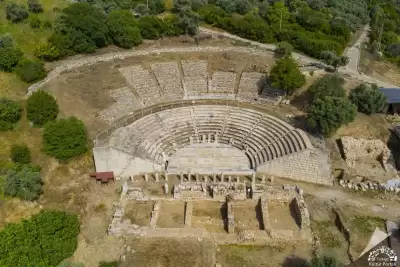
Metropolis Ancient City
Rising on the foothills of Mount Gallesion in Izmir's Torbalı district, the ancient city of …
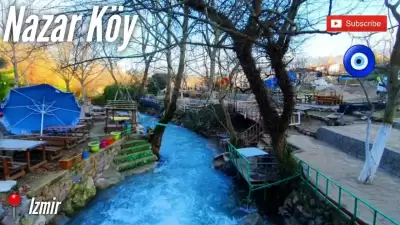
Nazarköy (Kemalpaşa) – İzmir's Evil Eye Bead Village
Nazarköy, formerly known as Kurudere, located in the Kemalpaşa district, approximately 25-33…

Ödemiş Archaeology and Ethnography Museum
Located on Atatürk Street in the Ödemiş district of İzmir, this museum brings together the r…
Teos Ancient City
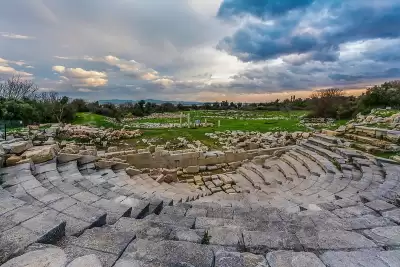
Located on the coast in Sığacık neighborhood of Seferihisar district in İzmir, Teos is an Io…
Ulucak Höyük
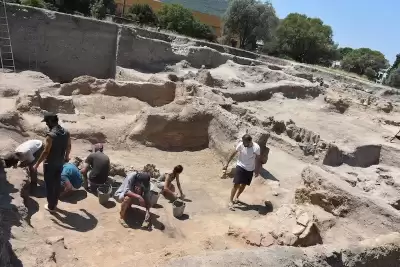
Ulucak Höyük, located in the Ulucak neighborhood of Kemalpaşa district in İzmir, is consider…
Bu yazıyı paylaş