Bergama Museum, located in the Bergama district of İzmir, is an archaeological museum opened in 1936, housing artifacts unearthed from the ancient city of Pergamon. The collection, spanning from the Early Bronze Age to the Byzantine period, exhibits original sculptures, inscriptions, ceramics, and coins from the Acropolis, Asklepion, and Red Basilica excavations.
Bergama Museum stands in the heart of Bergama district in İzmir, a city where history has accumulated layer by layer. Opened to visitors by İzmir Governor Fazlı Güleç on October 30, 1936, the museum is the most tangible legacy of archaeological excavations carried out in the region for decades. The collection covers a wide period, from the Early Bronze Age to the Hellenistic period, from the Roman era to Byzantium.
Most of the exhibited artifacts were obtained from excavations conducted in iconic areas such as the Bergama Acropolis, Asklepion, and Red Basilica. Sculptures, inscriptions, ceramics, coins, and architectural pieces clearly reveal how powerful and culturally vibrant Pergamon was in the ancient world. Visiting the museum makes the open-air sites to be visited later much more meaningful, as the original pieces of the ruins you see on site await you here.
Museum Card holders can enter for free. For those planning to spend a full day in Bergama, starting the day here allows you to visit the Acropolis and Asklepion with a much more informed perspective.
Guide's Note
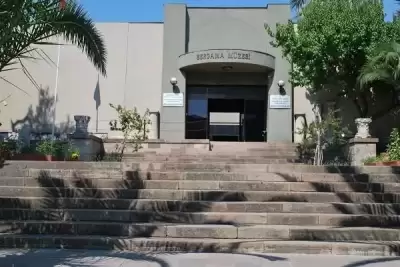
Bergama Museum stands out as a clean and well-maintained venue, positively received by the vast majority of visitors. The exhibited artifacts are considered high quality; the friendly attitude of security guards and staff is also frequently mentioned as a plus. Museum card holders can enter for free.
There are different impressions among visitors regarding the size of the museum: some describe the venue as small enough to be toured in 20-25 minutes, while others state that it can take a full day if all details are paid attention to. Going with prior knowledge about Bergama's history, especially understanding the story of artifacts like the Temple of Zeus, makes the visit much more meaningful. It is recommended to include climbing the hill in your plan after visiting the museum.
One point visitors draw attention to is related to the way the artifacts are displayed: despite the richness of the collection, it is thought that providing more comprehensive background information and stories for each piece would better serve the museum's purpose. It may be beneficial to plan your visit considering your expectations in this regard.
Best Time to Visit
The ideal periods to visit Bergama and the museum are April–May and September–October. During these periods, air temperatures are very suitable for a comfortable visit both inside the museum and in the surrounding open-air areas. In July and August, the scorching heat of the Aegean can make spending all day outdoors difficult; during the summer months, it would be a much more logical plan to enter the museum at opening time, around 08:30–09:00, and then proceed to the Acropolis and Asklepion. In winter months, visitor density drops considerably, which provides an opportunity to visit the museum quietly; however, services in some open-air areas may be limited.
How to Get to Bergama Museum
The most practical way to reach Bergama from İzmir is by bus. There are frequent services from İzmir Bus Terminal to Bergama; the journey takes approximately 1.5–2 hours. Those coming by car can follow the İzmir-Çanakkale highway (D550); reaching the town center from the Bergama exit takes a few minutes. Once you arrive in Bergama town center, the museum is easily found on Cumhuriyet Street; it can be reached on foot or by a short taxi ride. From İzmir Adnan Menderes Airport, it's about a 1.5-hour drive.
Full-Day Itinerary Suggestion in Bergama
For those who want to visit Bergama efficiently in one day, the suggested itinerary can be structured as follows: Start your day with the Bergama Museum. Entering the museum early in the morning allows you to avoid crowds and helps you evaluate the areas you will visit during the day in context. After leaving the museum, visit the nearby Red Basilica and the newly opened Parchment Museum. After lunch, ascend to the Bergama Acropolis; using the cable car will save you time and allow you to enjoy the panoramic view. End the day with the Asklepion. This route allows you to understand Bergama's ancient heritage layer by layer.
What to Eat in Bergama
Bergama is a district that also pleases visitors with its local cuisine. There are many local restaurants around the museum and in the town center. Bergama tarhana soup, olive oil stuffed vine leaves, and keşkek are among the prominent local delicacies. There are also small artisan restaurants and breakfast places in Bergama bazaar. For those who set off early in the morning, it is recommended to have an Aegean breakfast in the town center before visiting the museum. Tasting fresh olive oil products in this region, where olive oil production is intense, is also a special pleasure.
Photo Spots
Photography is generally allowed inside the Bergama Museum, but it is necessary to follow the guidance of museum staff regarding flash use and tripods. The Hellenistic period sculptures and reliefs in the museum offer impressive shots, especially during hours when natural light falls on the display cases. The museum building itself is also interesting with its architectural features from the 1930s. After the visit, the brick walls of the Red Basilica and the panoramic view of the Bergama Acropolis are among the most photographic spots in Bergama.
Things to Consider Before Visiting
Before entering the museum, check if you have a Museum Card; cardholders benefit from free entry. It is recommended to confirm current opening hours and entrance fees on the official website of the Ministry of Culture and Tourism or before visiting the museum area. If you plan to spend a full day in Bergama, taking water and light snacks with you will be a great convenience, especially in summer. Comfortable walking shoes are essential for open-air areas like the Acropolis and Asklepion. Respecting other visitors when taking photos inside the museum and not touching the artifacts are among the basic rules.
This content originates from neresigezilir.com.tr and may not be copied without permission.
Bergama Museum Videos
Bergama Museum videos load when you open this section to keep the page fast.
Show videos
FAQ

Updated: