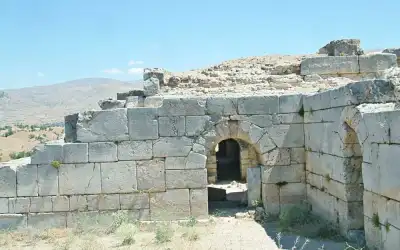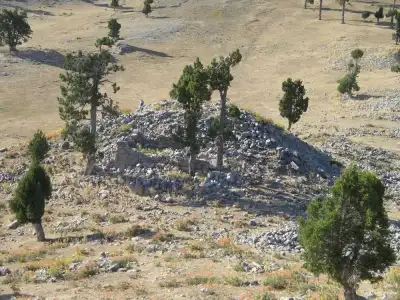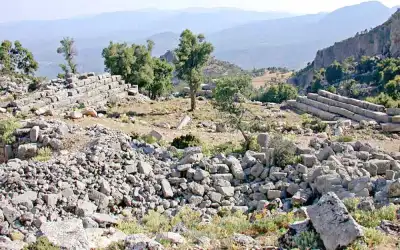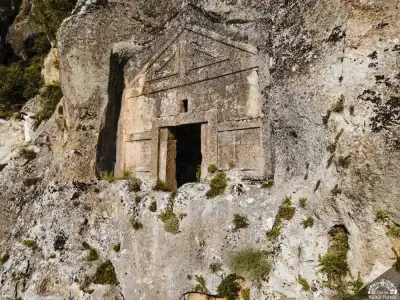
Neapolis, Isparta'nın Şarkikaraağaç ilçesindeki Yassıbel Köyü'nde, Beyşehir Gölü kuzeyindeki Kale Dağı yamaçlarında yer alan, Roma yolu üzerinde kurulmuş antik yerleşim; buluntuları Isparta Müzesi'nde sergilenmektedir.
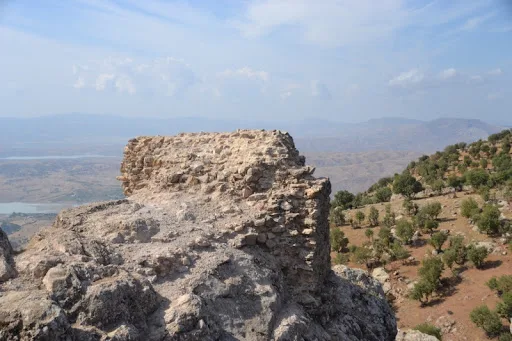
Neapolis was a settlement established on the Roman road extending from Antiokheia (modern-day Yalvaç) to Lycaonia and Pamphylia. It is located north of Lake Beyşehir, on the slopes of Kale Dağı in Yassıbel Village, part of the Şarkikaraağaç district of Isparta. The city is thought to have been founded by Thracian colonists at the same time as Apollonia in Uluborlu.
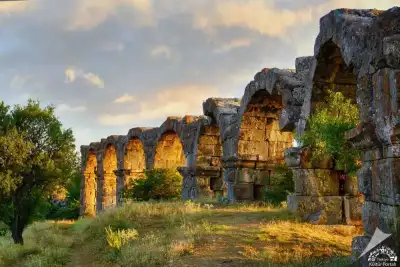
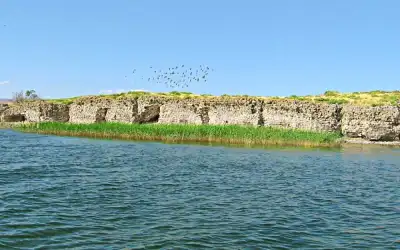
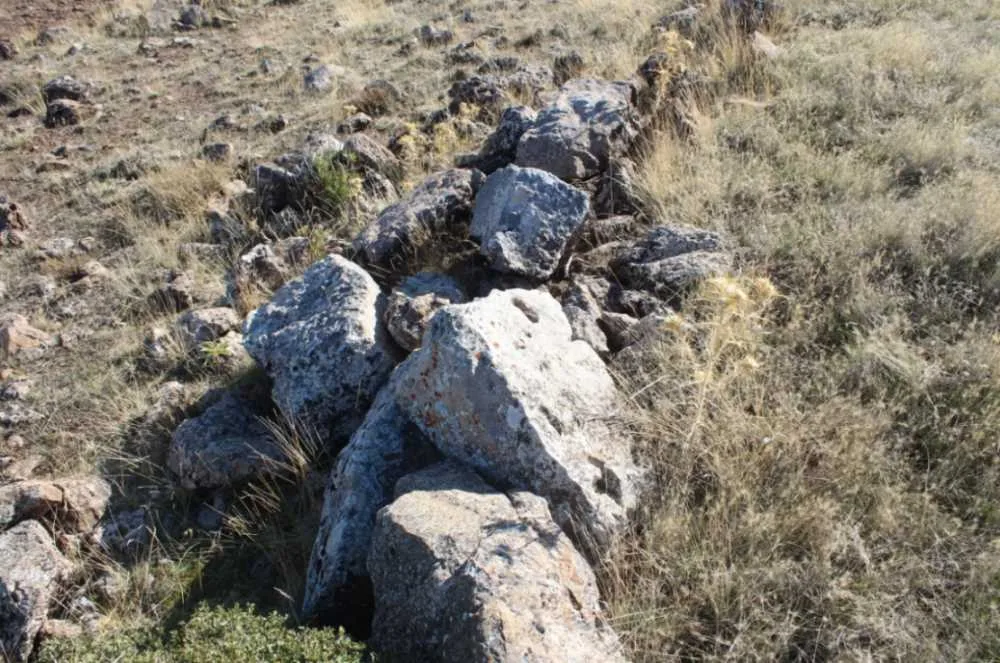
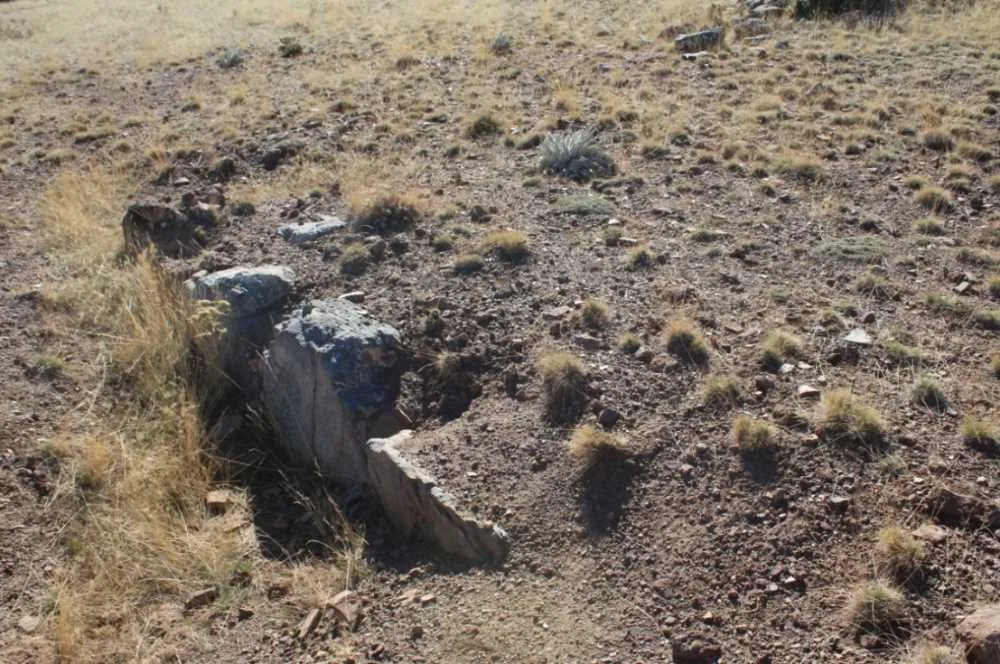
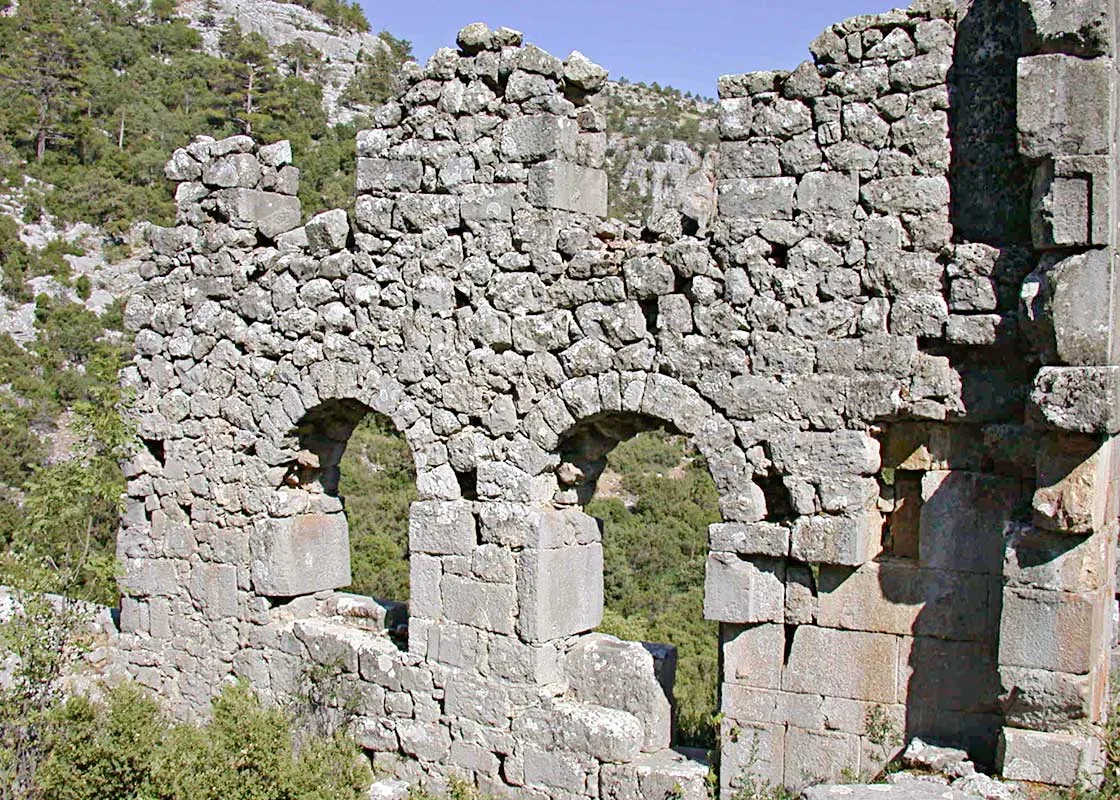
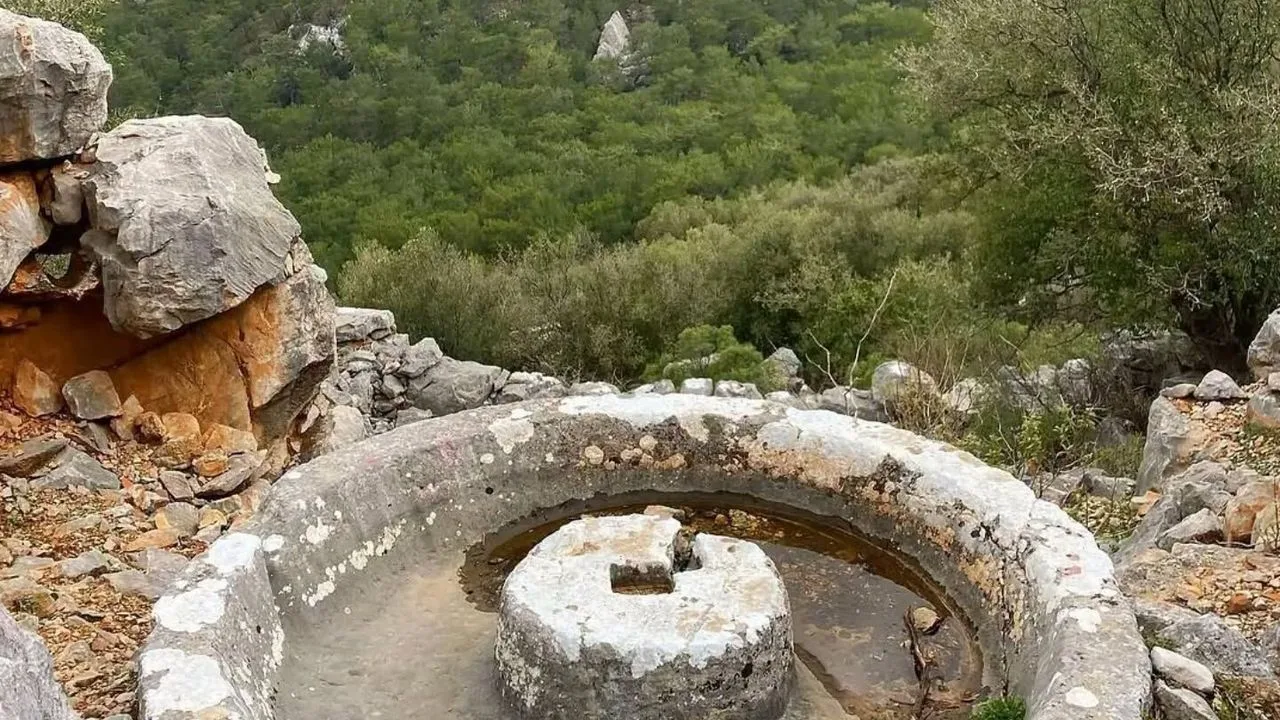
There are almost no remains of the city that have survived to the present day. Architrave blocks, columns, and tomb steles discovered during studies in the region were not left in situ; today, they are part of the inventory of the Isparta Museum. This is what makes Neapolis interesting: not the standing structures, but the pieces moved to the museum and its historical position.
If you plan to go here, set your expectations from the start. There are no walls, temples, or theaters to see on site. The real value lies in exploring the region knowing the city's location on the Roman road and its colonization story, and examining the artifacts in the museum with this knowledge.
Guide's Note
Where and When Was Neapolis Founded?
The city is located north of Lake Beyşehir, on the Roman road route extending from Antiokheia (Yalvaç) to the Lycaonia and Pamphylia regions. It is thought to have been founded by Thracian colonists through a colonization process coinciding with the same period as Apollonia in Uluborlu. Administratively, it is situated today within the borders of Yassıbel Village, part of Isparta's Şarkikaraağaç district, on the slopes of Kale Dağı.
Where are the Remains: On Site or in the Museum?
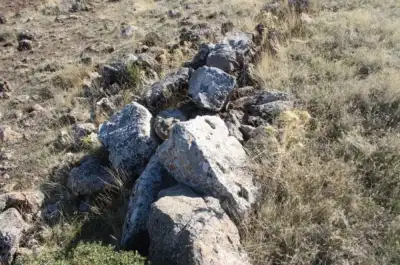
The most important detail here is that there are no visible remains of the city left in the immediate vicinity. The discovered architrave blocks, columns, and tomb steles have been removed from the site and transferred to the Isparta Museum. If you want to fully experience Neapolis, you need to both explore the terrain and visit the museum.
How to Get There?
From Isparta city center, reaching Şarkikaraağaç district by private car takes approximately one hour. After passing from the district to Yassıbel Village, you need to walk up the slopes of Kale Dağı. There is no regularly marked path, so getting directions from a local will make your job easier.
How Much Time Should Be Allocated?
1-2 hours is sufficient for exploring the terrain and walking. If you also want to see the artifacts belonging to Neapolis in the Isparta Museum, you need to add a museum visit to your day, which would take about half a day.
How to Include it in Your Itinerary?
Neapolis is not so much a standalone travel destination as it is a stop to be planned along with other historical sites in and around Şarkikaraağaç. Visiting the museum in Isparta city center at the beginning of the day and then heading towards Şarkikaraağaç is a logical sequence.
Things to Know Before You Go
This is not an organized, controlled archaeological site. Do not expect road signs, information boards, or guiding services. The terrain is not flat and requires walking along slopes; it is advisable to bring appropriate shoes and water.
Details to See
There are no prominent large structures on site. The main points of interest are the city's strategic location within the Roman road network and its Thracian colonization history. The architrave fragments and tomb steles exhibited in the Isparta Museum constitute a large part of the city's visual heritage.
This content originates from neresigezilir.com.tr and may not be copied without permission.
Neapolis Ancient City Videos
Neapolis Ancient City videos load when you open this section to keep the page fast.
Show videos
FAQ

Updated: