Kapıkaya Ruins, located near Güneyce and Çukur villages in Isparta, Türkiye, is a Hellenistic-era ancient city featuring rock-carved ossuaries, terraced structures, and a horseshoe-shaped meeting area with five stepped rows.
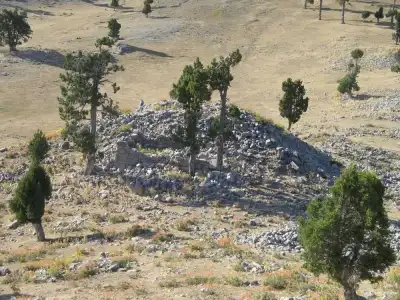
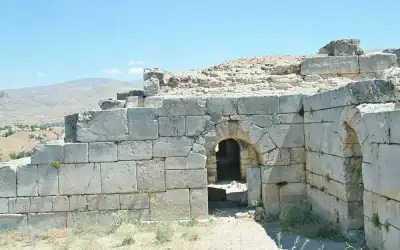
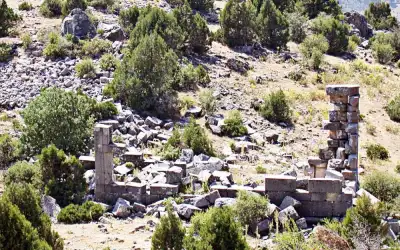
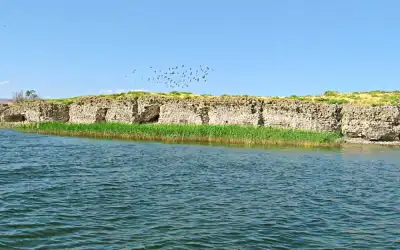
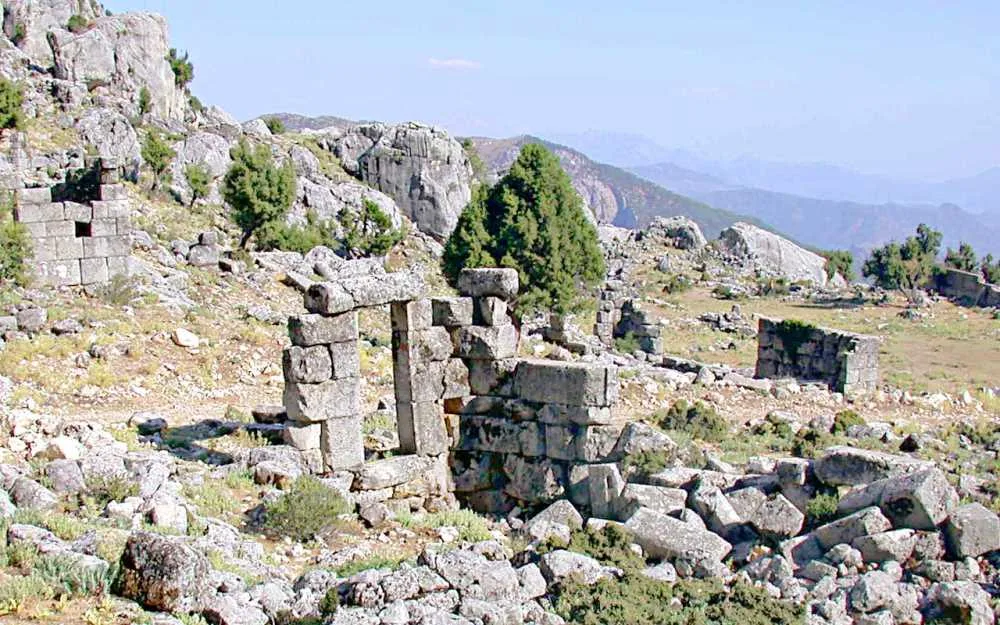
The name of Kapıkaya is not clear in historical sources. Some researchers believe it to be Sandallion, while others identify it with Minassos or Tityassos. It was founded in the Hellenistic period and spread over a sloping terrain. The south is surrounded by walls, while a steep rocky area rises to the north. At the entrance, niches similar to those in Sagalassos are carved into the rocks on both sides; these are ossuaries where the ashes of the dead were placed.
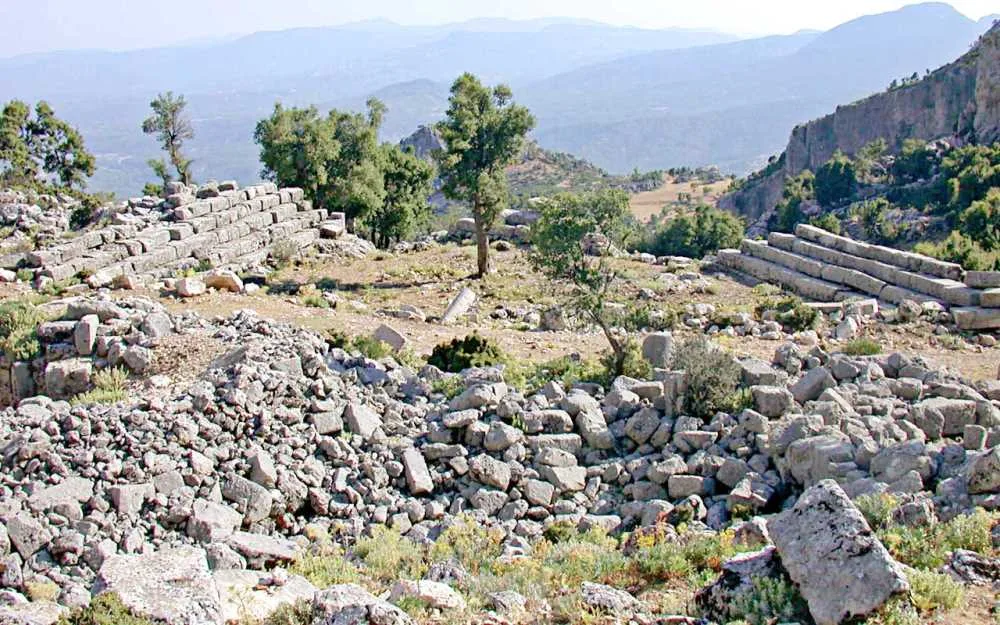
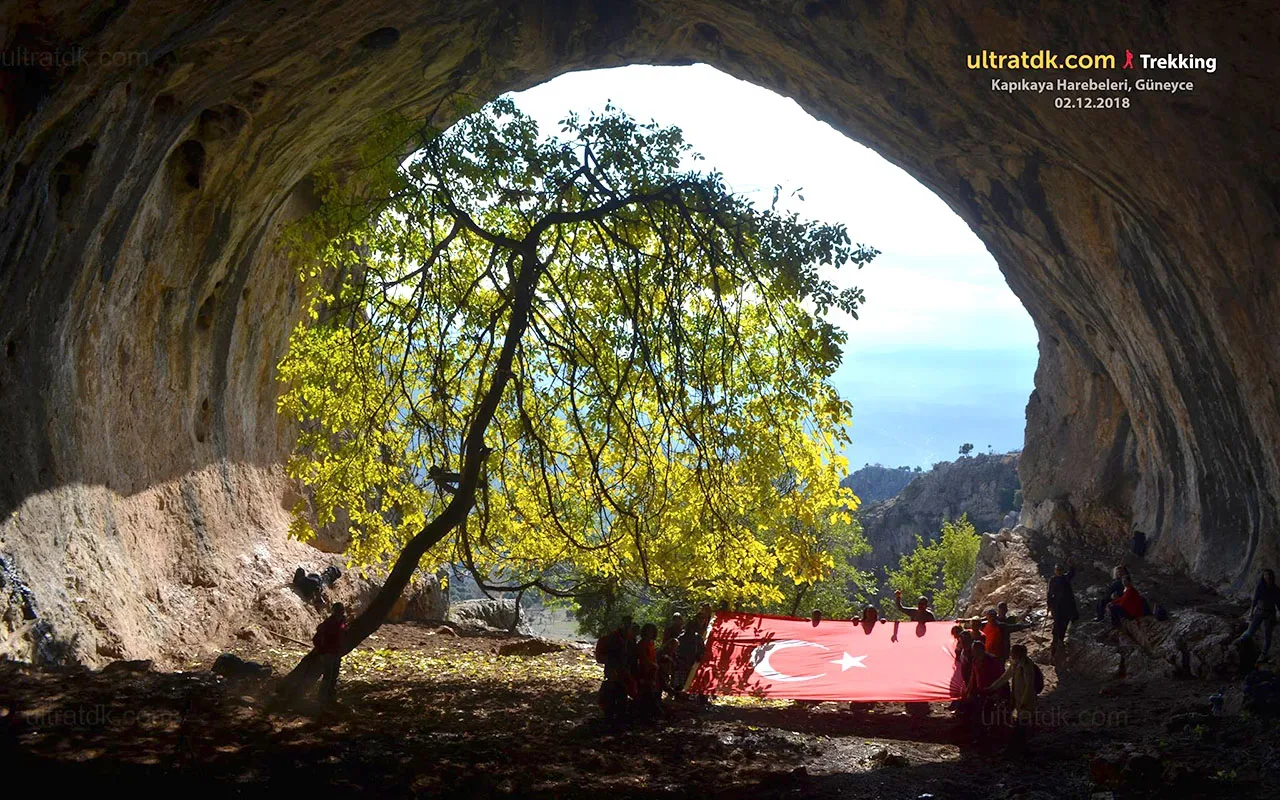
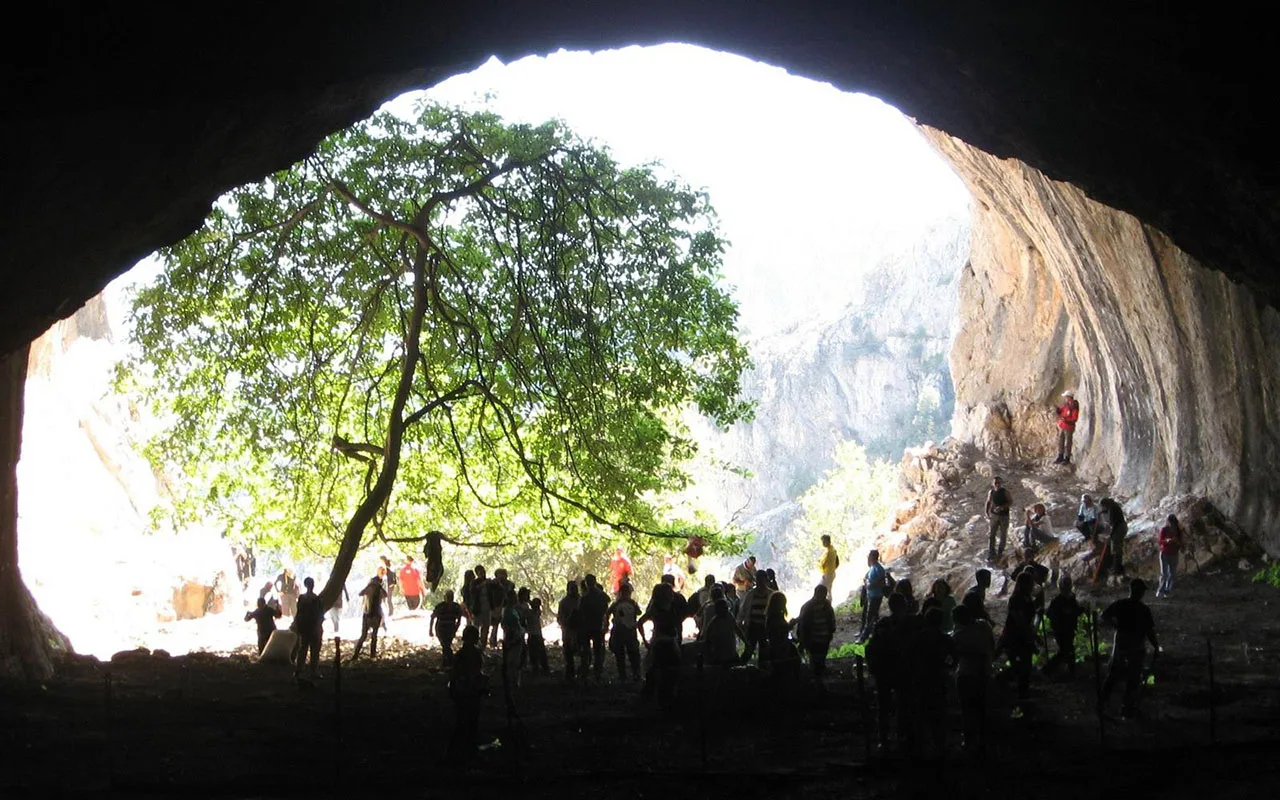
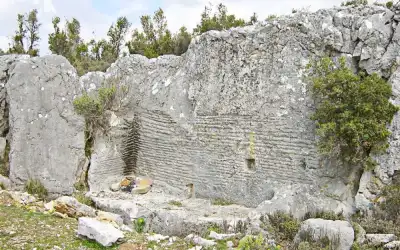
There are structures built on terraces on the eastern and western slopes. In the wide plain to the south, a horseshoe-shaped meeting area with five rows of steps stands out. Immediately to its east stands the largest building of the city, whose function has not been fully deciphered. A temple ruin and a cross-planned chapel are also part of the city's fabric. Some sarcophagi and tomb lids remain in place, along with their figured reliefs; statues have been moved to the Isparta Museum. To the southwest of the city, there is a natural cave reached by ancient steps, likely used as a sacred area.
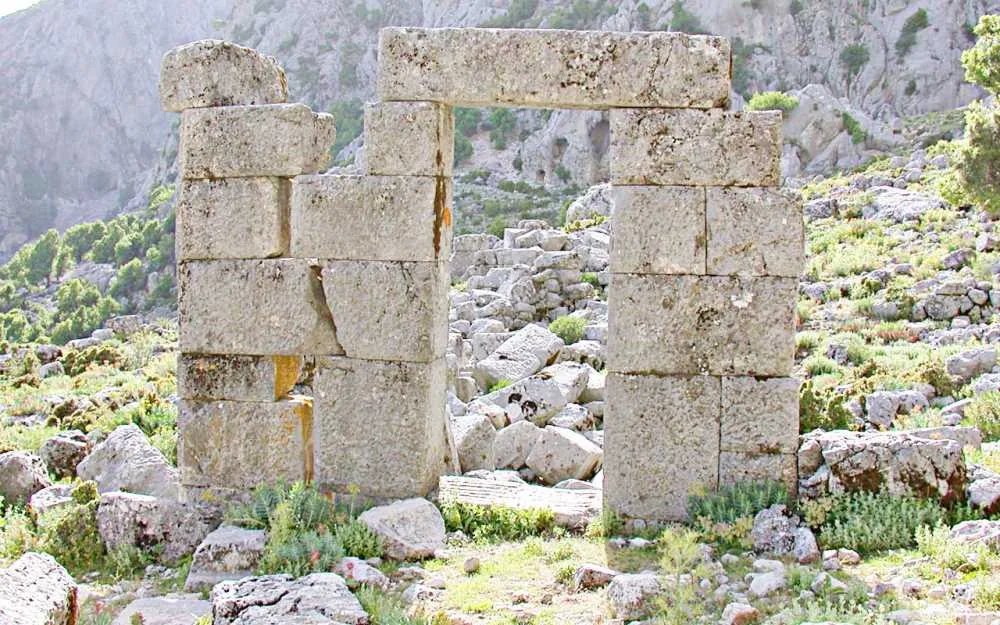
Two things stand out in visitor comments: the difficulty of the road and the fact that the view more than compensates for it. Many are amazed at how the columns and stone masonry were done. Some also highlight the view from the hill before reaching the city. Since the last part of the road is dirt and rocky, visitors recommend going with a high-clearance vehicle.
Guide's Note
When to Visit
Spring and autumn are the most suitable times. You will avoid road problems caused by both heat and rain. Visiting in the midday heat during summer can be tiring, as there are no shaded structures in the area. In winter months and after rain, the dirt road can become muddy and impassable; one visitor recommends not entering the road at all during this period.
How to Get There
There is an asphalt road from Isparta city center to Güneyce village. At the village exit, the road splits with a Kapıkaya sign, and from there it's a dirt road. Google Maps directions can sometimes be misleading, according to visitor comments. It is considered more reliable to go to the village first and then follow the sign. The dirt road is approximately 4-5 km long and passes along a cliff edge in places. Therefore, it is advisable not to enter with low-chassis vehicles.
How Long Does It Take
1-1.5 hours is sufficient to explore the city itself. If you want to go to the cave and back, add another 30-45 minutes. Allocating half a day, including the journey, is a more relaxed plan for exploring without rushing.
City Tour Route
Start by seeing the ossuaries carved into the rocks at the entrance. Move to the plain in the south and explore the horseshoe-shaped meeting area and the large building ruin next to it. Climb to the terrace structures on the eastern and western slopes to see the cross-planned chapel and temple ruin. Finally, head southwest to the cave, which is reached by ancient steps. After the road ends, it takes about 15 minutes on the path to the right.
Things to Consider
There are no toilets in the area. There is drinkable spring water on the left before reaching the city, but you need to bring enough water and food with you. You are asked to take your trash back with you, as there is no trash collection point in the area. Phone reception may weaken along the way, so it is useful to download the route beforehand.
Best Spots for Photos
Thanks to its commanding position on the hill, spots overlooking the Pamphylia Plain are suitable for wide-angle photos. The rock entrances where the ossuaries are carved and the steps of the horseshoe-shaped meeting area also provide interesting shots in terms of texture. The cave entrance and the path leading up to it are another preferred spot.
Rock Climbing and Hiking
The Kapıkaya area is preferred not only for ancient city tours but also for short hiking routes and rock climbing. The paths that continue after the road ends provide access to both the cave and the surrounding rocky areas. If you plan to climb, you need to bring your own equipment, as there are no on-site rental facilities.
This content originates from neresigezilir.com.tr and may not be copied without permission.
Kapıkaya Ruins Videos
Kapıkaya Ruins videos load when you open this section to keep the page fast.
Show videos
FAQ
Updated: