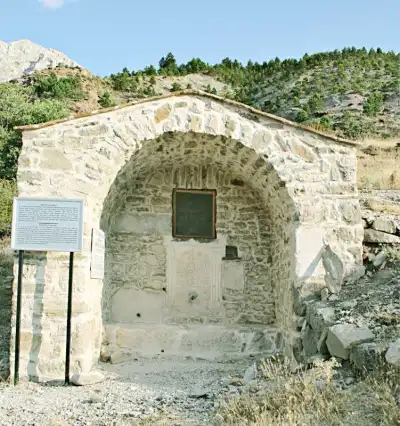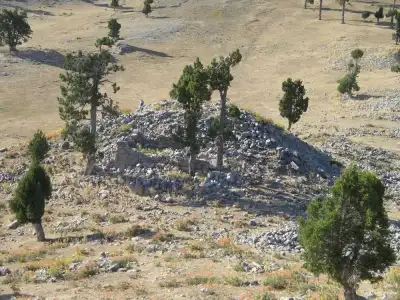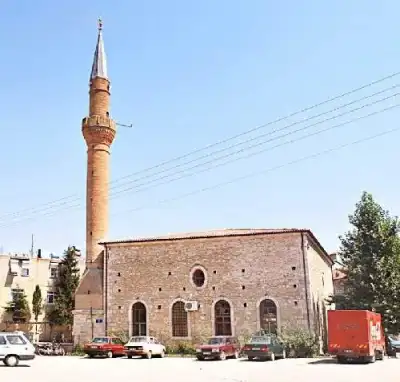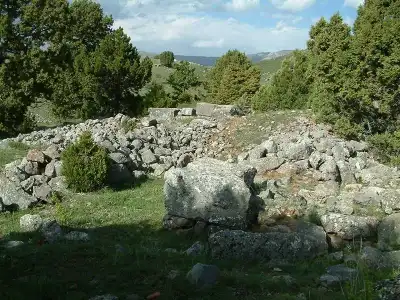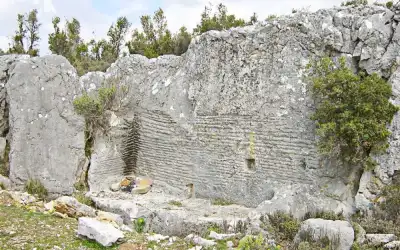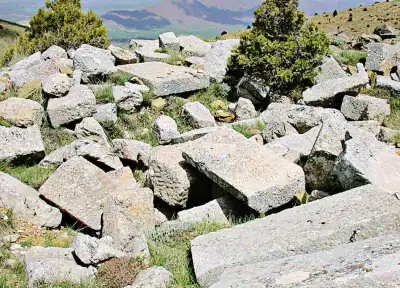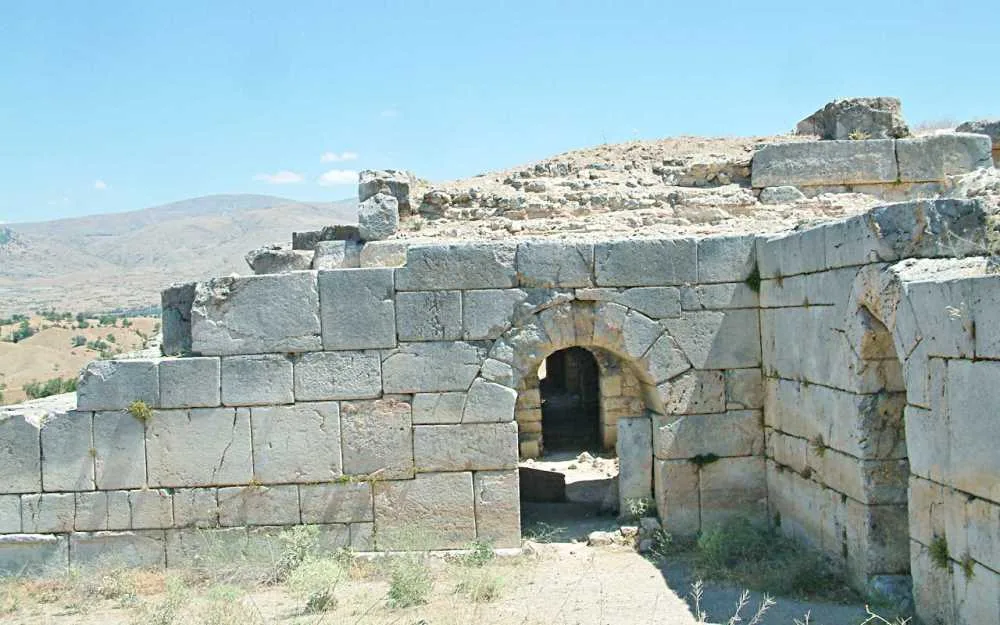
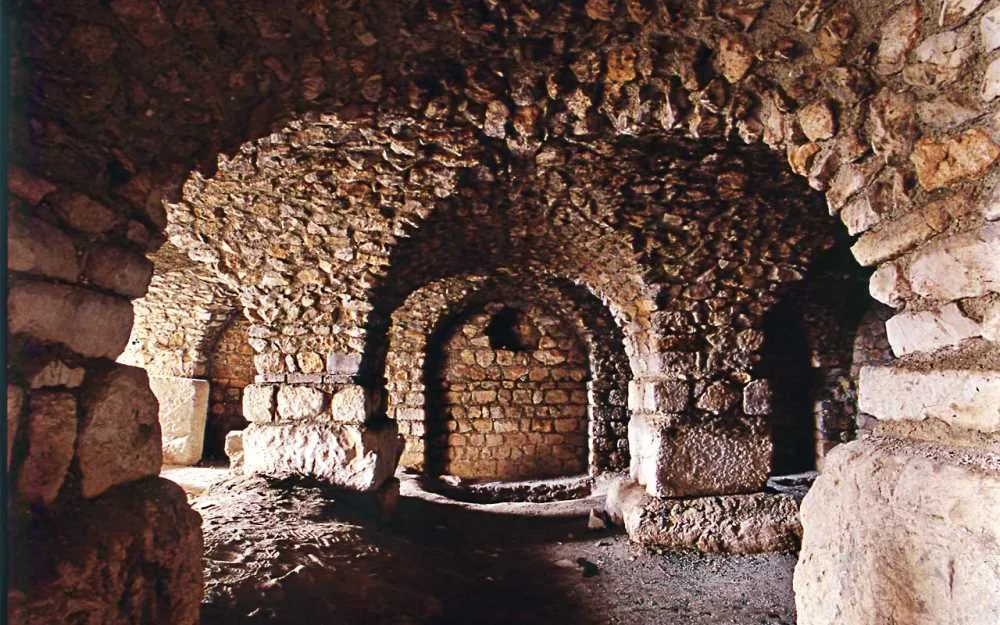
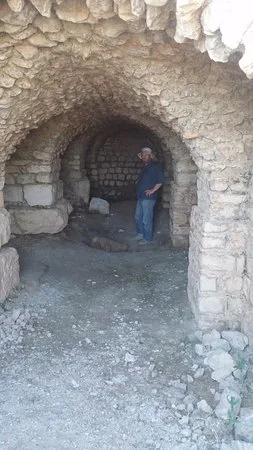
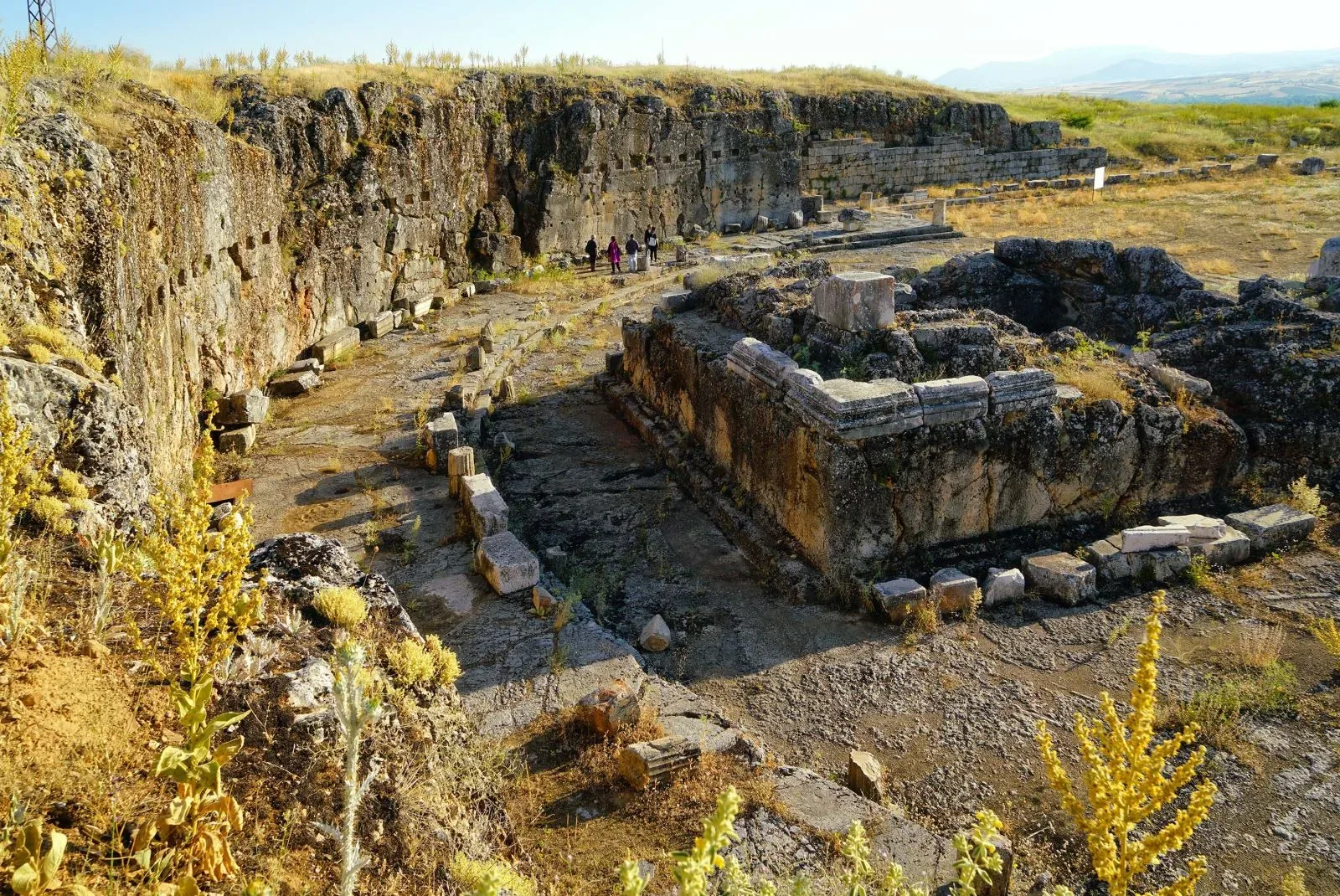
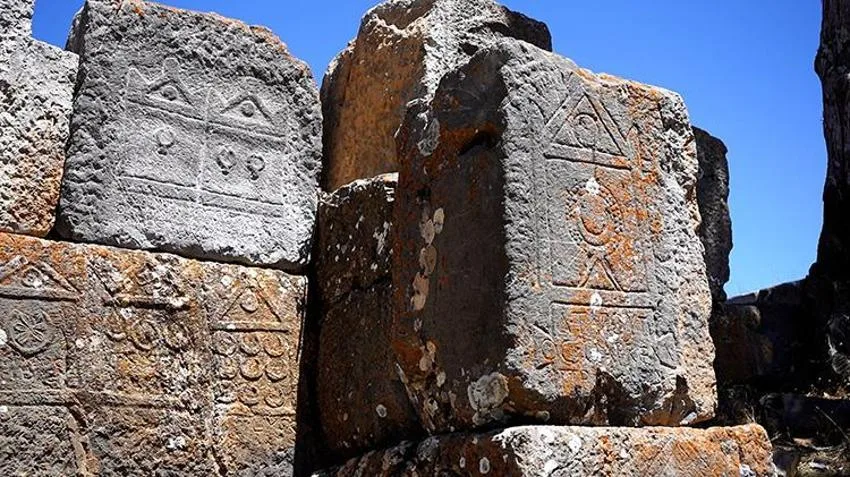
Antiokheia Antik Kenti Roma Hamamı, Isparta'nın Yalvaç ilçesinde Pisidia Antiokheia'nın kuzeybatı köşesinde yer alan, iri taş bloklarla örülmüş duvarları sağlam kalan 7 mekanı bulunan Roma dönemi hamam kalıntısıdır.
This bath stands approximately 150 meters from the monumental fountain building at the northwest corner of the ancient city. Its walls, built with large stone blocks, remain quite well-preserved. Excavations uncovered a total of 7 rooms, revealing the classic Roman bath scheme with the progression from cold to hot areas. Together with the water aqueducts, nympheum, and palestra remains in the northern section of Antiokheia, it forms a unified complex. It is more meaningful to visit the bath as part of this group rather than as a standalone structure.
Pisidia Antiokheia was founded during the Hellenistic period and maintained its importance during the Roman and Byzantine periods. The sermon of Saint Paul here highlights the city's significance in Christian history. The visitor profile includes both ancient history enthusiasts and Orthodox tourists on pilgrimage. Since the bath structure is somewhat distant from the city center's theater and Temple of Augustus, it typically serves as the final stop on tours. Although the walk is somewhat long, it is not tiring as it follows the same route as the northern section's water aqueducts.
Guide's Note
About the Bath Structure
The bath is located at the northwest corner of the ancient city. Its walls are built with large stone blocks and have survived to the present day in quite good condition. During excavations, a total of 7 different rooms were identified; this shows that the typical cold-warm-hot progression of Roman period baths was also applied here. Immediately nearby, approximately 150 meters away, there is a monumental fountain building (nympheum). It makes sense to visit these two structures together.
When to Visit
Summer months in the Lakes Region are quite hot, and shade is almost non-existent in the ancient city area. Spring and autumn months offer a more comfortable visit in terms of both temperature and light. In winter months, Yalvac can experience cold weather and occasional snowfall. Keep in mind that the stones may be wet and slippery in such conditions.
How to Get There
From Isparta center to Yalvac takes approximately 1-1.5 hours by private vehicle. Intercity minibus services are also available, but since the ancient city is 1 km away from the district center, traveling in your own vehicle or continuing by taxi from the district is more practical. Since the ancient city is spread over a large area, the walking distance within it should also be taken into account.
How Much Time to Allocate
2-3 hours is sufficient to visit the entire ancient city, including the theater, Temple of Augustus, Tiberius Square, colonnaded street, and bath. The bath area alone is a 15-20 minute stop. However, when visited together with the water aqueducts and nympheum in the northern section of the city, this time extends a bit.
Tour Route
The main entrance gate is located at the west of the city. After entering, it makes sense to head toward the center and visit the theater, Tiberius Square, Propylon, and Temple of Augustus area, then head north to see the water aqueducts, nympheum, palestra, and bath. The Byzantine church ruins near Tiberius Square and the basilica to the west can also be added to the route.
Things to Keep in Mind
The area is large and has uneven terrain, so comfortable shoes are a must. There is almost no shade, so do not leave without a hat, sunscreen, and plenty of water. Be careful when walking over stones around the ruins. Some areas are partially collapsed.
Photo Spots
The bath's large stone walls and 7-room plan reflect the structure's scale particularly well in wide-angle shots. Framing a shot with the nearby fountain building captures the sense of distance between the two structures. Morning light makes the texture of the stones more distinct.
This content originates from neresigezilir.com.tr and may not be copied without permission.
Antiokheia Ancient City Roman Bath Videos
Antiokheia Ancient City Roman Bath videos load when you open this section to keep the page fast.
Show videos
FAQ

Updated: