Amasya Castle, located at the summit of Mount Harşena, is a historical structure dating from the Pontus Kingdom to the Ottoman period; built of cut stone, its eight defensive levels offer a bird's-eye view of the Yeşilırmak valley and the city's waterfront houses.
Amasya Castle is located on Mount Harşena, which covers the north of the city, and is also known as Harşena Castle. As the most strategic defense point of the region since the Pontus Kingdom period, the structure was repeatedly repaired, expanded, and strengthened during the Roman, Byzantine, and Ottoman periods. Built of cut stone, the castle has eight defensive levels extending from the Yeşilırmak riverbank to the mountain's summit.
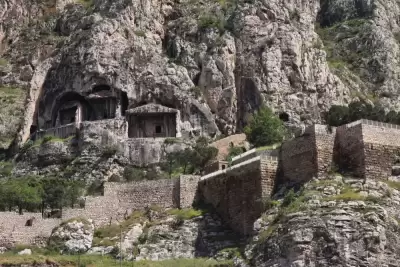
The famous traveler Evliya Çelebi, who visited Amasya in the 17th century, described the castle in detail and spoke of its grandeur at that time. Used as an active defense base until the 18th century, the castle has now been restored and opened to visitors. From the ramparts, it is possible to see the curves of the Yeşilırmak, the King Rock Tombs, and Amasya's waterfront houses all at once.
Guide's Note
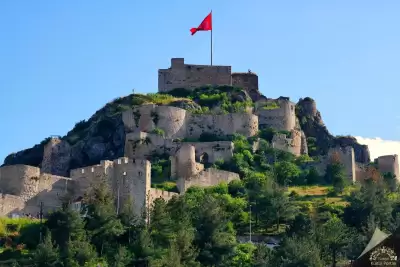
Amasya Castle stands out as a destination for those who want to see the city from a different perspective. The vast majority of visitors speak of the satisfaction of observing Amasya's historical texture and natural environment together when they reach the summit. The view of the city from Harşena's flag tower is a frequently highlighted moment. It is also shared that access is easy and there are benches at the summit to sit and rest.
However, there are some practical points you should know before visiting. The castle is not yet at full capacity due to ongoing restoration work; this has not met some visitors' expectations. It is also important to remember that the closing time is 18:30 and you should allocate at least 30 minutes for the summit.
Recurring complaints and points of attention in the comments can be summarized as follows:
- Entrance fee: The entrance fee, stated as 100 TL per person, was found high by multiple visitors; it was reported that museum cards are not accepted and student discounts are not applied.
- Stair intensity: The ascent to the summit consists of steep and numerous steps. Many comments emphasized that it could be challenging for those with knee problems, the elderly, and pregnant women.
- Content at the top: At least one visitor stated that they did not see a significant difference between the view at the ticket counter and the summit view, and did not find as much as they expected at the top.
- Operating hours: It was shared that the hours are not sufficiently announced, and attention should be paid to this information when planning a visit.
Best Time to Visit
The most suitable period to visit Amasya Castle is during the months of April–May and September–October. In spring, the mountain slopes turn green, and temperatures are ideal for walking. In summer, especially at noon, the temperature on the mountain increases significantly; during this period, preferring the early morning hours provides a more enjoyable experience.
Visits made close to sunset have become a favorite for photography enthusiasts due to the orange light falling on the Yeşilırmak valley. In winter, the castle may sometimes close early or the paths may be slippery; it is advisable to check conditions before going during this period.
How to Get There
Amasya Castle is approximately 2–3 km away from the city center. Those who wish to go by car can pass through the Ferhat Tunnel and follow the Kale Yolu (Castle Road) signs; there is a parking area near the castle. Reaching by taxi from the city center is both practical and economical.
For those who enjoy walking, there are hiking trails starting from the mountain slope; however, since these paths are steep and uneven, comfortable sports shoes are recommended. After driving up the castle road, walking is inevitable to explore inside the ramparts.
Suggested Itinerary: Discover Amasya in One Day
You can combine Amasya Castle with other historical sites in the city to create an efficient one-day tour. In the early morning, visit the King Rock Tombs; the view of the castle from this point is quite impressive. Then, ascend to the castle to observe the Yeşilırmak valley and the entire city from a bird's-eye view.
In the afternoon, descend and visit the Yalıboyu Houses, Gümüşlü Mosque, and the Amasya Archaeology Museum. Towards evening, a boat tour on the Yeşilırmak river would be a beautiful way to conclude the day. If you time your castle visit with sunset, you will experience the most rewarding views and lighting.
Photo Spots
Amasya Castle, with its majestic silhouette visible from every point of the city, is a photographic subject in itself. Within the castle, a few special spots stand out: The top of the main rampart walls is perfect for framing the curves of the Yeşilırmak and the waterfront houses together.
The bastions facing the King Rock Tombs offer captivating shots, especially in the morning with the valley shrouded in mist. At sunset, photos taken from the opposite side of the castle, i.e., from the Yeşilırmak riverbank, capture the ramparts bathed in golden light. A wide-angle lens or a phone camera's panorama mode is ideal for these views.
Things to Know Before Visiting
Since the path to the castle is steep and includes rocky terrain in some sections, it is important to wear comfortable, non-slip shoes. Wheelchair and stroller use is not suitable due to the castle's topography. As mentioned in Tripadvisor reviews, it should be noted that it can be a challenging walk for elderly visitors.
It is recommended to bring enough water with you; there may not be sales points inside the castle. Since the entrance fee is considered under museum status, Museum Card holders may benefit from discounted or free entry; however, it is best to confirm the current application on-site. Remember that visiting hours may vary by season.
What to Eat Nearby
You can discover Amasya's unique flavors in the city center after descending from the castle. The Amasya apple has been a symbol of these lands for centuries; you must taste it fresh or dried. Keşkek and toyga soup, served in local taverns and restaurants, are also regional specialties.
Having lunch at restaurants and cafes along the Yeşilırmak river with a river view has become an indispensable part of an Amasya visit. Small artisan restaurants near the city's historical bazaar offer homemade dishes at affordable prices.
History of the Castle
The foundations of Amasya Castle date back to the Pontus Kingdom period, approximately the 3rd century BC. For Amasya, the capital of the Pontus kings, the castle held critical importance for both administration and defense. During the Roman and then Byzantine rule, the structure was repaired numerous times, with each period leaving its mark.
The castle maintained its strategic importance during the Ottoman period and was used as an active defense base until the 18th century. With its cut-stone walls and eight defensive levels extending from the Yeşilırmak riverbank to the top of the mountain, the structure showcases the engineering understanding of its era. Today, with its restored sections open to visitors, the castle continues to be Amasya's undisputed most symbolic structure.
This content originates from neresigezilir.com.tr and may not be copied without permission.
Amasya Castle Videos
Amasya Castle videos load when you open this section to keep the page fast.
Show videos
FAQ
Updated: