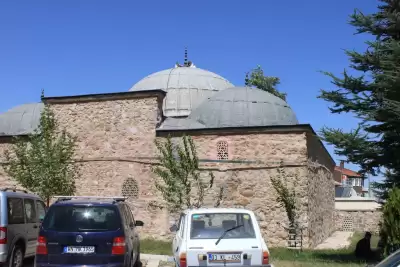
The Sultan Divani Mevlevihanesi is a 13th-century Mevlevi lodge museum located in the center of Afyonkarahisar; it served as the second most important center of Mevlevi culture in Anatolia after Konya.
The Sultan Divani Mevlevihanesi, deeply ingrained in the historical fabric of Afyonkarahisar, holds a special place as one of the first Mevlevi lodges established in Anatolia. Dating back to the 13th century, the era of Mevlana Celaleddin Rumi, this structure became the second most important center of the Mevlevi world after Konya, thanks to the activities of Sultan Divani, Mevlana's seventh-generation grandson. Sultan Divani is estimated to have lived between 1440 and 1550, and under his leadership, the Mevlevi lodge functioned as an asitane (main lodge) for centuries.
Today, the structure, converted into a museum, houses the tomb of Sultan Divani and his relatives, a library, a mosque, and sections displaying artifacts related to Mevlevi culture. Rare examples of traditional handicrafts such as dival işi (a type of embroidery) can also be seen here, offering a profound experience for every visitor interested in history and a spiritual atmosphere.
Guide's Note
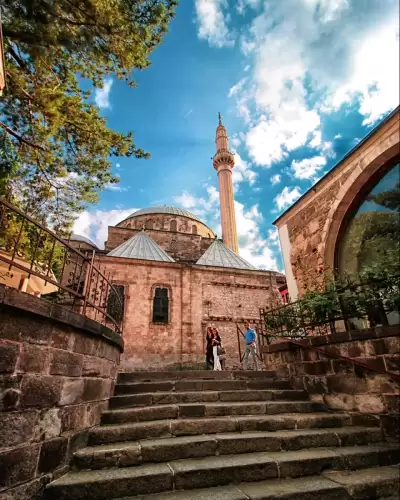
The Sultan Divani Mevlevihanesi possesses a strong spiritual atmosphere that the vast majority of visitors agree upon. Recognized as the second most important center in Mevlevi history after the main dervish lodge in Konya, this structure, with its roots extending back to the 13th century, is one of Afyonkarahisar's prominent cultural heritage sites. Visitors particularly emphasize that researching the place beforehand makes the experience much more meaningful; reading about Sultan Divani's life and the historical importance of Mevlevism here can help you better contextualize what you see.
Within the complex, the museum section stands out as the main area of interest for visitors. Wax figures depicting the daily life of dervishes, calligraphic panels, manuscripts, and Sufi objects concretely convey Mevlevi culture. In the tomb section, you can see the sarcophagi of Sultan Divani and other important Mevlevi elders. Practical information shared by visitors includes that the place is kept clean and well-maintained, admission is free, and there is a clean restroom.
There are a few points to consider before your visit:
- It is recommended to check visiting hours before going, as they may vary.
- Some sections, such as the dervish cells, may be closed on public holidays and religious festivals.
- Since the place is located on side streets, parking a car directly in front of the entrance can be difficult; it may be necessary to look for parking nearby. It is also stated that coming on foot is more practical.
Best Time to Visit
It is possible to visit the Sultan Divani Mevlevihanesi at any time of the year; however, spring and autumn months offer the most comfortable period in terms of both weather conditions and the city's general tourism density. Arriving early in the morning, right when the museum opens, provides an experience where you can fully feel the quiet and spiritual atmosphere, away from the crowds. In summer, although the interior spaces of the building remain cool during midday, water and sun protection should be kept ready, considering the outside temperature.
How to Get There?
The Mevlevi lodge is located in the historical fabric of Afyonkarahisar city center, on Mevlana Mahallesi Türbe Caddesi. Its proximity to the city center makes transportation quite easy. From Afyonkarahisar bus terminal or any point in the city, you can reach the center by municipal buses or minibuses, and then walk to the Mevlevi lodge. For those coming by private car, street parking and parking in nearby streets are available, but finding a parking spot in central historical areas can sometimes be difficult; therefore, preferring early morning hours provides an advantage.
History and Importance
The origins of the Sultan Divani Mevlevihanesi date back to the 13th century and it is considered among the first Mevlevi lodges established in Anatolia during the era of Mevlana Celaleddin Rumi. The structure gained its true importance when Sultan Divani, Mevlana's seventh-generation grandson, transformed it into an asitane. Asitanes were the highest-level dervish lodges of the Mevlevi order, serving as centers where dervishes were trained, Sema ceremonies were performed, and Sufi knowledge was transmitted. With this status, the Afyonkarahisar Mevlevihanesi went down in history as the second most important center of the Mevlevi world after Konya.
Photography Spots
The Mevlevi lodge, with its historical architecture and spiritual atmosphere, offers many different composition possibilities for photography enthusiasts. The main entrance and courtyard of the building are among the most preferred shooting spots, reflecting the characteristic elements of traditional Ottoman-Mevlevi architecture. The tomb section, especially in the morning hours when light filters into the interior, creates a suitable environment for impressive photographs. The dival işi covers and Mevlevi objects inside the museum also provide rich content for detail photography. During your visit, it is important to respect the privacy of other visitors and follow the guidance of museum staff regarding photography in the tomb area.
What to Eat Nearby?
Afyonkarahisar is also one of Turkey's prominent cities for its culinary culture. After visiting the Mevlevi lodge, Afyon sucuk (spicy sausage) and kavurma (sautéed meat) are among the region's unique flavors available in restaurants in the city center. Afyon's world-famous kaymak (clotted cream) is another local delicacy you must try; you can take a pleasant break with fresh kaymak and honey at breakfast salons and patisseries in the city center. Poppy seed paste and poppy seed desserts are also indispensable elements of Afyonkarahisar cuisine.
Things to Know Before Visiting
The Sultan Divani Mevlevihanesi is both a museum and a tomb area of spiritual importance; therefore, it is necessary to adopt a quiet and respectful attitude during your visit. You may be asked to cover your head and remove your shoes when entering the tomb section; simply follow the directions at the museum entrance. Considering the historical nature of the building and its floor structure, the use of wheelchairs or strollers may be difficult in the interior spaces. It is recommended to confirm the museum's current opening hours and possible closing days from official sources before your visit.
Afyonkarahisar Itinerary Suggestion
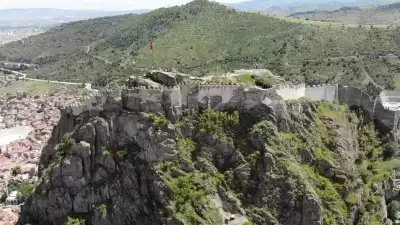
You can spend a full day in Afyonkarahisar by combining the Sultan Divani Mevlevihanesi with other historical sites. Start with the Mevlevi lodge in the early morning, then climb up to Afyonkarahisar Castle, which is within walking distance; the panoramic view of the city from the castle is unique. After completing lunch with local delicacies in the city center, you can visit the Afyonkarahisar Archaeology Museum. Before sunset, take a short walk in the historical bazaar area to witness the daily life of Afyon. This itinerary allows you to experience both the spiritual and historical layers of the city in a single day.
This content originates from neresigezilir.com.tr and may not be copied without permission.
Sultan Divani Mevlevi Lodge Videos
Sultan Divani Mevlevi Lodge videos load when you open this section to keep the page fast.
Show videos
FAQ

Updated: