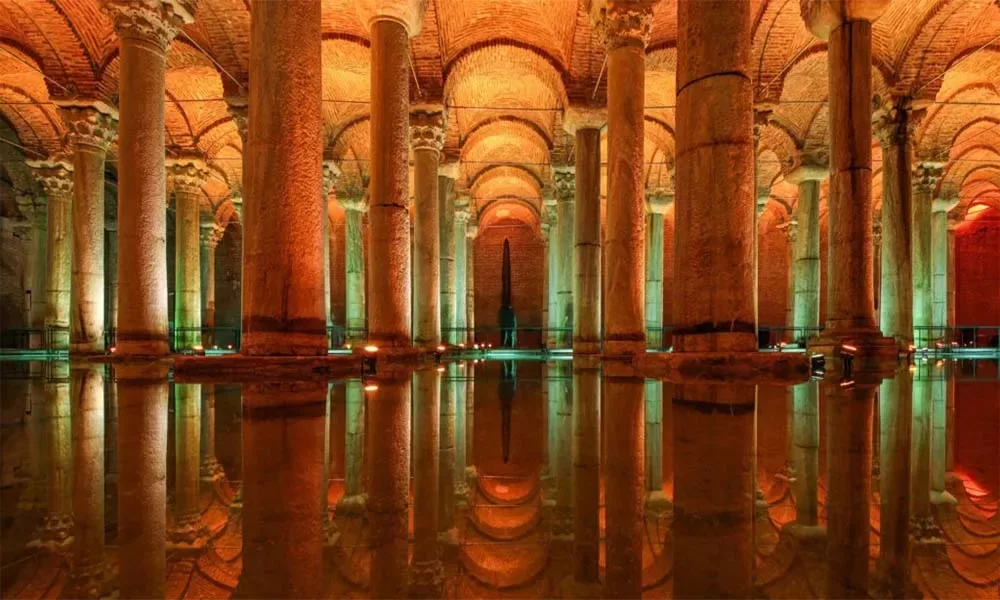
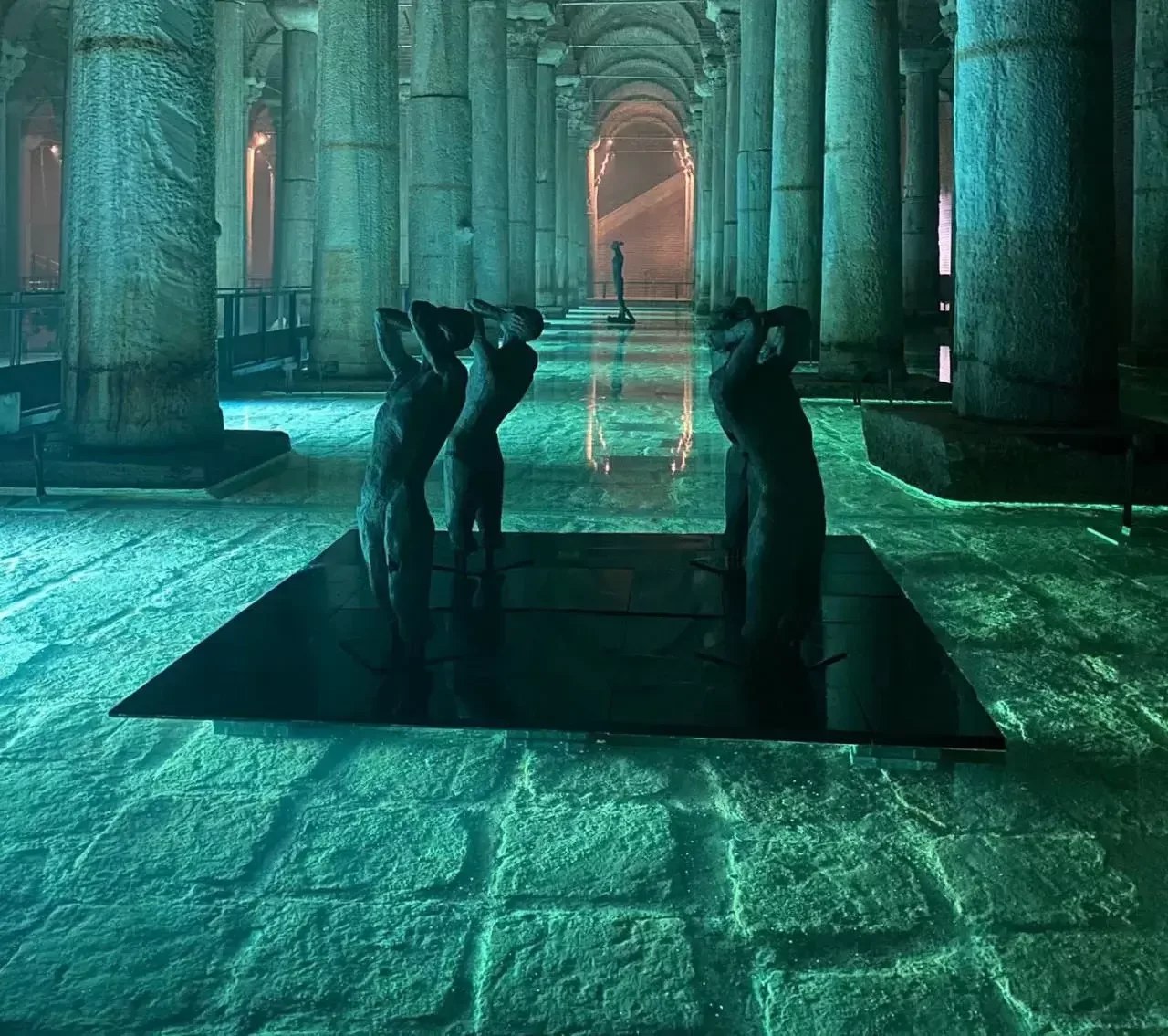
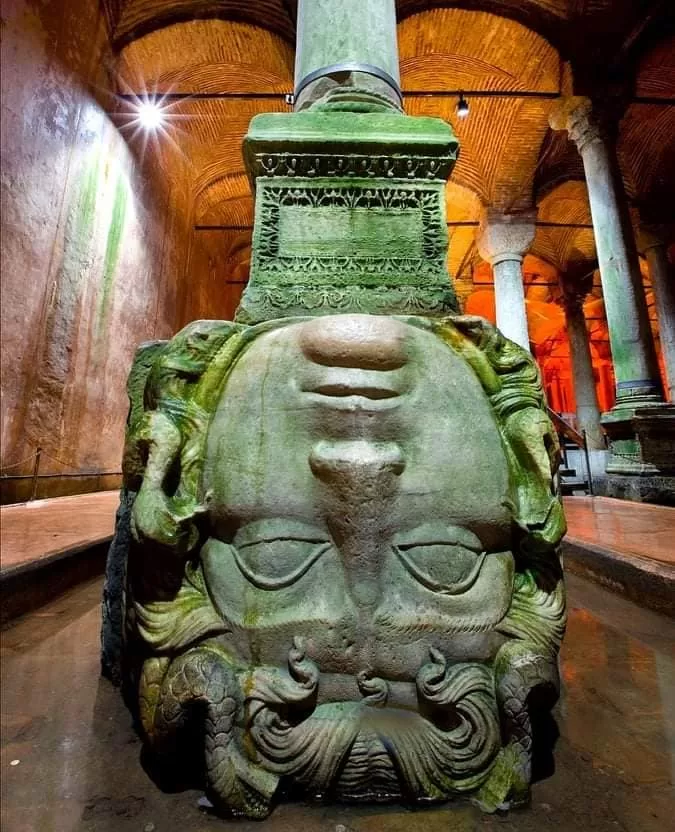
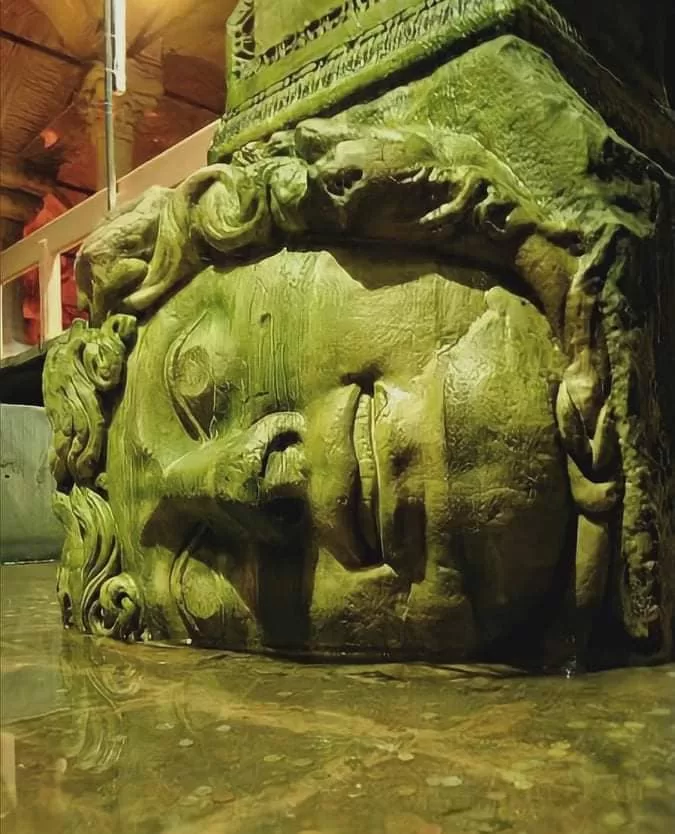
The Basilica Cistern is a 6th-century Byzantine water reservoir located in Sultanahmet. Built during the reign of Emperor Justinian I, the structure is known for its 336 marble columns and two Medusa heads; it has a capacity of approximately 80,000 cubic meters of water.
The Basilica Cistern is one of the most impressive structures hidden underground in Istanbul. Built in the 6th century during the reign of Byzantine Emperor Justinian I, this massive water reservoir was constructed to meet the city's water needs; it can hold approximately 80,000 cubic meters of water. Spanning an area of 9,800 square meters, the cistern is accessed by 52 stone steps.
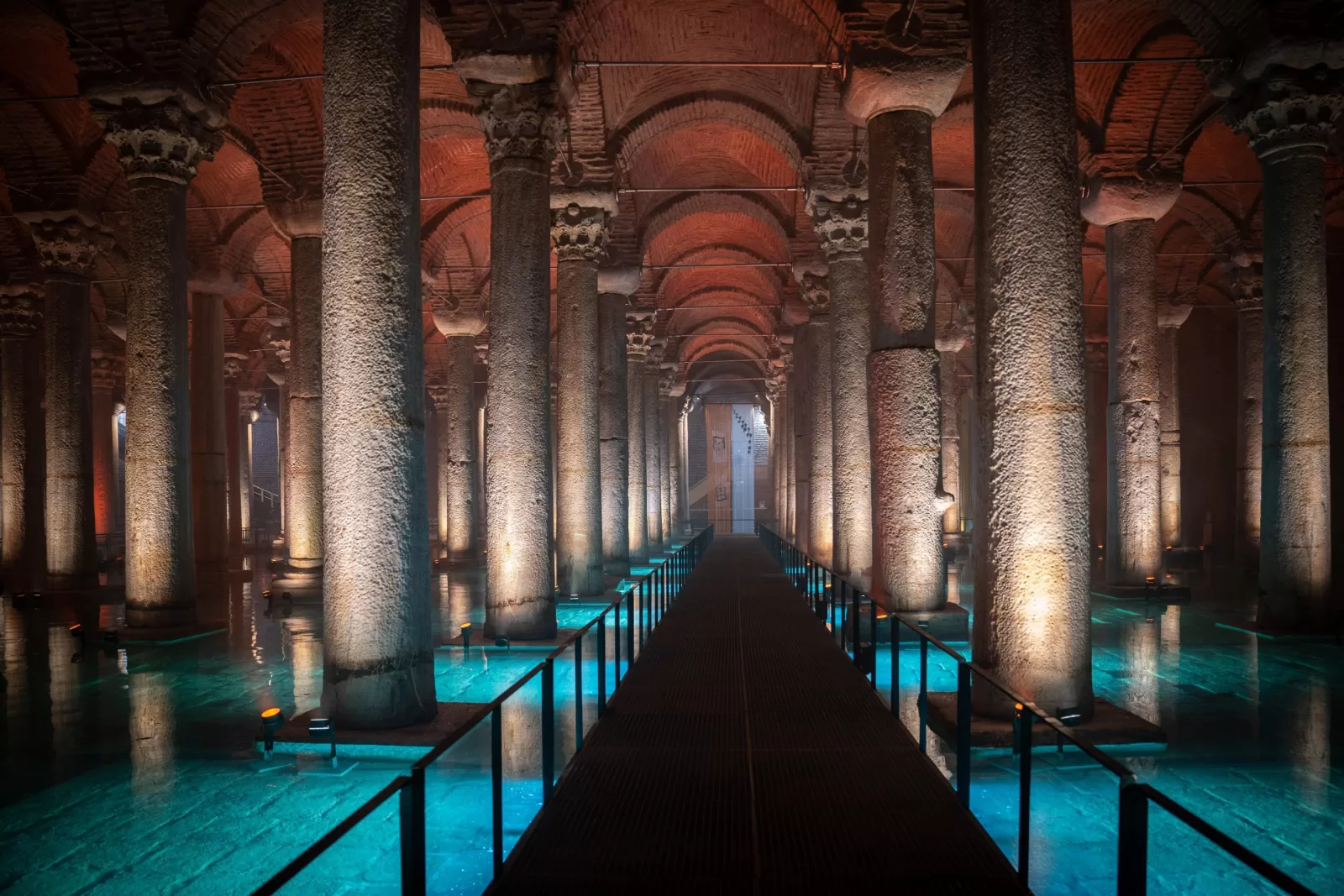
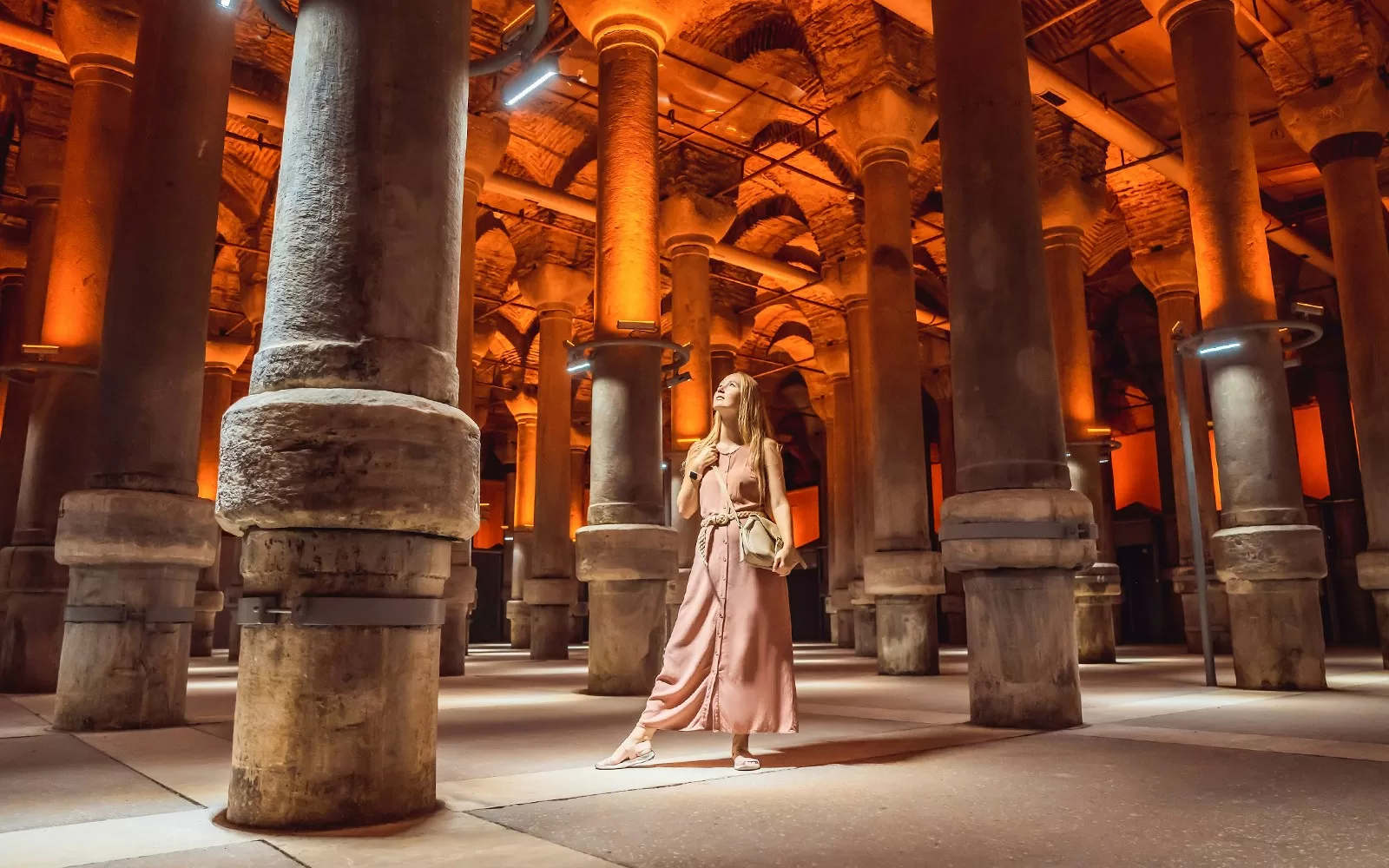
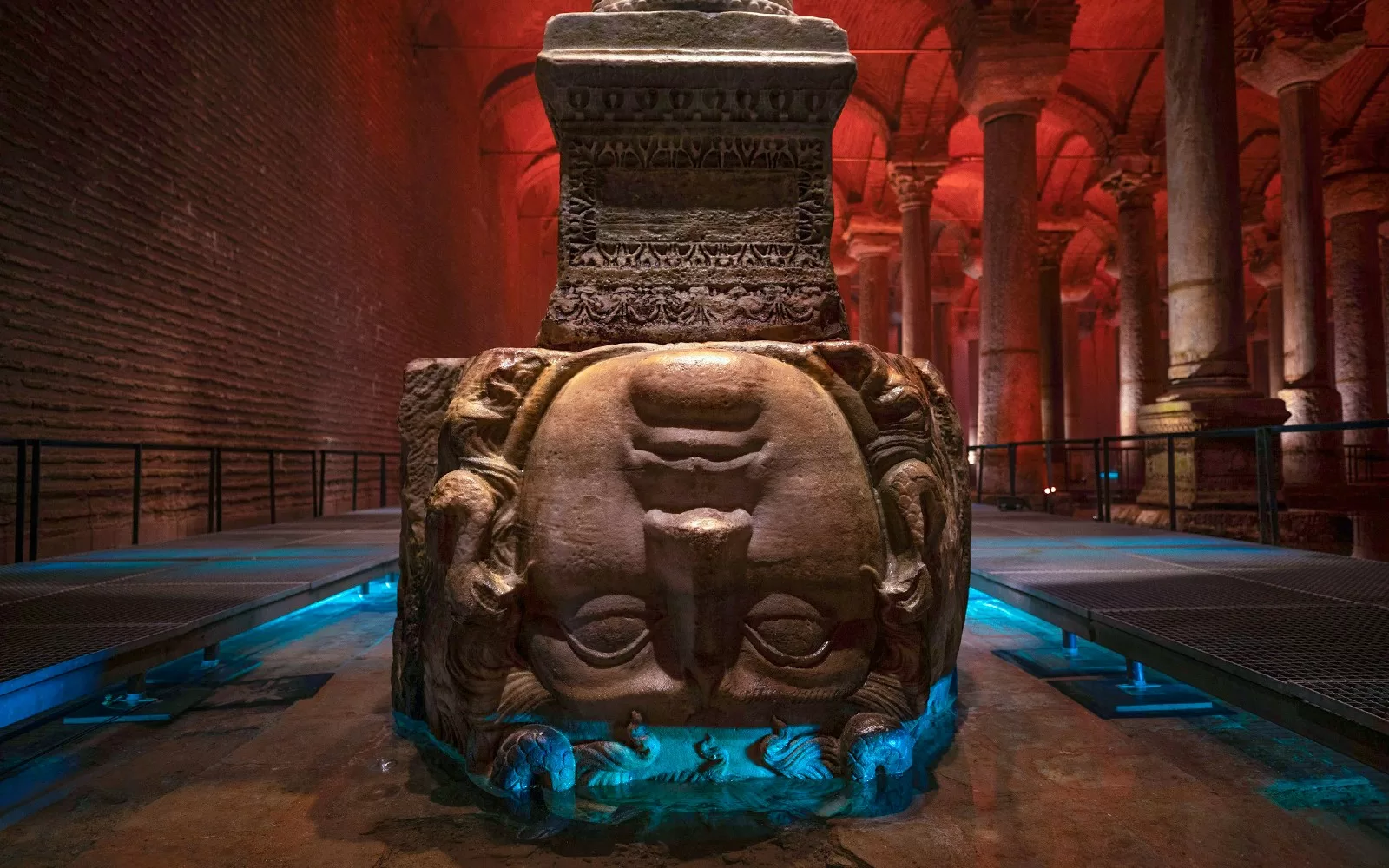
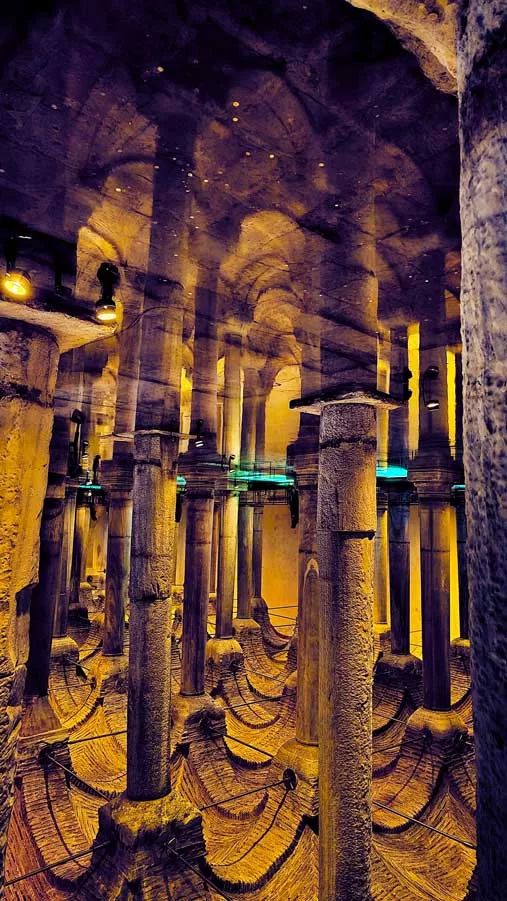
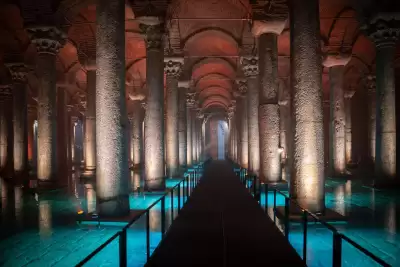
The sight that greets you upon entering is truly impressive: 336 marble columns rise in the dim light, reflecting on the shallow water surface beneath them. In the most famous corner of the cistern, there are two Medusa heads; one placed sideways, the other upside down. The origin of these heads and why they were positioned in this manner are still subjects of debate. The structure has also left its mark in the world of cinema; it has been featured in many productions, from classic Cüneyt Arkın films to James Bond.
Related discoveries: Places to visit in Istanbul, Historical Sites, Historical sites in Istanbul, Bebek Beach.
Guide's Note
What is the Basilica Cistern?
The Basilica Cistern is an underground water reservoir located in the Sultanahmet district of Istanbul, directly opposite Hagia Sophia. It is believed to have been built in 532 AD by Justinian I during the Byzantine Empire. Constructed to supply the city with water transported from the Belgrade Forest, its capacity is approximately 80,000 cubic meters. Although its active use decreased during the Ottoman period, it was not entirely abandoned; it was restored and opened to visitors in 1987.
The cistern's name, Yerebatan, means "sinking into the ground" or buried underground in Turkish. In Western sources, it is also referred to as the Basilica Cistern; this name comes from the basilica that once stood above it.
When to Visit?
The Basilica Cistern is open every day of the week from 09:00 to 22:00. During the summer months, especially in July-August, visitor density can reach significant levels around noon. If you prefer to visit between 09:00-11:00 AM or after 19:00 in the evening during this period, you will encounter fewer crowds and can better experience the cistern's dim atmosphere.
Autumn and spring months are the most balanced periods in terms of both weather conditions and crowd levels. Visitor numbers significantly decrease during winter months. Since the temperature inside the cistern remains around 13-15 degrees Celsius throughout the year, you will find a comfortable environment even if it's cold outside.
How to Get There?
The most practical way to reach the Basilica Cistern is by using Istanbul's T1 tram line. You can get off at the Sultanahmet stop and walk for approximately 3-4 minutes to reach the cistern. It is also possible to walk from Sirkeci and Eminönü; the distance does not exceed 10-15 minutes.
If you plan to come by car, finding parking around Sultanahmet is quite difficult, and the surrounding roads are narrow. Public transport is a much more sensible choice. There are also many bus lines that go to Sultanahmet from different parts of the European side.
Photo Spots
The cistern is an extremely interesting place for taking photos. The dim, orange-yellow lighting inside, the reflection of the columns on the water surface, and the general atmosphere provide an ideal environment for long exposure experiments.
The corner with the Medusa heads is the most preferred spot; however, it is quite dark. Using your phone's flashlight or a lens that performs well in low light will improve image quality. The rows of columns photographed from the wooden walking platforms are also perfect for a classic Basilica Cistern shot. It is recommended to inquire about tripod use at the entrance.
What to Eat Nearby?
Around the cistern, along Sultanahmet Square and Divan Yolu, dozens of restaurants and cafes are lined up. Due to the tourist density, prices can be higher than the Istanbul average; it's a good idea to check the menu beforehand.
For those looking for traditional Turkish cuisine, walking towards the back streets of Sultanahmet offers more authentic and affordable options. If you head towards Eminönü, you can find fish sandwiches (balık ekmek), stuffed mussels (midye dolma), and various street foods.
Suggested Itinerary: Full Day in Sultanahmet
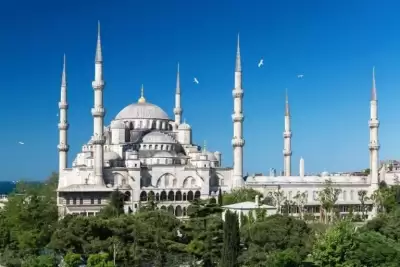
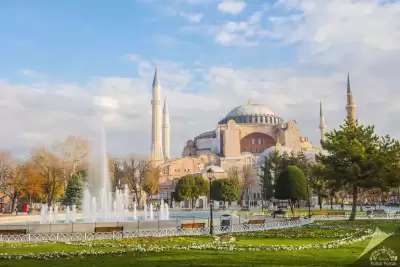
The Basilica Cistern can be easily combined with other major structures in Sultanahmet. After visiting the cistern in the morning, you can walk to Hagia Sophia, then visit Topkapi Palace. After lunch, the Sultanahmet Mosque (Blue Mosque) and Hippodrome Square complete the route.
Since all these points are within walking distance of each other, you can spend a full day in Sultanahmet without using a car. Keep in mind that Museum Card holders may get advantages at some venues.
Things to Pay Attention To
The humidity inside the cistern is high, and the floor can sometimes be slippery; choose flat-soled, non-slip shoes. Walking on wooden platforms with high heels can be both difficult and dangerous.
When taking photos, be sure to leave space for other visitors; the Medusa corner, in particular, is narrow and crowded. Cell phone signal can be weak in certain parts of the cistern; it is practical to complete important communications before entering.
FAQ
Updated: