The Ankara Roman Bath is an open-air museum in the city center, built in the 3rd century AD during Emperor Caracalla's reign. The 80x130 meter stone and brick structure bears traces of Phrygian, Roman, and Byzantine civilizations.
Standing on a plateau on the west side of Çankırı Street, just a few hundred meters from Ulus in Ankara's Altındağ district, the Ankara Roman Bath and Ancient City was built in the 3rd century AD during the reign of Roman Emperor Caracalla. Also known as the Caracalla Bath, the structure covers a large area of 80x130 meters, showcasing the engineering understanding of its era with its stone and brick masonry. A large courtyard surrounded by the remains of a colonnaded portico offers visitors a powerful atmosphere of daily life in an ancient Roman city.
The area is not merely a bath ruin; it also contains traces of Roman-era settlements, column drums, and various architectural pieces. Today, serving as an open-air museum, this archaeological site is one of the rare places in Ankara that allows visitors to feel the city's layered history—from Phrygian to Roman, Byzantine to Ottoman—in a single location. Müzekart holders can enter for free.
Related discoveries: Places to visit in Ankara, Historical Places, Historical places in Ankara, Merik Mansion (Golden Kiosk).
Guide's Note

Located right in the center of Ankara, next to modern buildings, the Roman Bath welcomes visitors as an open-air museum dating back to the 3rd century AD. The structure, where traces of the caldarium, tepidarium, and frigidarium sections can still be distinguished, spreads over a wider area than expected. The vast majority of visitors particularly emphasize the strange but pleasant feeling of encountering such a deeply rooted historical site amidst the city's hustle and bustle. Roman-era sarcophagi and columns can also be examined at the entrance.
The area can be visited with a Müzekart and is easily accessible. Thanks to its quiet atmosphere, it stands out as a suitable stop not only for history enthusiasts but also for those looking for a peaceful walk in the city. Visiting the nearby Museum of Anatolian Civilizations after the visit is also a frequently recommended route.
However, a few visitors pointed out notable issues:
- Insufficient information is provided about the inscriptions on the tombstones (including Latin and Armenian ones) displayed at the entrance; labels are often vague, such as "from the Roman period."
- The area suffers from weeds and neglect; personnel have been observed leaving their tools on artifacts while cleaning.
- There are also complaints about vehicles being parked within the museum area.
- Since it is an open-air area, it is recommended to bring water with you.
Best Time to Visit
Since the Ankara Roman Bath is an open-air museum, the choice of season directly affects the visitor experience. April, May, September, and October are the most suitable periods to comfortably explore the area, as they carry neither scorching heat nor the risk of cold, rainy weather. During these months, natural light is also very favorable for photography.
Due to Ankara's dry and hot climate in July and August, the area can be quite tiring during midday; coming between 08:30-10:30 in the morning during this period ensures a cool and calm visit. While the area is open to visitors in winter, cold and windy weather conditions should be taken into consideration.
How to Get There
The Ankara Roman Bath is easily accessible by public transport due to its central location. You can reach it by taking the Ankara Metro M1 line to the ASKİ stop and walking for about 5-7 minutes along Çankırı Street. It is also possible to walk from Ulus Square; the distance is approximately 400 meters.
Many bus lines from different parts of the city also stop along the Ulus route. Those coming by private car can enter Çankırı Street from Ulus Junction or Yıldırım Beyazıt direction; however, finding parking in the area can be difficult, so public transport is definitely recommended. The museum's address is registered as Çankırı Caddesi No:43.
Historical and Architectural Significance
The Ankara Roman Bath was built in the 3rd century AD during the reign of Emperor Caracalla. Located in Ancyra (present-day Ankara), one of the important cities of the Roman Empire in Anatolia, this structure is concrete evidence of the central role baths played in the social life of the period.
The structure spreads over a very large area, measuring 80x130 meters; its walls built with stone and brick, column drums, and portico remains have survived to the present day. The uniqueness of the area is not limited to Roman architecture: excavations have also revealed traces from the Phrygian and Byzantine periods, thus transforming the site into a window showcasing Ankara's thousands of years of historical layers. It is estimated that Ancyra's population reached approximately one hundred thousand people during the Roman period; this large-scale bath structure reflects the city's size and importance at that time.
Photo Spots
The open-air museum format transforms the area into an extremely free space for photography enthusiasts. Column drums and portico remains create striking compositions, especially with soft light in the early morning hours. The stone and brick wall fragments spread over a large area are ideal for perspective photos that give a sense of depth.
The area's location on a 2.5-meter-high plateau allows you to capture interesting urban archaeology shots with the surrounding streets and Çankırı Street. The light before sunset, known as the golden hour, creates a warm tone on the ruins, allowing you to capture dramatic frames. A wide-angle lens will be the most functional option to capture the entire area in a single shot.
What to Eat Nearby
Since the Ankara Roman Bath is located right in the heart of Ulus, there are many food and drink options around it to suit every budget. Ulus Square and its surroundings are among the liveliest districts for traditional Ankara cuisine; döner, kokoreç, and various pide varieties are indispensable in this region.
Along Çankırı Street and in the narrow streets around Hacı Bayram Mosque, local eateries serve home-cooked style set menus at lunchtime. If you combine your visit with Hacı Bayram Mosque and the Temple of Augustus, you will also have the opportunity to take a break at small cafes and tea gardens that blend in with this historical texture.
Suggested Route: Ulus Historical Texture Tour
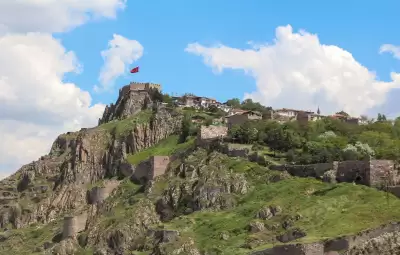
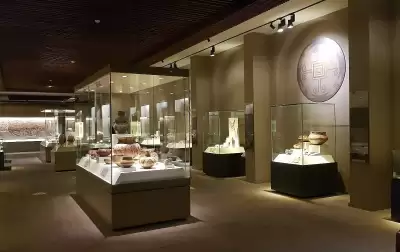
Visiting the Ankara Roman Bath not alone, but combined with the surrounding historical sites, enriches the experience significantly. The suggested route can be structured as follows: Start your day with Ankara Castle and the Inner Citadel, then visit the Museum of Anatolian Civilizations at the foot of the castle. In the afternoon, after exploring the ruins of Hacı Bayram Mosque and the Temple of Augustus, walk to the Roman Bath via Çankırı Street.
This route can be completed in approximately half a day to a full day; you can adjust your plan according to the time you allocate to the Museum of Anatolian Civilizations. Since all these points are within walking distance of each other, there is no need to use a car. For those who want to explore the historical texture of Ulus, this route offers Ankara's most authentic face.
Things to Know Before Visiting
Since the area is entirely open-air, it is important to wear comfortable walking shoes; the ground consists of uneven stone and dirt surfaces. Wheelchair or stroller use is quite difficult due to the structure of the area, and it is advisable to be prepared for this in advance.
Müzekart holders can enter the area for free; if you plan to visit multiple museums and archaeological sites in Turkey, obtaining a Müzekart provides significant savings. Since visiting hours can vary by season, it is advisable to check official sources before coming. As shaded areas are limited, remember to bring water and sunscreen in the summer months.
Ankara Roman Bath and Ancient City Videos
Ankara Roman Bath and Ancient City videos load when you open this section to keep the page fast.
Show videos
FAQ

Updated: