Hacı Bayram-ı Velî Mosque is a historical mosque in Ankara's Ulus district, standing since the 15th century next to the Temple of Augustus; it features stone-based brick walls and a tiled roof, and entry is free.
Hacı Bayram-ı Velî Mosque stands at the foot of Ankara Castle, within the historical fabric of Ulus. Built in the 15th century, it is a structure with a stone base and brick walls. With its tiled roof, it still remains a piece from its own time amidst the surrounding modern buildings. Hacı Bayram Veli, after whom the mosque is named, was the founder of the Bayramiyye order. His tomb is right in the mosque's courtyard, integrated with the mosque. For most visitors, this is the main stop.
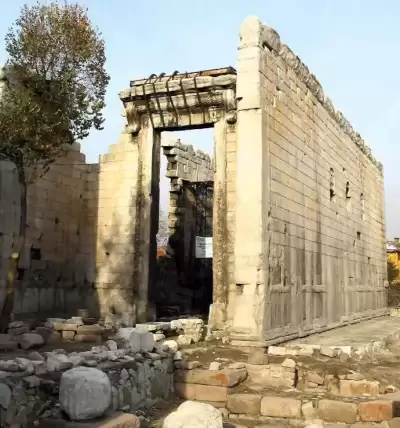
The most striking aspect of the structure is its almost adjacent position to the ruins of the Roman-era Temple of Augustus. On one side, early Ottoman architecture; on the other, two-thousand-year-old Roman stones. Visitors say the mosque has a calm, somewhat intimate atmosphere. Some recommend visiting during morning prayer times or when the evening lights are on. There is a silence in the tomb section that everyone talks about. With restoration work, the area has been revitalized and its surroundings landscaped in recent years.
The mosque is still actively open for worship, so entering during prayer times might require a bit of waiting. Around it are narrow streets, old Ankara houses, and small book and souvenir shops. One should not pass by without exploring the area around the mosque. Reaching it on foot requires some stairs and uphill walking, but the distance is short for those coming from Ulus.
Related discoveries: Historical Places, Ankara historical places, PTT Stamp Museum.
Guide's Note

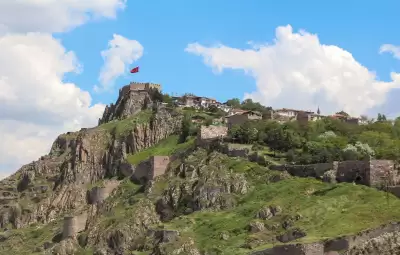
Hacı Bayram-ı Velî Mosque, located in the center of Ankara, offers panoramic views of a part of the city and Ankara Castle thanks to its slightly elevated position. Visitors highlight the mosque's historical texture and spiritual atmosphere; it is emphasized as an important stop not only for worshippers but also for cultural heritage enthusiasts.
In terms of transportation, it is easily accessible from central locations via dolmuş and bus options. It is noted that the number of visitors has significantly increased in recent years, making the area much more crowded compared to the past.
However, some points highlighted by visitors include:
- It is stated that beggars are numerous at the entrance to the square and on nearby roads, entry into the courtyard is partially prevented, but the problem persists in alternative spots like the covered parking route.
- The surrounding roads are narrow and transportation is insufficient, which can cause problems during crowded visiting periods.
- Some visitors believe that the general maintenance of the area could be improved.
Best Time to Visit
The mosque is open for visits throughout the day, but entering during prayer times can take a while. Visitors recommend going during morning prayer hours or when the evening lights are on; at these times, the atmosphere of the mosque and tomb feels calmer. Weekends, especially in the afternoon, are crowded; for those who want to explore the surrounding market as well, morning hours are more relaxed.
How to Get There
The mosque is located within the historical fabric of the Ulus district, at the foot of Ankara Castle. It can be reached by any public transport line to Ulus, followed by a walk; everyone can give directions when asked about the mosque in the district. For those going by car, there is a nearby parking lot, but from there, there is a short walk and a slight uphill climb to the mosque.
How Much Time to Allocate
30-45 minutes is sufficient for just the mosque and tomb. For those who also want to explore the surrounding historic Ankara houses and the streets with book and souvenir shops, it's necessary to consider a little over an hour in total. The ruins of the Temple of Augustus are also right next to it, so they can be included in the same visit.
Suggested Itinerary with Surroundings
The mosque gains meaning when explored not just alone, but with its surroundings. The tomb is in the courtyard, integrated with the mosque; immediately after, one can proceed to the ruins of the Temple of Augustus. Walking through the narrow streets of Ulus, stopping at book and souvenir shops, and seeing the historic Ankara houses is a natural continuation of the visit. Ankara Castle is also within walking distance and can be added to the itinerary on the same day.
Things to Note Before Visiting
The mosque is an active place of worship, so visits may be somewhat restricted during prayer times. It is useful for women to carry a headscarf; quiet and respectful behavior is required when entering and exiting. There is parking, but the last part to the mosque is on foot, so comfortable shoes should be preferred.
Good Spots for Photos
Angles where the mosque can be seen in the same frame as the ruins of the Temple of Augustus are particularly interesting. The juxtaposition of Ottoman and Roman periods provides a unique photographic composition. When the evening lights come on, the mosque facade becomes clearer, and photos taken at this time stand out.
Connection Between the Tomb and the Mosque
Hacı Bayram-ı Velî was the founder of the Bayramiyye order. His tomb is in the mosque's courtyard, forming almost a single entity with the structure. Most visitors proceed to the tomb after seeing the mosque, specifically emphasizing the silence and sense of reverence there. According to most visitors, passing by without visiting the tomb makes for an incomplete visit.
FAQ
Hacı Bayram-ı Velî Mosque videos load when you open this section to keep the page fast.
Updated: